Shorts
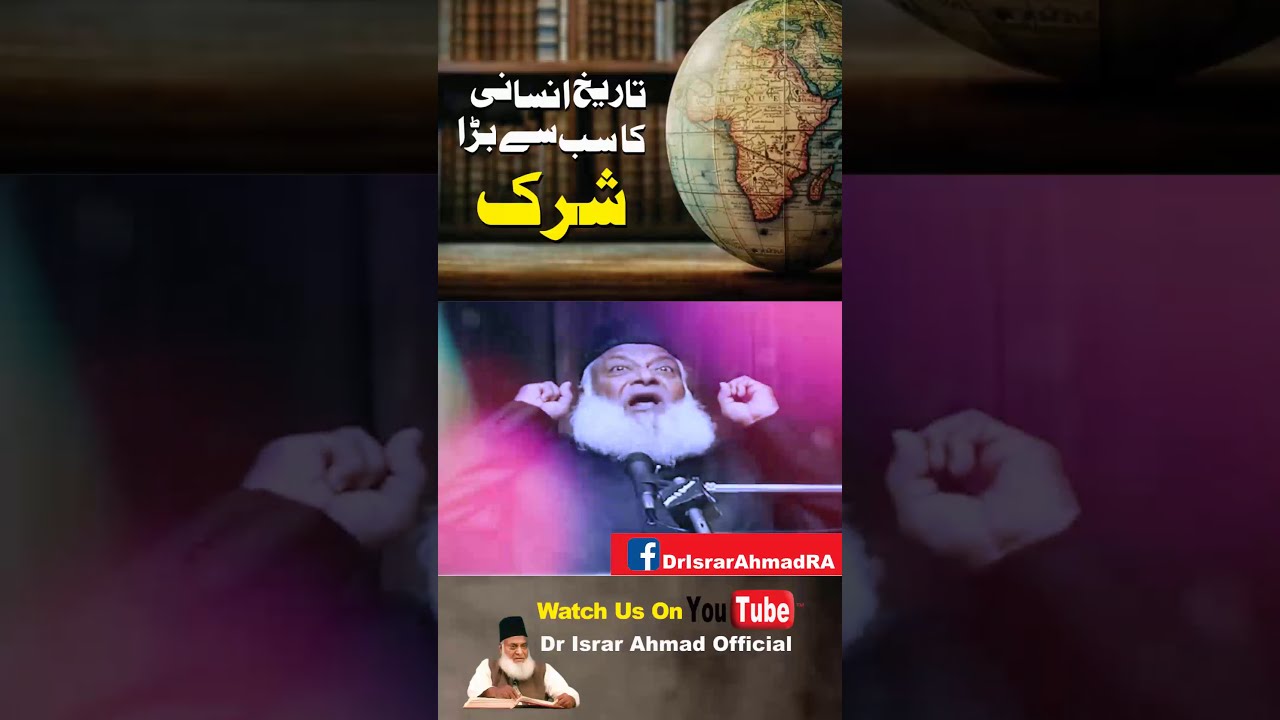
The establishment of the Caliphate signifies the sovereignty of God and the end of human rule, which is considered the greatest form of idolatry. Until the Caliphate is re-established, shirk (associating partners with God) persists through human governance. True worship will only be possible when divine authority replaces earthly dominion, eliminating the foundation of shirk and establishing pure devotion to God.

238

Islamic law grants men the right to initiate divorce independently, while women’s options are more limited. Women can seek divorce through negotiation, offering compensation, appealing to a court, or requesting intervention from family elders if they face injustice or incompatibility. However, a woman cannot unilaterally initiate divorce as a man can. The lecture clarifies this disparity within the framework of Islamic jurisprudence.
128

The speaker addresses a concern raised by his wife regarding his beard. He clarifies that growing a beard is a commandment of the Prophet Muhammad, following the practice of all prophets. He emphasizes the Prophet’s directive to trim the mustache and grow the beard, urging adherence to this sunnah with the expectation that acceptance will follow gradually. The discussion highlights the religious significance of beard growth as an act of obedience and a means of aligning oneself with the traditions of the prophets.
75

This lecture explores the Prophet Muhammad’s (peace be upon him) acknowledgement of uncertainty regarding the timing of divine victory. The Quranic verses cited reveal that even the Prophet did not know whether the promised events were imminent or distant. This highlights a crucial understanding: knowledge of the unseen rests solely with God. The lecture emphasizes that such knowledge is not granted to even the most revered messengers, and that uncertainty about the future is a natural human condition. The verses also suggest that trials and tribulations may be part of the divine plan, serving as both tests and opportunities for growth. The core message is acceptance of divine will and a focus on present action rather than speculation about the future.
45
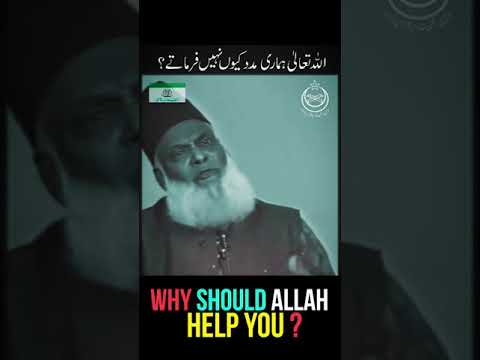
This lecture emphasizes a reciprocal relationship with God. True acceptance of prayers hinges on actively aiding God's cause and distancing oneself from those who defy Him. Divine assistance isn’t granted to those aligned with rebellion against God. Becoming a true servant of God guarantees His support, but allegiance to others while seeking divine favor is inconsistent. This is a two-way commitment, not a one-sided expectation. Support from God is earned through unwavering devotion and righteous action.
53

This lecture emphasizes adhering to the traditional Islamic method of marriage ceremonies, rooted in the practices of the Prophet Muhammad and his companions. It warns against incorporating innovations or customs not supported by authentic Islamic sources. The speaker stresses the importance of simplicity and rejecting practices that deviate from the established Sunnah, advocating for a return to the original, pure form of the marriage contract and celebration. Any social work related to marriage should align with these principles.
275
