Shorts
The word ‘Sawm’ (fasting) fundamentally means to abstain or stop. This encompasses ceasing from eating and drinking, halting speech, or even pausing physical activity. The Quranic verse from Surah Maryam references a vow of abstinence. Historically, ‘Sawm’ in pre-Islamic Arabian society denoted refraining from desires, including sexual activity. It also described a horse standing perfectly still. The term was adopted by the Quran to define the act of fasting as a form of worship, signifying a complete cessation of bodily needs and worldly distractions. It’s a comprehensive cessation, not merely from food and drink, but from all impulsive desires and worldly engagements.

86
This lecture emphasizes that true service to humanity lies in saving people from the torment of hellfire, rooted in the belief that the afterlife is the true existence. It highlights that indifference to the suffering of others, particularly their spiritual peril, demonstrates a lack of compassion. The core message is that preventing someone from entering hell is the greatest act of service, especially if one is aware of the consequences of disbelief. Genuine faith necessitates actively guiding others towards salvation and alleviating their spiritual hunger.
86
A lack of trust between spouses erodes the foundation of marriage and family. If a husband doubts his wife's fidelity or vice versa, it distracts from their connection and weakens their bond. Similarly, paternity concerns destabilize the entire family unit. Maintaining strong sexual attraction within the marriage—focused solely between husband and wife—is crucial for reinforcing this fundamental institution and ensuring its stability. This lecture emphasizes the vital role of mutual trust and focused intimacy in preserving the family structure.
57
This lecture clarifies the obligation to make up missed fasts (qaza) due to illness or other valid reasons. It distinguishes between those who are medically unable to fast and those who are capable, emphasizing that healthy individuals must fulfill their obligation by fasting. The discussion also covers the permissible form of compensation (fidyah) for those with permanent, incurable illnesses or conditions where fasting poses a significant health risk. It details that providing a meal to a needy person can serve as fidyah in specific cases, but is not a substitute for fasting when one is able.
127
This lecture addresses the Islamic perspective on disciplining adult children. It clarifies that physical violence against adult offspring is prohibited. The speaker emphasizes that the root cause of disobedience often lies in a lack of religious upbringing during childhood. Establishing consistent prayer habits and good character in children from a young age is presented as preventative measure. Alternatives to physical punishment include emotional distance, ending contact, and addressing the underlying causes of the child's behavior. The discussion stresses that proper guidance during formative years is crucial for preventing future issues.
53
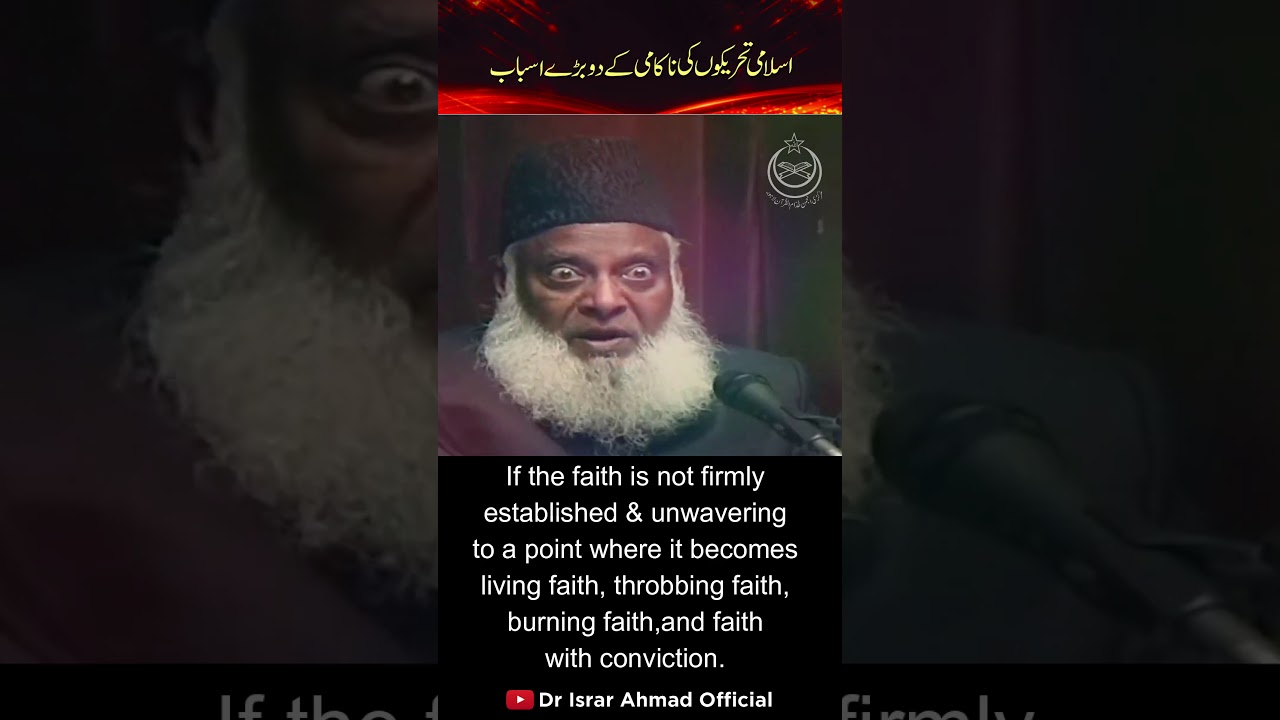
The failure of these movements stems from a focus on the structure of Islam rather than the core of faith. Islam is a building founded upon the bedrock of *iman* (faith); without a strong foundation of faith, these movements cannot succeed. Furthermore, the methodologies employed were borrowed from flawed ideologies – bureaucracy, communism, socialism, fascism, and guerilla warfare – instead of the prophetic model of Muhammad (peace be upon him). These two errors led to the ultimate failure of these movements.
68
