短裤

This lecture discusses the severe consequences of hypocrisy and seeking recognition for acts of worship. It highlights that genuine devotion is motivated by sincerity to God, not by the desire for worldly praise. The speaker explains that individuals who perform good deeds with the intention of gaining recognition will receive no reward in the afterlife. The lecture emphasizes the importance of inner faith and the distinction between actions performed for God's pleasure and those performed for public acclaim. It also addresses the dangers of ostentation in charity and the importance of pure intention. Ultimately, the message is a warning against superficial religious practice and a call for genuine piety. The speaker stresses that only God knows the true state of one's heart.

46

Dr. Israr Ahmad delineates the distinct yet complementary roles of Allama Iqbal and Quaid-e-Azam in the creation of Pakistan. He emphasizes that Iqbal was the visionary and philosopher who conceived the idea of a separate homeland, while Quaid-e-Azam was the architect and founder who materialized that vision into reality. Iqbal focused on conceptualizing the nation through thought and imagination, while Quaid-e-Azam concentrated on the practicalities of building and establishing it. The lecture highlights the importance of recognizing this difference in their contributions.
53

True prayer requires a conscious awareness of standing before God. The speaker explains that a spiritually dormant soul hinders genuine connection during prayer. A soul that is suppressed, crushed, or dead cannot facilitate a meaningful dialogue with the Divine. Even if one observes all the rituals of prayer – the five daily prayers, adopting a pious appearance – these acts are ineffective without a revived, communicative spirit. The speaker emphasizes that a connection with the Divine is established through the awakening of the soul and a direct, heartfelt conversation with God.
46
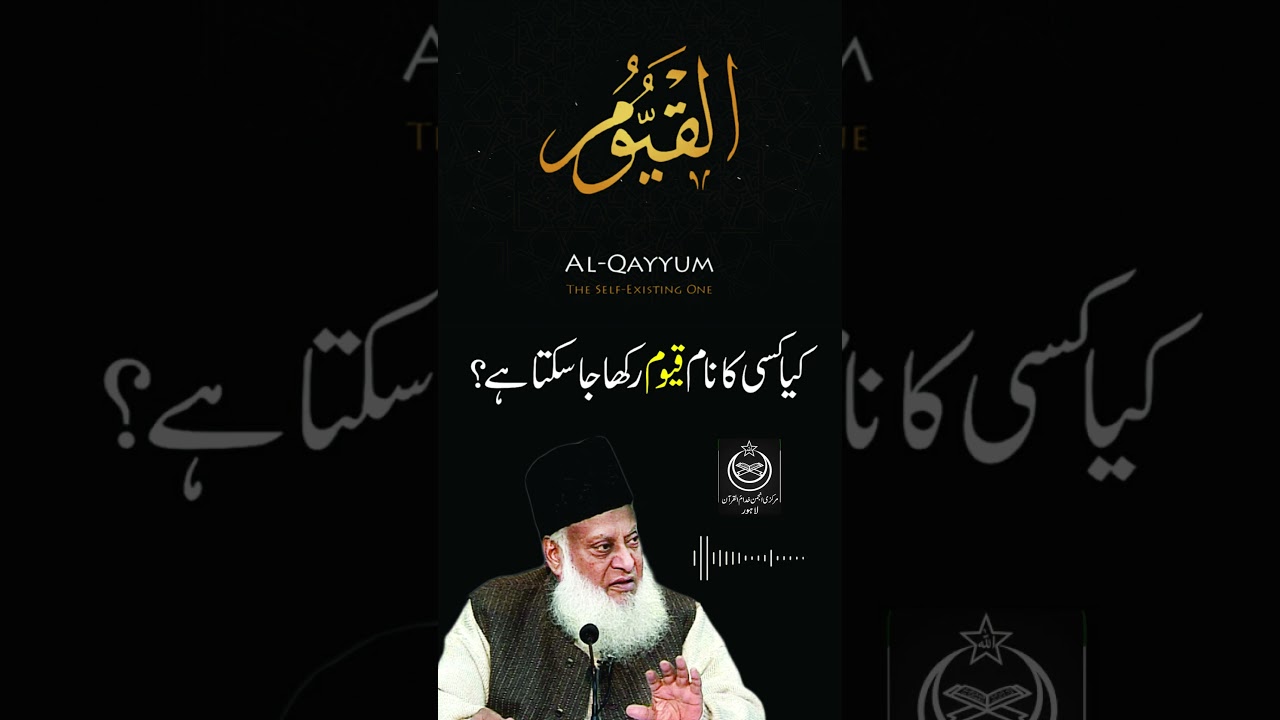
The lecture clarifies the meanings of Al-Hayy (The Ever-Living) and Al-Qayyum (The Sustainer). While 'Hayy' describes life applicable to all beings, 'Al-Hayy' specifically denotes Allah. Similarly, 'Qayyum' signifies one who establishes and maintains, but 'Al-Qayyum' is exclusive to Allah. Attributing 'Al-Qayyum' to anyone else is inappropriate. The discussion explains how using 'Abd Al-Hayy' and 'Abd Al-Qayyum' is acceptable as it acknowledges servitude to the Divine, while simply ‘Hayy’ or ‘Qayyum’ used as a name implies a claim of divine attribute.
50
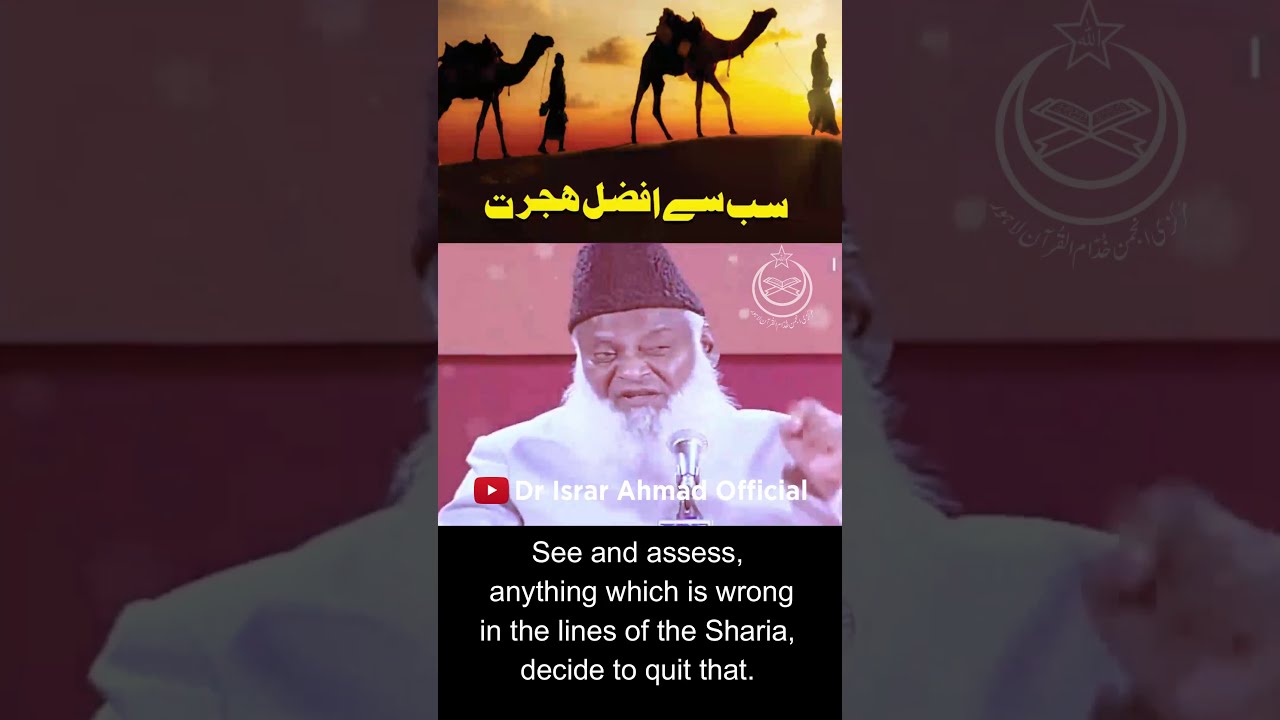
The Prophet Muhammad (peace be upon him) was asked about the most virtuous form of migration. He responded by emphasizing the abandonment of everything displeasing to God. This necessitates a self-assessment to identify and eliminate harmful practices and beliefs, aligning one's life with the spirit of Islamic law. This is the true beginning of migration – an internal purification and commitment to righteous conduct.
68
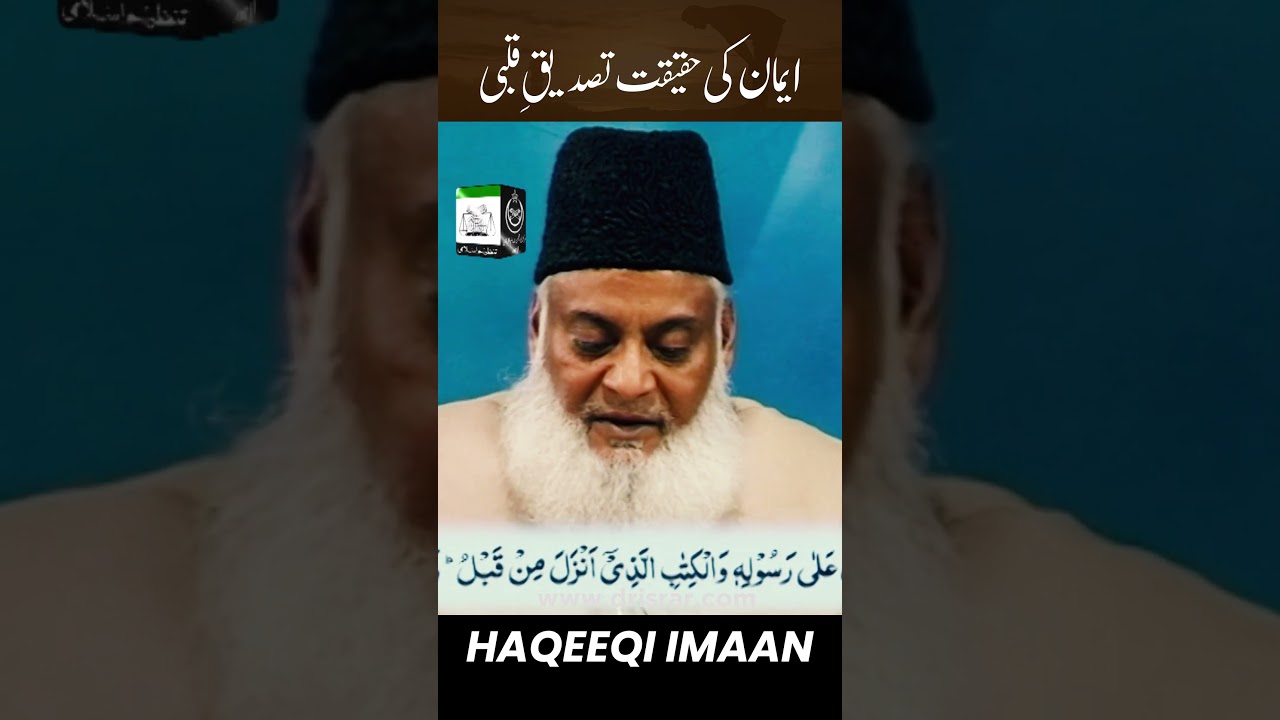
The text discusses the true nature of faith, emphasizing that genuine belief requires both verbal affirmation and sincere conviction of the heart. It contrasts this with the hypocrisy of those who profess faith but lack inner belief. The passage highlights the importance of believing in God, His angels, His books, His messengers, and the Day of Judgement. Rejecting any of these constitutes profound error and leads to severe spiritual deviation. True faith encompasses complete acceptance of divine guidance and the consequences of belief or disbelief.
46
