Shorts

This lecture explores the concept of *talaawat* beyond mere recitation, emphasizing its true meaning as actively following the Quran's guidance. The speaker explains how beginners often rely on physical aids like fingers to maintain focus while reading. True *talaawat*, however, involves making the Quran one’s leader, adhering to its principles, and seeking its light. This entails complete submission and following its path, as expressed in the prayer for the Quran to be an Imam, a source of light, guidance, and mercy.

53

Umar bin Abd Wud, a renowned Arab warrior and skilled horseman, challenged the Muslims during a siege. He fearlessly crossed the trench surrounding Medina, seeking a worthy opponent. Hazrat Ali (RA) stepped forward, offering Umar bin Abd Wud three opportunities to make a request before engaging in combat. Umar initially demanded the acceptance of Islam, then asked for safe passage, both of which Ali refused. Finally, Umar challenged Ali to a duel. Ali accepted, ultimately defeating and killing Umar bin Abd Wud, demonstrating courage and faith.
80

This lecture explores the concept of divine uniqueness, emphasizing that God is free from any partners, progeny, or need for support. It highlights the attributes of God as the sole sovereign, creator, and sustainer of the universe, deserving of all praise and magnification. The discussion centers on the affirmation of God’s absolute oneness and transcendence, rejecting any form of association or limitation to His divine essence. It underscores the importance of recognizing God's perfect attributes and submitting to His will.
54

This lecture explains the collective responsibility of the Muslim community to propagate the message of Islam, building upon the prophetic mission. It emphasizes that after the finality of prophethood, this duty falls upon the entire Ummah. The core message is to first reconnect with faith and then extend its invitation to family, close relatives, and ultimately, all of humanity. The lecture highlights the importance of a collective strength within the Ummah to effectively convey the message and protect themselves and others from divine punishment. It stresses the need to prioritize personal and familial faith before extending outreach to a wider audience, echoing the Quranic instruction to warn close relatives first.
51
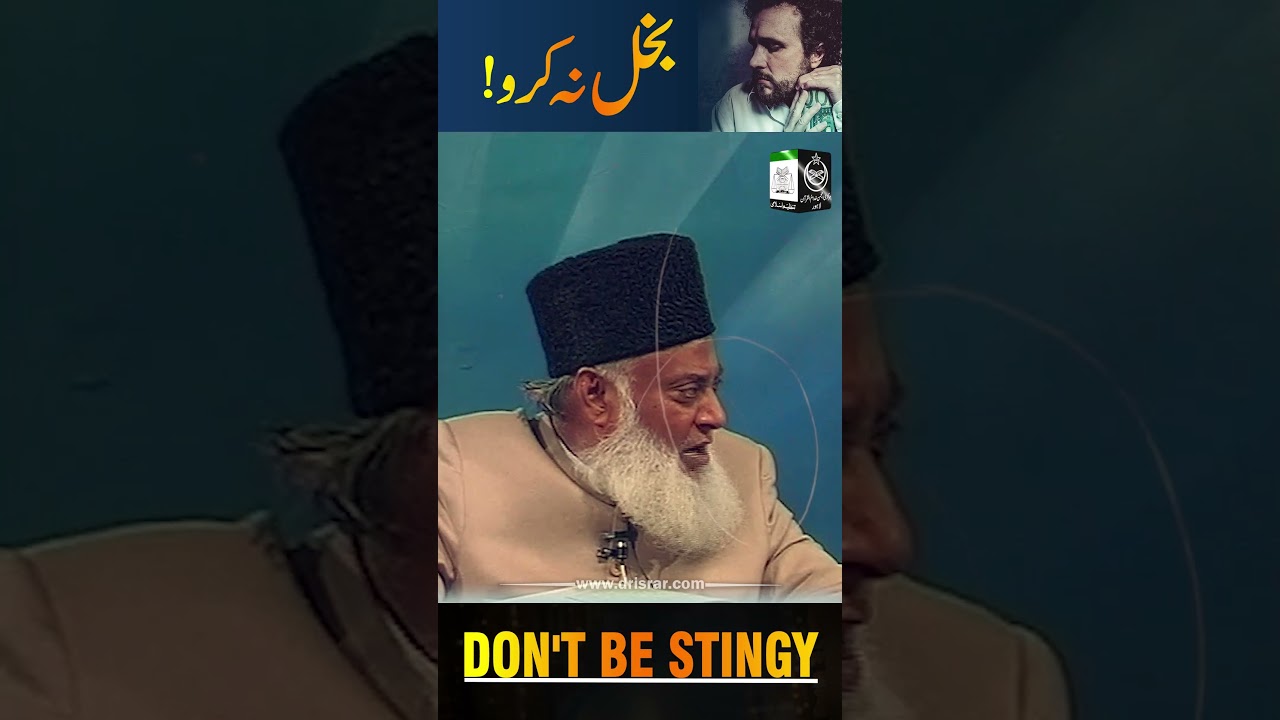
This lecture explores the negative characteristics of arrogance and miserliness, highlighting their spiritual and societal harms. It details how pride often stems from a fear of losing wealth and status, leading to stinginess and discouraging generosity. The lecture further explains how individuals consumed by these traits not only hoard their possessions but also encourage others to do the same, fearing criticism for spending. Ultimately, it warns of the severe consequences awaiting those who persist in these behaviors, emphasizing the importance of humility and generosity as virtues pleasing to God.
62
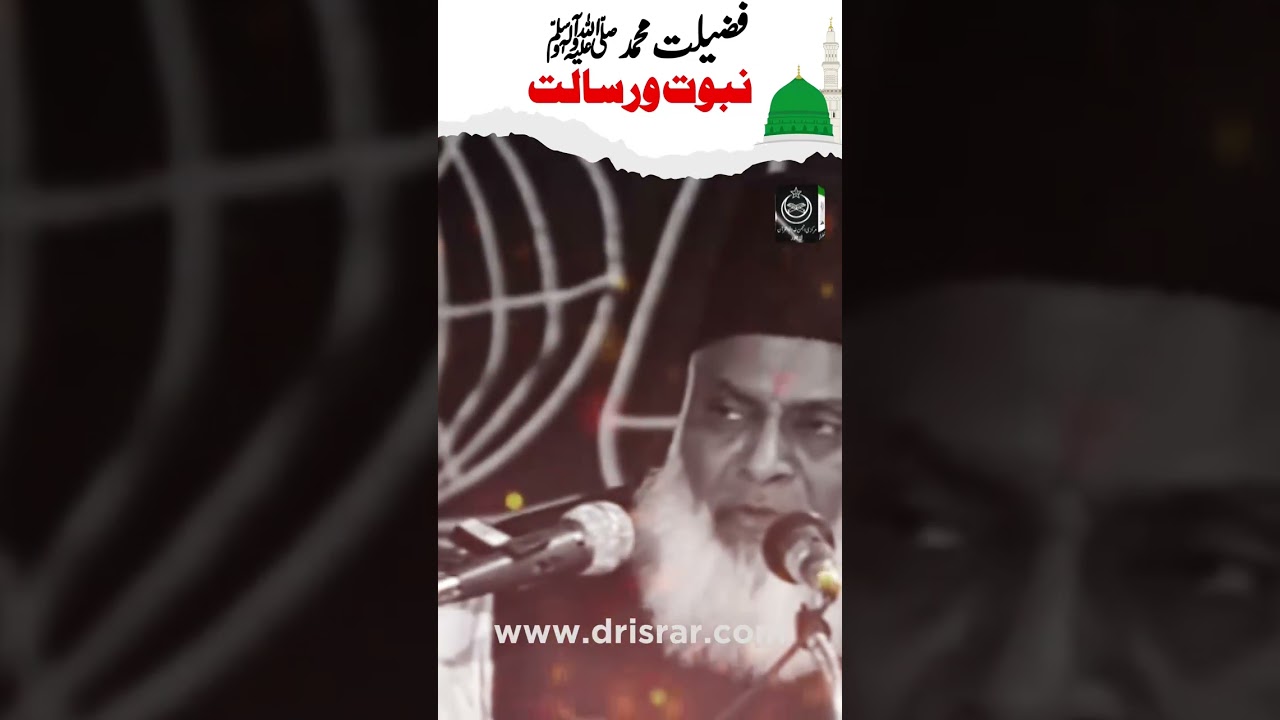
Prophethood and Messengership progressed gradually, reaching their peak and culminating in completion. This fulfillment of the mission and perfection of prophecy forms the foundation of Muhammad’s excellence. The greatest manifestation of the completion of Messengership is that no other messenger achieved the dominance of God’s religion through their call, propagation, organization, struggle, and striving—except Muhammad, the Messenger of God. Every prophet was a caller, a proclaimer, a teacher, and a guide. However, Muhammad, the Messenger of God, was not merely a caller, a proclaimer, a witness, a bearer of glad tidings, an exemplar, or a caller to God, but the one who actually established God’s religion.
53
