Shorts
This lecture emphasizes dedicating one’s God-given eloquence and knowledge solely to the explanation and propagation of the Quran. It cautions against utilizing these gifts for personal financial gain or worldly pursuits. The speaker highlights that the best among people are those who learn and teach the Quran, understanding and conveying its message to others. True benefit lies in seeking and sharing religious knowledge.

380

This lecture emphasizes the importance of self-assessment and maximizing one’s potential. It asserts that individuals often underestimate their capabilities and fail to fully utilize their inherent talents. The speaker stresses that true potential cannot be determined without diligent effort and self-exploration. Responsibility for unrealized potential lies with the individual. While humans readily exert themselves for worldly pursuits, they frequently lack the same dedication to spiritual growth, resulting in a decline in faith. Genuine progress requires relentless effort and honesty with oneself; self-deception yields no benefit. The lecture calls for greater dedication to spiritual development than is given to material gains.
49

True goodness originates from faith, manifesting as sincere intention and the pursuit of Allah’s pleasure. This involves acting with love for God and ensuring actions are righteous and beneficial. The most prominent expression of goodness is selfless service to humanity, driven by compassion. This includes prioritizing support for family, orphans, the poor, travelers, those in need, and freeing the oppressed. Good deeds are not merely for worldly reward, but for eternal recompense.
56

This lecture details the events leading up to the creation of Pakistan. It highlights Jinnah’s initial stance of a ten-year unified India with three zones, the opposition from Gandhi who believed Pakistan’s formation depended solely on his consent, and the British government’s animosity towards Italy. The lecture also recounts Maulana Hussain Ahmed Madani’s prediction, made during Ramadan 1946, that the decision for Pakistan's establishment had been finalized within the Majlis-e-A'la. It emphasizes the historical context and key figures involved in the Pakistan Movement.
61
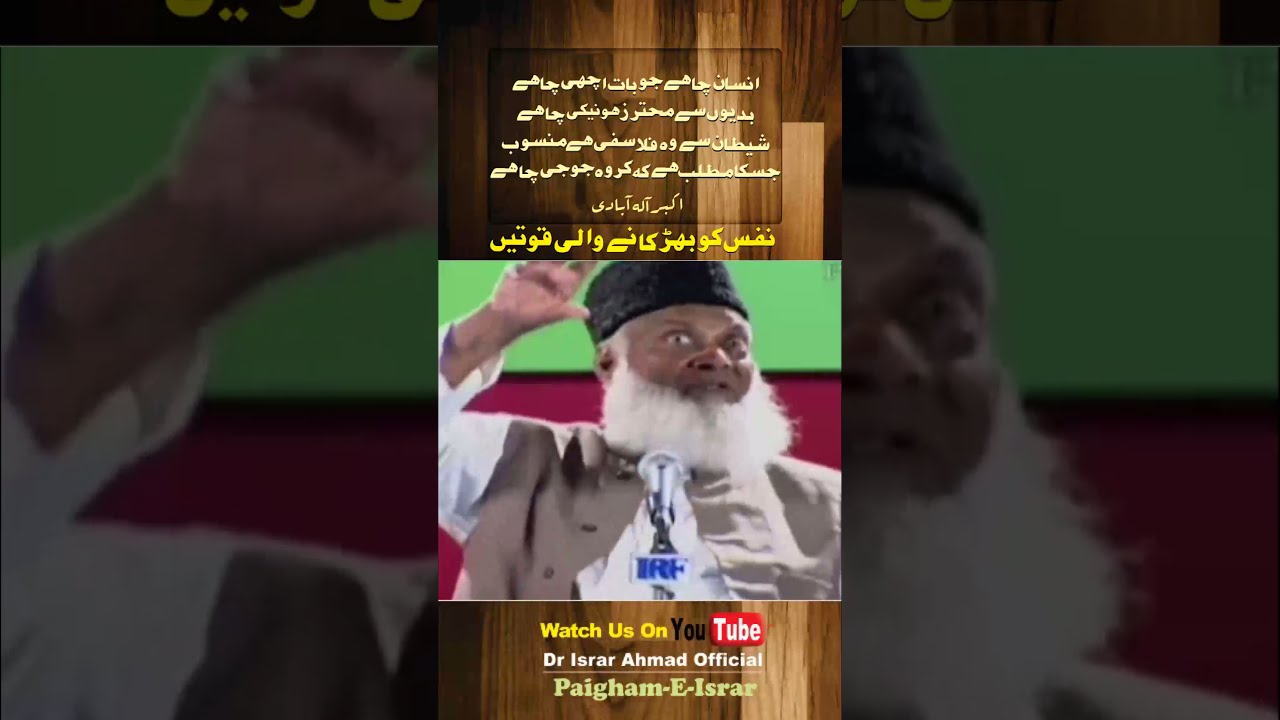
This lecture discusses the internal and external forces that incite the ego (nafs) to evil. It identifies both invisible forces—Satan and his jinn followers—and visible agents among humans who promote immorality as culture. The speaker emphasizes the necessity of actively resisting these pressures and recognizing Satan as an enemy to protect oneself from corruption and maintain spiritual integrity. Succumbing to these influences leads to spiritual decline and moral degradation. The core message is a call to vigilance and proactive opposition against all forms of evil.
56
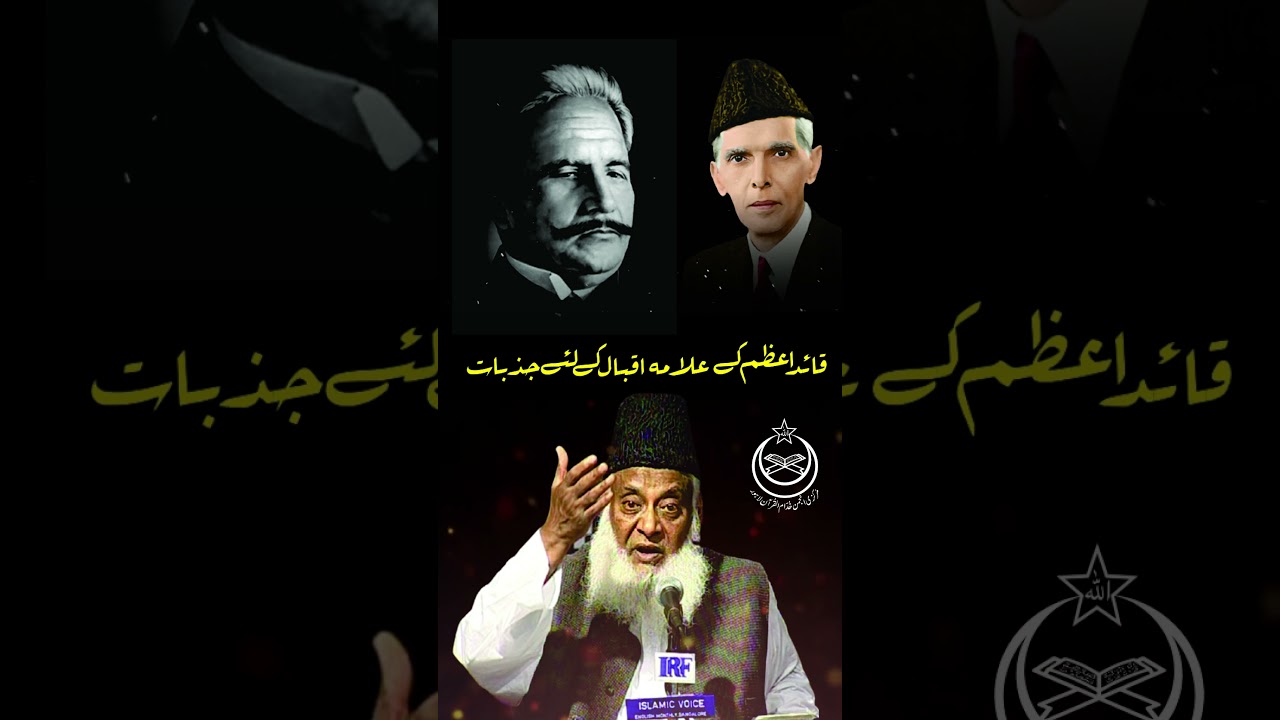
This lecture discusses the precise and deliberate manner of speech employed by Muhammad Ali Jinnah. It highlights that Jinnah was not one to engage in frivolous talk, but rather carefully considered each word before speaking. The speaker emphasizes Jinnah's commitment to accuracy and thoughtfulness in his communication, contrasting it with superficial rhetoric.
67
