Shorts

The Quran was revealed over a period of twenty-two years, equivalent to approximately 610-632 CE. The initial revelations were short verses, with many of the shortest surahs appearing first. The revelation occurred gradually, piece by piece. The commonly stated twenty-three-year period refers to the lunar calendar, while modern understanding often relies on the solar calendar.

71
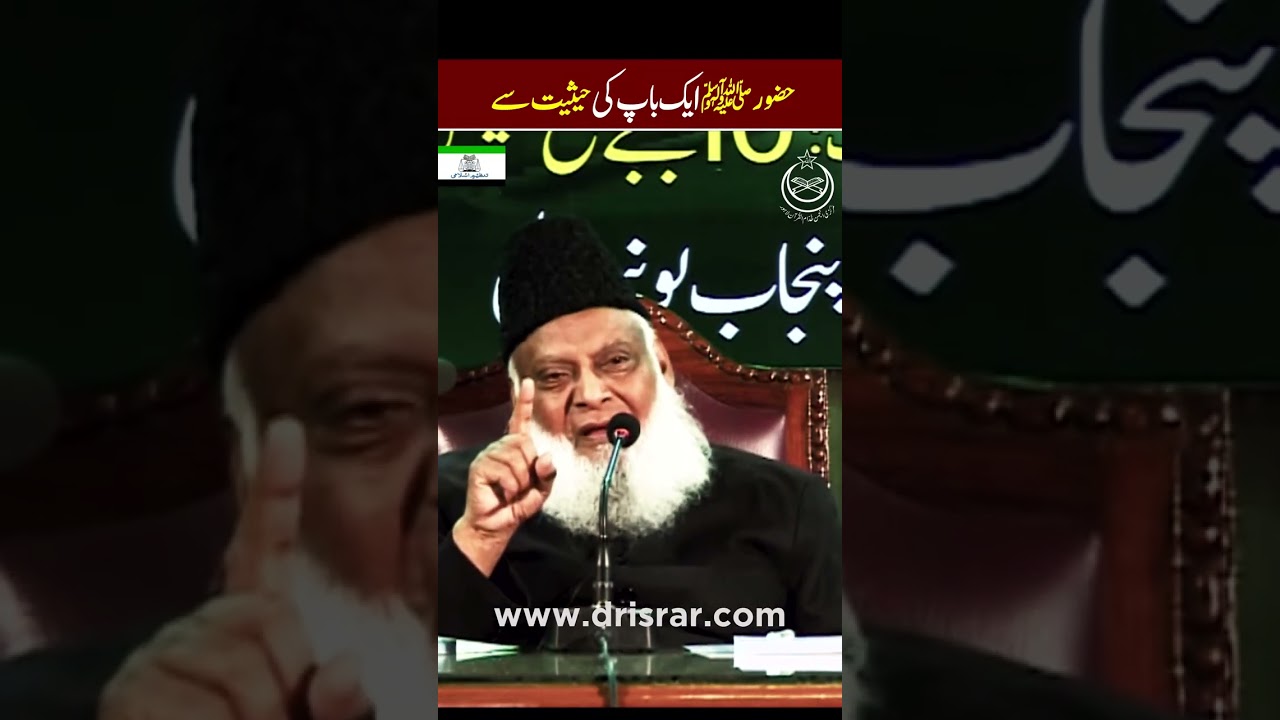
This lecture explores the life of Hazrat Fatima, the daughter of Prophet Muhammad (peace be upon him), highlighting her sacrifices, devotion, and the hardships she endured. It delves into her relationship with her father, her role as a mother, and the challenges faced by the early Muslims. The speaker emphasizes Fatima’s piety, patience, and her exemplary character as a role model for all believers. The discussion also touches upon the material possessions and worldly comforts, contrasting them with spiritual values and the importance of remembrance of Allah after every prayer.
80

Despite over fourteen centuries of diverse interpretations and the geographical spread of Muslims from Indonesia to Mauritania, the fundamental structure of prayer remains consistent. Differences exist in the interpretation of specific details like the number of rak'ahs, the precise pronunciation of words, and whether to say ‘ameen’ aloud or silently. However, the core ritual – standing, bowing, prostrating, and returning to standing – is universally observed. This unity across various schools of thought – including Shia, Sunni, Barelvi, Deobandi, and Kharijites – demonstrates the blessings of following the Sunnah, ensuring that the congregation remains unbroken despite differences in practice.
47

This lecture details a profound moment of supplication by the Prophet Muhammad (peace be upon him), expressing vulnerability and seeking divine assistance amidst adversity. The Prophet articulates his powerlessness, the humiliation faced, and the feeling of being abandoned to his enemies. He then humbly submits to God’s will, stating that he has no concern even if it means divine displeasure, as long as God’s decree is accepted. The lecture emphasizes complete surrender and trust in God's plan, even in the face of hardship and perceived injustice. It highlights the essence of *'ubudiyyat* (servitude) and accepting whatever comes from the Divine Source.
47

The Quran was not revealed all at once, but gradually over a period of time. This approach served multiple purposes. It allowed people to comprehend and internalize the teachings progressively, fostering deeper understanding and personal transformation. The gradual revelation accommodated the capacity of the audience, ensuring they could reflect upon and integrate the message into their lives. This method facilitated a lasting impact on their intellect, mindset, and overall character. The Quranic verse (Surah Bani Israel 106) explicitly states this intentional fragmentation to aid in recitation and comprehension.
41

This lecture emphasizes the transient nature of worldly life and the importance of preparing for the afterlife. It highlights that life in this world is merely a temporary diversion, like a game or play, and true life resides in the hereafter. The speaker stresses that the passage of time feels incredibly swift, akin to a few hours when viewed from the perspective of eternity. A firm belief in this reality should empower individuals to face trials and tribulations with resilience, knowing that death is an inevitable journey toward union with the Beloved – Allah. The lecture encourages a joyful acceptance of death as the lifting of a veil separating us from our ultimate home and true happiness.
52
