निकर
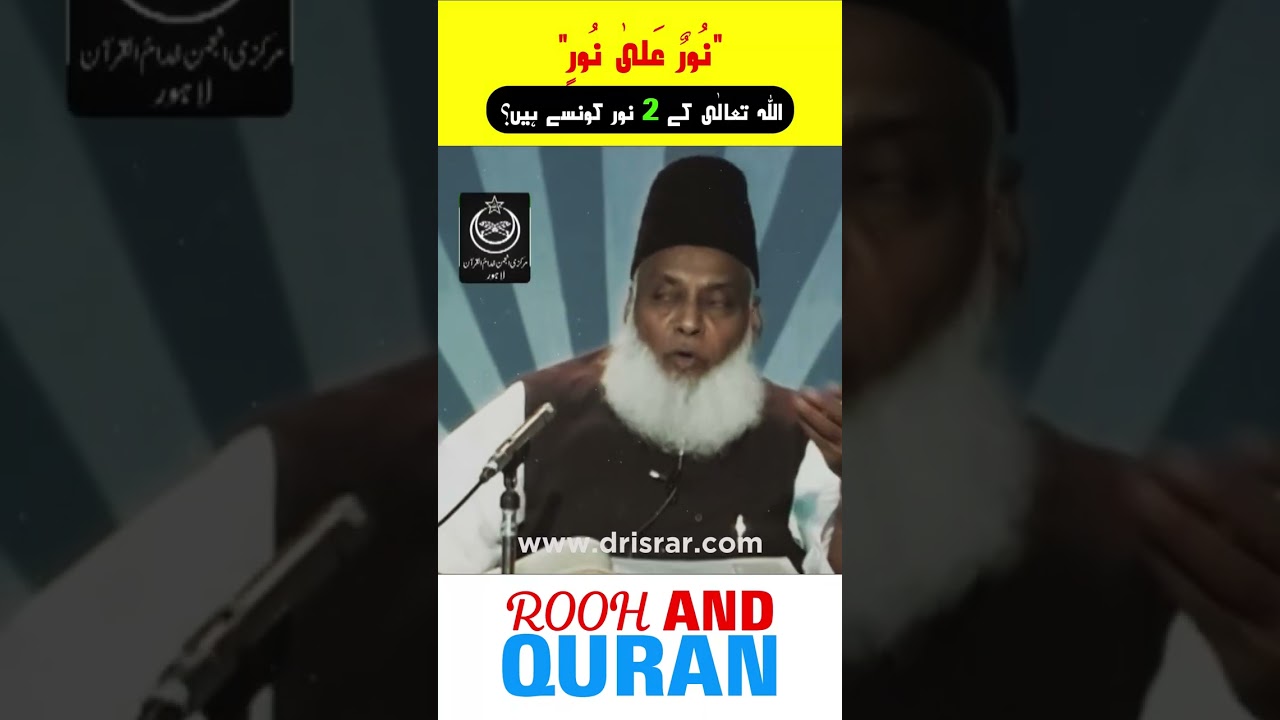
This lecture explores the concept of *noor* (light) as inherent within the human heart and soul, predating the revelation of the Quran. The Quranic light, upon its descent, awakens and activates this pre-existing inner illumination. This process is exemplified in the Prophet Muhammad’s life, where the Quran served as a catalyst for his inherent spiritual capacity. The Quran is presented as a divine guide, empowering the Prophet to lead humanity towards righteousness. The lecture emphasizes the transformative power of the Quran in illuminating the inner self and guiding others towards the straight path.

65
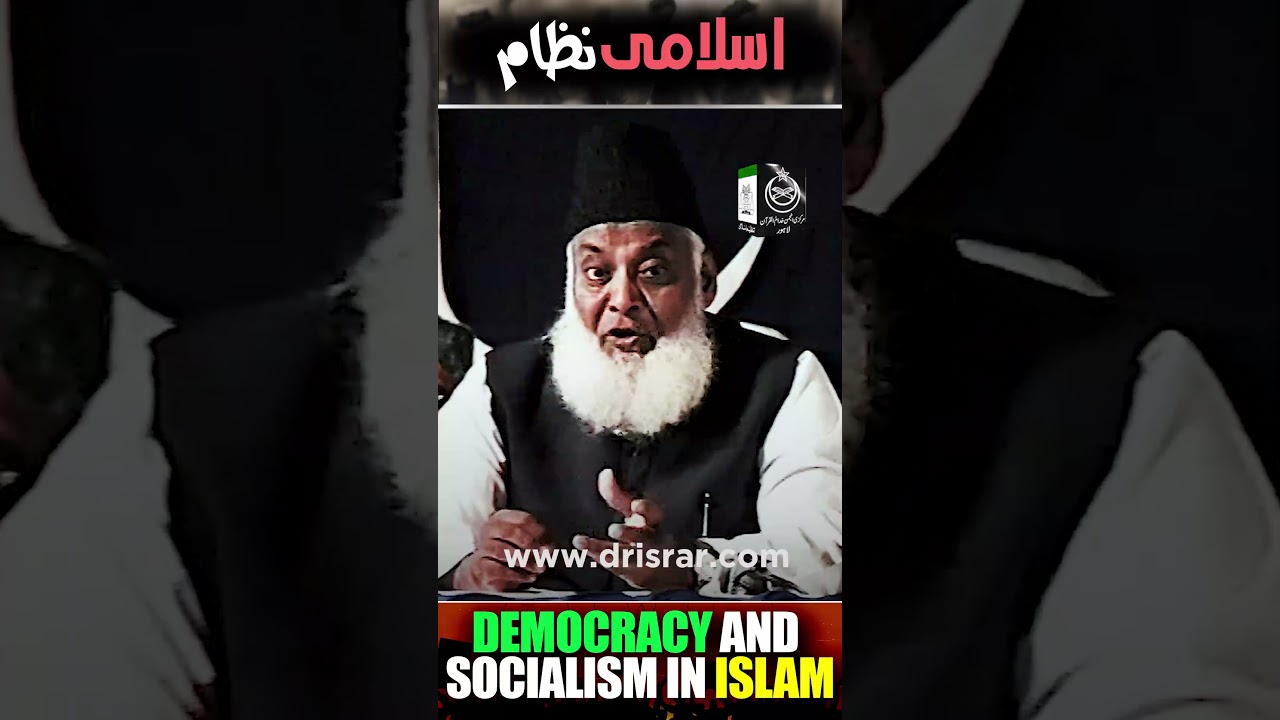
Islam is a complete way of life and cannot accommodate elements from other systems. The speaker argues against the integration of modern democracy and socialism into Islam, asserting that Islam possesses its own inherent democratic and socialist principles rooted in its teachings and jurisprudence. He points to the presence of the term ‘jumhoor’ (the public) in Islamic texts as evidence of Islam’s democratic foundation, and the concept of ‘shirkat’ (partnership) as its socialist basis. Islam’s system is comprehensive and self-sufficient, rejecting external ideological grafting.
56
This lecture explores a sermon from Nahj al-Balagha emphasizing the significance of faith and accountability. The speaker highlights the transient nature of life and the inevitability of judgment. The sermon stresses that life is fleeting, comparable to a nightly sleep, followed by reckoning for one’s actions. The ultimate consequences are either eternal reward in paradise or enduring punishment in hell. The core message is a call to recognize the seriousness of faith and the accountability for all deeds.
83
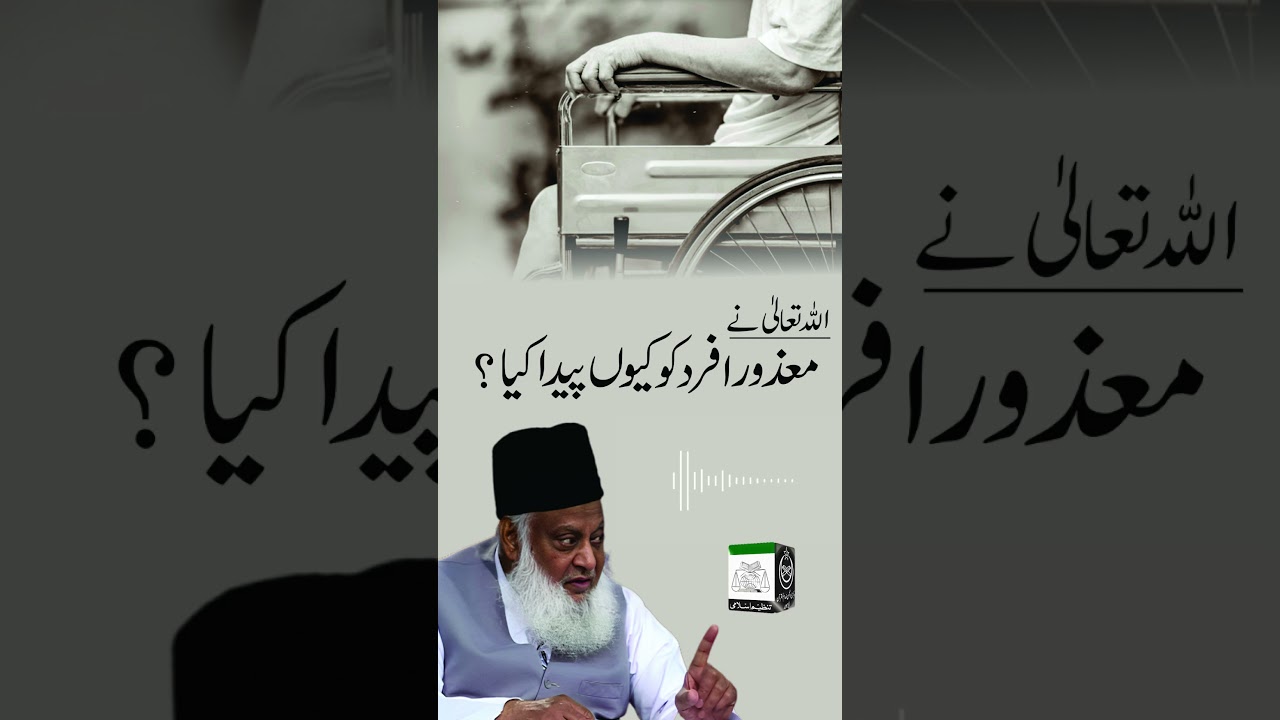
This lecture addresses the challenges faced by individuals with disabilities, specifically blindness, and offers a theological perspective on hardship and divine justice. It posits that life's difficulties are not punishments but tests, and that full compensation will be provided in the afterlife. The speaker argues that limitations do not negate success, as individuals will be judged based on their capacity and effort. The focus shifts from worldly outcomes to the eternal reward, framing current struggles as a temporary phase within a larger, eternal context. Success isn't measured by worldly achievements but by striving within one's limitations. The speaker emphasizes that the true life exists in the hereafter.
55
This lecture discusses the human tendency to form opinions and suspicions about others. It emphasizes that forming negative judgments without concrete evidence is harmful and unjust. While doubt itself is not inherently bad, it should prompt caution and careful consideration rather than immediate negative action. The speaker stresses the importance of avoiding pre-judgment and treating others with fairness, even when suspicions arise. Caution and thoughtful evaluation are preferable to hasty, unjust decisions.
58
This lecture emphasizes that prayer (dua) is the core of worship. God hears and responds to every sincere call, irrespective of the supplicant’s location or posture. God accepts prayers offered from any place, whether at home or elsewhere, and responds to those who turn to Him with devotion. The essence of faith lies in maintaining a constant connection with God through heartfelt supplication.
64
