Pantalones cortos
The text defines Qiyam ul Layl, or the night prayer, according to the Quran, specifically referencing Surah Al-Muzzammil. It clarifies that Qiyam doesn’t necessitate praying the entire night but can be fulfilled by praying for at least one-third of the night. The Quran acknowledges that the Prophet Muhammad and a group of his followers observed this practice, praying for varying durations – one-third, half, or two-thirds of the night. The verse highlights Allah's awareness of the Prophet’s devotion and the dedication of those who join him in this nightly worship. The minimum duration for fulfilling Qiyam, according to the interpretation, is one-third of the night.

167
This lecture explores the concept of unwavering commitment to a goal, even in the face of difficulty. It emphasizes that true progress requires consistent effort and striving, not complacency. The speaker highlights that a firm resolve, coupled with persistent struggle, is essential for achieving spiritual and worldly success. The text draws a parallel between a 'firm promise' (pakka wada) and the necessary exertion to fulfill it, suggesting that without dedicated struggle, even a strong commitment remains unrealized. It further connects this principle to the broader context of realizing divine unity and the eventual flourishing of existence.
61

The speaker clarifies the distinction between legitimate leasing (ijara) and purchases financed through interest (riba). Leasing involves renting an asset for a specified period, with the renter paying a monthly fee and covering operational costs. In contrast, an interest-based purchase involves financing the full price of an asset over time, accruing interest on the outstanding amount. The speaker emphasizes that financing a purchase with interest, even if labeled differently, constitutes riba and is prohibited. Legitimate leasing does not involve any form of interest or profit on the asset itself, only a rental fee for its use. The discussion highlights that changing the label of an interest-based transaction does not alter its fundamentally prohibited nature.
71
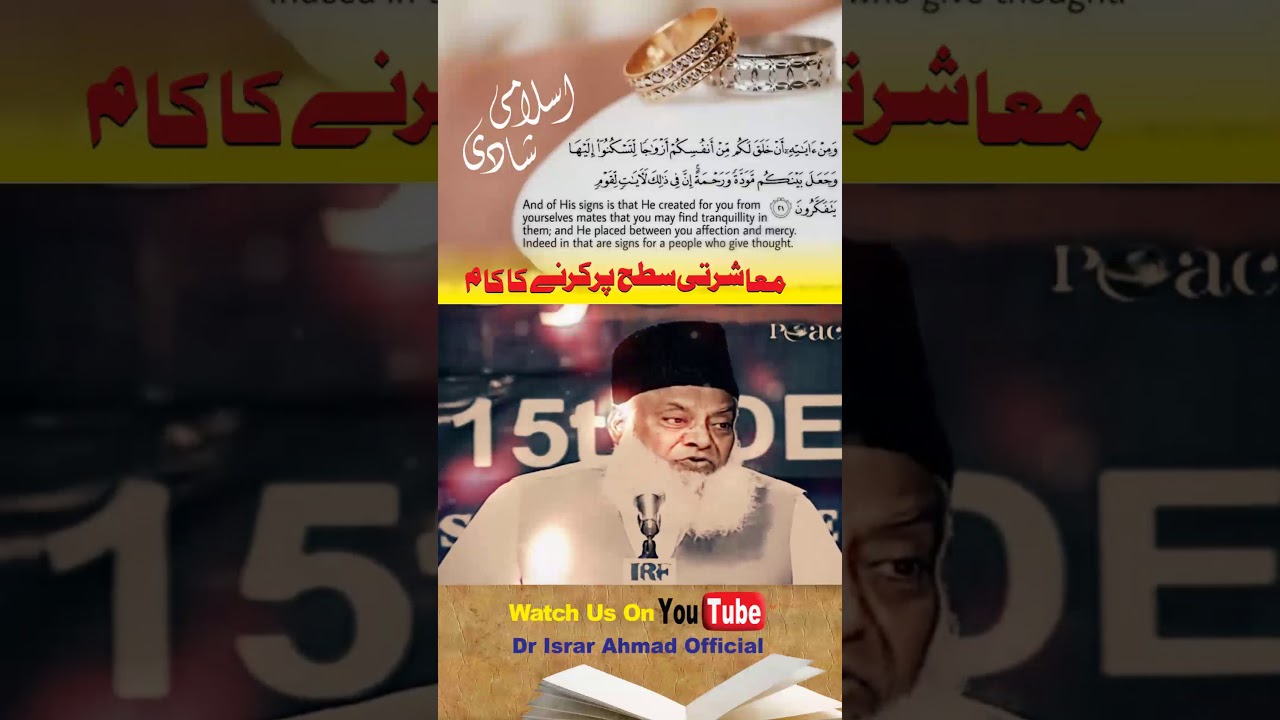
This lecture emphasizes adhering to the traditional Islamic method of marriage ceremonies, rooted in the practices of the Prophet Muhammad and his companions. It warns against incorporating innovations or customs not supported by authentic Islamic sources. The speaker stresses the importance of simplicity and rejecting practices that deviate from the established Sunnah, advocating for a return to the original, pure form of the marriage contract and celebration. Any social work related to marriage should align with these principles.
275
This lecture discusses the acceptance of repentance (tawbah) in extreme circumstances, such as terminal illness or imminent death. It clarifies that the door of repentance remains open until the final moments of life, but genuine repentance requires sincere, heartfelt emotion, not merely ritualistic recitation. The speaker emphasizes that denying someone the opportunity for repentance is inappropriate, as the Prophet Muhammad (peace be upon him) indicated its availability until death. The discussion also touches on the consequence of entering a state of unconsciousness, suggesting it may preclude the opportunity for repentance.
68
Dr. Israr Ahmad discusses the Islamic ruling on property dealers charging fees from both the buyer and seller, or from both landlord and tenant. He asserts that taking fees from both sides is *haram* (forbidden). The dealer should only take a commission from one party to incentivize securing the best possible deal for that client, whether a lower rental price or a better sale price. This approach ensures fairness and ethical conduct in property transactions.
83
