ショーツ

This lecture clarifies the conditions for sincere repentance (tawbah) and its implications regarding past sins. It explains that genuine repentance, marked by remorse and a commitment to abstain from sin, leads to Allah's forgiveness. Regarding missed prayers, the speaker suggests making up for them as if they were voluntary prayers (nawafil). For rights violated against others, repentance requires seeking forgiveness from the wronged, compensation, or facing consequences in the afterlife, with potential recompense through good deeds or bearing the burden of sins. Complete and valid repentance serves as expiation for all sins.

55
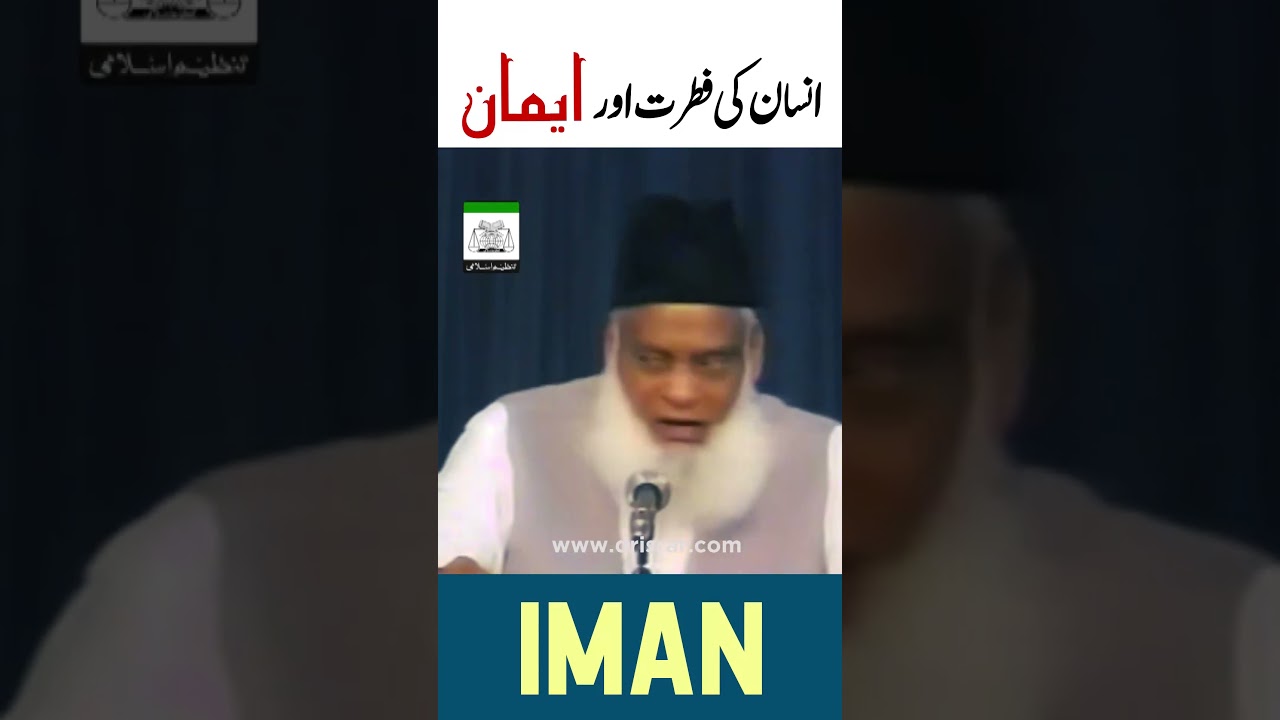
Faith is not merely an external practice, but an inherent connection to the Divine residing within each individual. The universe, from the earth to the heavens, serves as a constant reminder of God’s existence, power, knowledge, and wisdom. Introspection reveals this divine presence within the soul, a direct link to the Creator. Recognizing this inherent faith requires observation of the natural world and deep self-reflection. This connection is a natural part of human nature, a promise fulfilled through recognizing God’s signs in creation and within oneself.
32

This lecture clarifies the permissibility of continuing to eat and drink until the white thread of dawn becomes distinctly separate from the black thread of night. It addresses excessive caution observed by some regarding the timing of *suhoor*, emphasizing that one can complete their meal even after the call to prayer. The speaker explains that the period of fasting begins at sunset and ends with the start of a new day, and that strict adherence to precise timing isn’t necessary, citing the Prophet’s allowance for finishing a drink even after the *azaan*. The emphasis is on the blessing in consuming the pre-dawn meal and avoiding unnecessary rigidity in its observance.
65

This lecture explores the life of Prophet Muhammad (peace be upon him) as a comprehensive model for life, emphasizing the struggles and sacrifices made to establish Islam. It highlights the importance of not just following superficial rituals, but embodying the spirit of striving for the dominance of God's religion in all aspects of life. The speaker stresses the need for individual and collective effort, drawing parallels between the Prophet's challenges and the current state of the Muslim community. True devotion lies in aligning one's actions with the Prophet's example, not merely reciting slogans or claiming piety. It’s a call to emulate the Prophet’s relentless dedication to establishing justice, truth, and faith in the world.
94

This lecture discusses the proper method of fasting, emphasizing avoiding unnecessary delay in breaking the fast (iftar) after sunset. It discourages rushing the pre-dawn meal (sehri) and highlights the importance of adhering to established timings. The speaker cautions against self-imposed restrictions and anxieties regarding fasting, urging a balanced approach rooted in piety. The discussion also touches upon the permissibility of eating or drinking during the call to prayer (azaan) before dawn.
117

This lecture explores the human condition as a test between spiritual enlightenment and worldly allure. The metaphor of a moth drawn to a flame represents the soul’s journey. One path leads to divine favor and eternal reward, while the other, captivated by the transient beauty of the world, results in loss. True success lies in prioritizing spiritual truths and the eternal blessings of the afterlife over fleeting worldly pleasures. The core message is a call to self-reflection and a conscious choice towards divine guidance.
80
