Kurze Hose
The Quran provides guidance on two primary levels: intellectual and practical. It addresses fundamental philosophical questions concerning the nature of existence, life, truth, and morality—exploring concepts such as the universe, the meaning of life, knowledge, right and wrong, good and evil. Simultaneously, the Quran offers a comprehensive system of practical directives governing individual and collective life, encompassing religious obligations, ethical guidelines, economic principles, and social norms. This dual approach provides both intellectual understanding and actionable guidance for humanity.

57
True worship begins with obedience, but its essence is love. Obedience is the visible form, while love is the underlying spirit. Complete obedience to Allah involves total submission at all times. The path to Allah's obedience is through obedience to His Messenger, Muhammad (peace be upon him). One must strive to reach a level of devotion where the Prophet is more beloved than one's parents and children, and all of mankind. This devotion is a prerequisite for true faith. Without this level of love for the Prophet, all other actions are meaningless.
47
This lecture explores the concept of aligning one’s life entirely with the will of God. It emphasizes that true devotion involves surrendering all aspects of existence – prayer, sacrifice, life, and death – to the divine. The speaker argues that when life is dedicated to God, it transcends earthly pursuits and becomes a source of spiritual strength. Material means and worldly endeavors should become secondary to this divine connection, and individuals should strive for a life of complete submission and purpose. The ultimate goal is to have one's heart filled with reverence for God.
51
This lecture analyzes the power dynamics within a political system, asserting that media, particularly television, has become a dominant force, exceeding the influence of the traditional fourth estate. It argues that media outlets, especially those controlled by specific interests, shape public opinion and restrict independent thought. The speaker contends that this control effectively holds the nation hostage, dictating beliefs and perspectives. The analysis ultimately suggests a reduction in the pillars of power from four to three – the executive, judiciary, and legislature – due to the manipulative power of modern media.
46
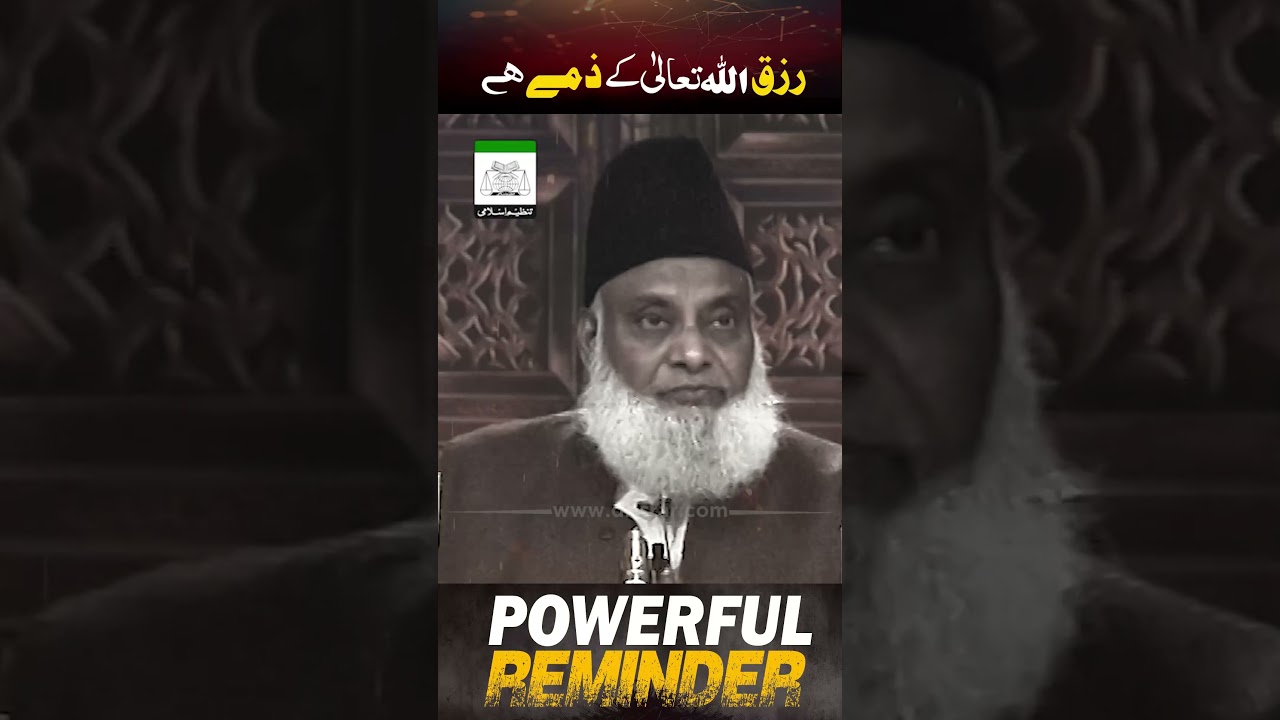
This lecture addresses the grave sin of infanticide, particularly in times of poverty. It emphasizes that sustenance comes from God, not self-reliance, and that He provides for both children and parents. The speaker refutes the justification of killing children due to financial hardship, highlighting God’s provision and wisdom in distributing resources. It's a strong condemnation of this practice, rooted in Islamic teachings, and a reassurance of divine support even in difficult circumstances.
76
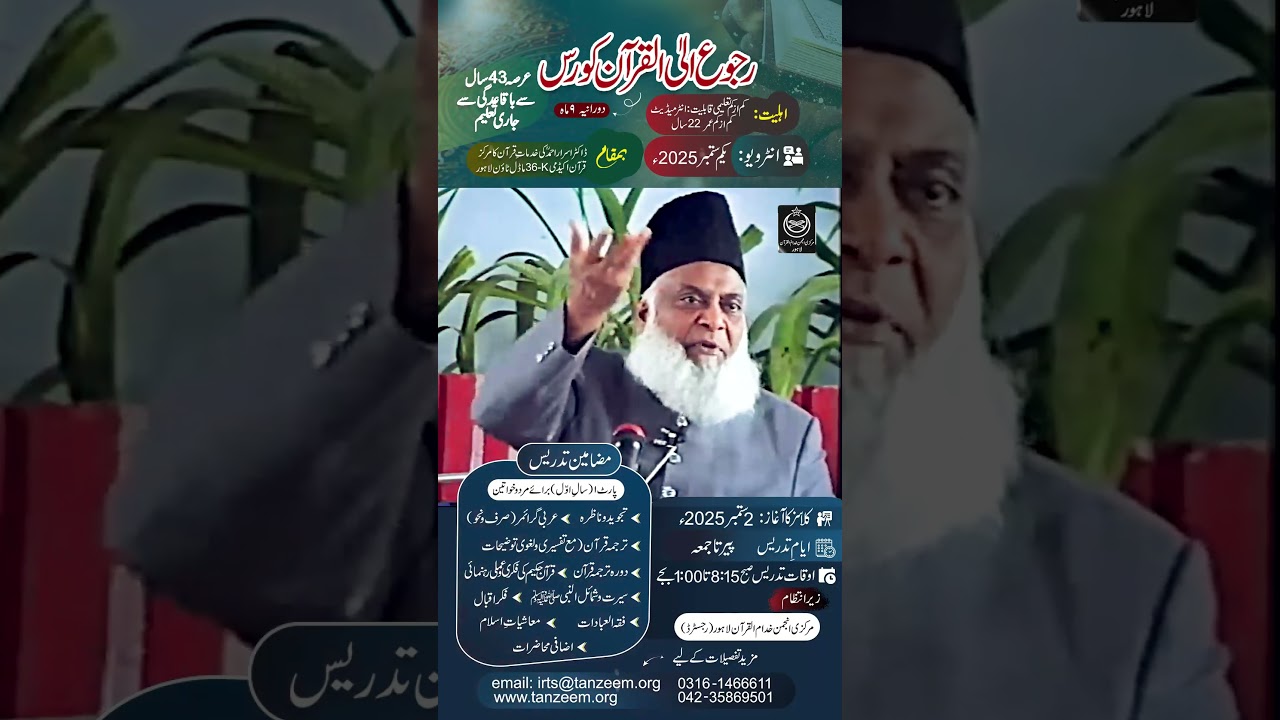
This lecture emphasizes the necessity of personal repentance (tawbah) and its expansion into a collective movement. It urges listeners to prioritize learning Arabic to properly understand and convey the Quran, as the primary medium for inviting others to the faith. The speaker stresses the urgency of life, the potential for unforeseen circumstances, and the importance of dedicating time to religious education and the preparation of a dedicated group (da'i) committed to spreading the message of Islam. He shares his life's dedication to Quranic study, teaching, and the organization of a committed group, viewing this as a vital struggle for the faith. The ultimate goal is the growth of a movement devoted to upholding and propagating Islamic principles.
63
