শর্টস

Abdullah ibn Haris narrates that the Prophet Muhammad (peace be upon him) indicated forces would emerge from the east, establishing a system within an eastern region before launching campaigns. This eastern region encompasses areas like Iran, Afghanistan, Pakistan, and potentially India. A caliphate will be established within this area, sending forces to support the establishment of the Mahdi’s government in the Arabian Peninsula. This lecture explores the geographical indicators associated with the advent of the Mahdi and the preceding conditions for his arrival.

119
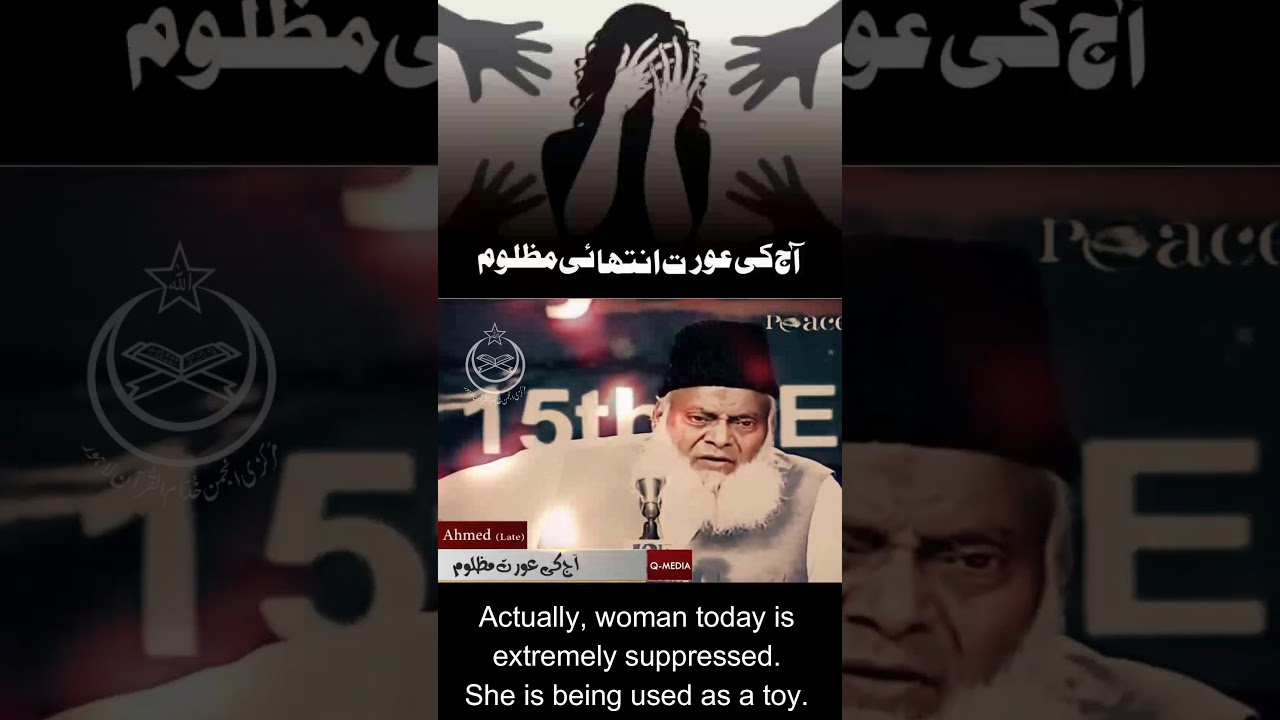
This lecture discusses the plight of women, particularly in Western societies, highlighting the burdens they bear – pregnancy, childbirth, and financial responsibility. It critiques the objectification of women and questions the values of Western civilization, suggesting a concerning trend of exploitation and disregard for their dignity. The speaker emphasizes the need to understand and respect women's true worth and role in society.
100
This lecture clarifies the dangers of associating guardianship (wilaayat) with anyone other than Allah. It explains that basing friendships on expectation of future favors and performing wrong deeds for a friend’s sake, based on the hope of reciprocal help, is a flawed concept. True guardianship belongs to Allah alone; attributing it to others constitutes shirk. The speaker emphasizes that relying on someone's weakness or need for assistance as a basis for a relationship creates a dependency that contradicts the true meaning of devotion to Allah.
56
Worship should ideally be performed for the pleasure of God, though seeking salvation from hell and entry into paradise is also commendable. While avoiding punishment and attaining heaven are positive goals, prioritizing God’s pleasure is superior. It is not wrong to ask for protection from hell and request paradise, as the Prophet Muhammad (peace be upon him) himself made these supplications. However, the ultimate aim should be to seek God’s approval above all else.
67
This lecture details the stages of human development from conception to old age, emphasizing the divine process governing life. It outlines creation from a sperm, its development into an embryo, then a fetus, followed by growth and maturity. The lecture acknowledges that some individuals are taken before reaching full potential, while others experience a decline in cognitive function with age, forgetting what they once knew. It reflects on the cyclical nature of life and the ultimate return to the Divine.
112
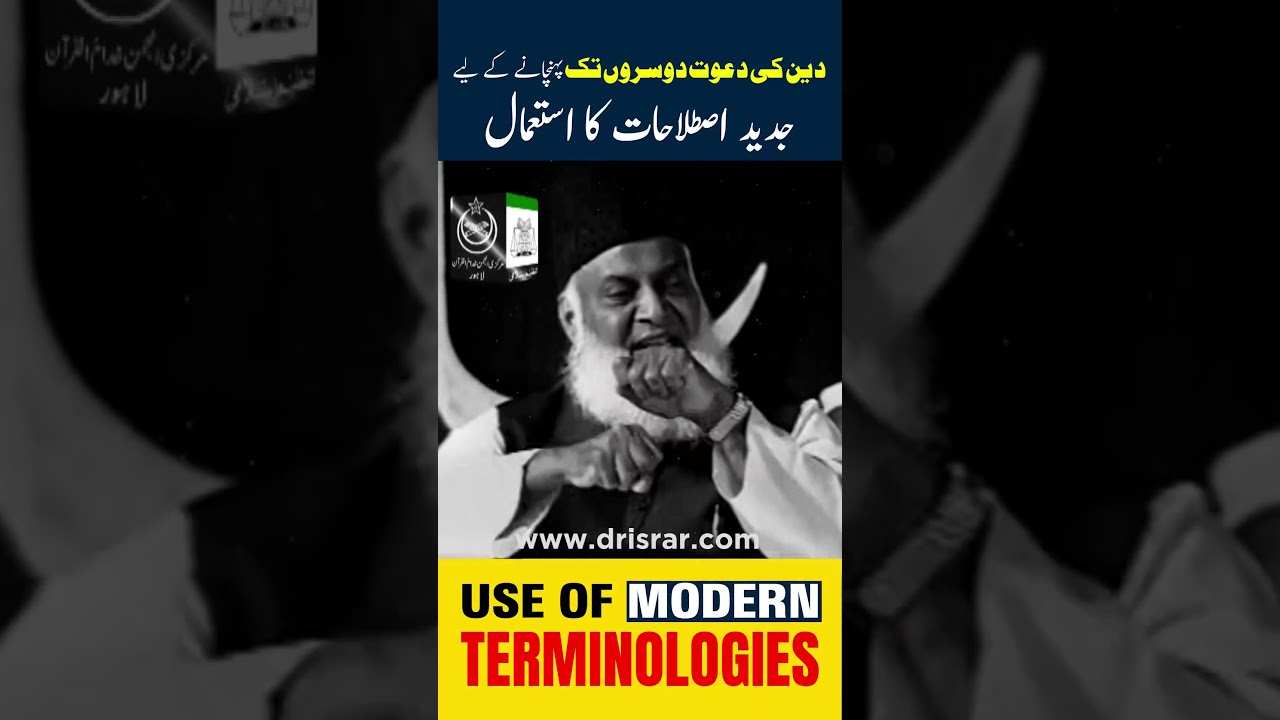
Dr. Israr Ahmad discusses the degree to which adopting modern terminology with Islam is permissible or undesirable. He argues for caution regarding new terms, asserting each carries inherent connotations inseparable from its meaning. However, he acknowledges effective communication requires utilizing contemporary language to reach modern audiences, advocating for a balanced approach – using current terminology for conveyance but avoiding rigid adherence to it.
49
