Korte broek
The text discusses the immense scale of future conflicts, referencing battles and wars described in prophetic traditions. It highlights a catastrophic war, described as ‘The Great Battle,’ characterized by widespread death and destruction. The area most affected will be the Arab world. The text emphasizes the severity of this coming conflict, predicting a level of carnage so extensive that even birds will be unable to find a place to land without stepping on corpses.

91
This lecture explores the meaning of ‘Akbar’ as revealed in the initial verses concerning the prophethood. It emphasizes rising above complacency and recognizing the grandeur of God. The verses urge individuals to abandon their comfort and embrace a life dedicated to proclaiming the truth of resurrection and divine greatness. The core message centers on acknowledging God’s supremacy, establishing a system that reflects that greatness, and actively conveying this message to others. The lecture calls for a complete submission to God and a life lived in recognition of His power and majesty.
59
The term ‘Infaq’ in the Quran differs from general charity. It’s not limited to helping the poor, orphans, or the needy. Infaq specifically refers to spending in the way of Allah – for the propagation, elevation, and establishment of the religion. This spending, considered a loan to Allah, fuels the struggle for Islam's dominance. Supporting relatives is a personal obligation, while investing in the religion is a direct loan to Allah, a debt He Himself acknowledges. This concept distinguishes between familial support and investment in faith.
95
The establishment of the Caliphate signifies the sovereignty of God and the end of human rule, which is considered the greatest form of idolatry. Until the Caliphate is re-established, shirk (associating partners with God) persists through human governance. True worship will only be possible when divine authority replaces earthly dominion, eliminating the foundation of shirk and establishing pure devotion to God.
238
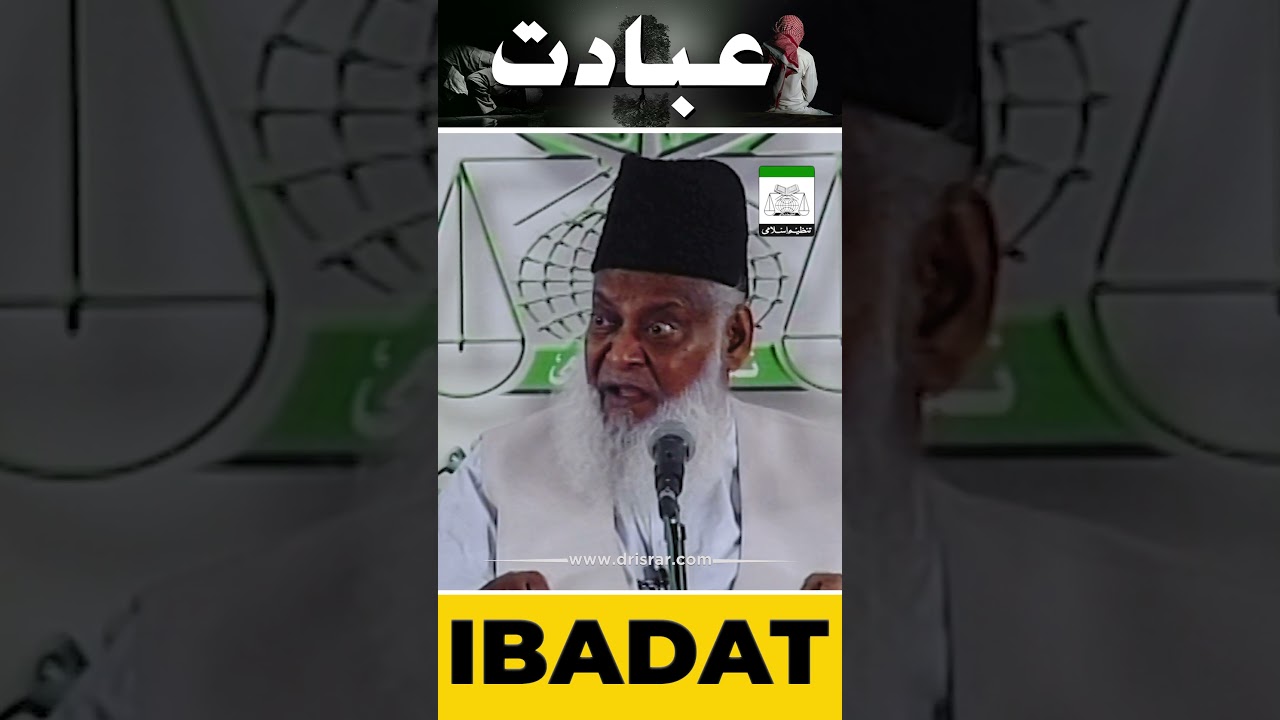
This lecture explains that the essence of all divine commands converges on the single concept of *ibadat* (worship). The speaker references the initial verses of Surah Nuh, where Prophet Noah is instructed to warn his people. The core message is to worship God, practice *taqwa* (righteousness), and obey the prophet. This highlights worship as the fundamental purpose of human existence and the means to avert divine punishment. The lecture emphasizes that true worship encompasses both adherence to divine commands and a sincere devotion to God.
65

This lecture explores the concept of commitment and its manifestation in various agreements, from simple employer-employee contracts to the complex social contract of marriage. It emphasizes that upholding one's commitments isn't contingent on external oversight, but stems from internal integrity and adherence to the terms agreed upon. The speaker highlights the responsibilities within marriage – the husband’s provision of sustenance, shelter, and the wife’s corresponding duties – framing marriage as a solemn social agreement demanding mutual respect and fulfillment of obligations.
47
