Corti
True goodness originates from faith, manifesting as sincere intention and the pursuit of Allah’s pleasure. This involves acting with love for God and ensuring actions are righteous and beneficial. The most prominent expression of goodness is selfless service to humanity, driven by compassion. This includes prioritizing support for family, orphans, the poor, travelers, those in need, and freeing the oppressed. Good deeds are not merely for worldly reward, but for eternal recompense.

67
Iqbal critically analyzes modern ideologies, identifying secularism and nationalism as significant threats—forms of idolatry—to Islamic faith and societal values. He posits that prioritizing the nation-state over faith creates a new form of worship, eclipsing the divine. Iqbal warns that materialism, prevalent in contemporary civilization, further exacerbates this spiritual crisis. He emphasizes the strength of Islam and calls for a return to its principles, urging Muslims to resist these destructive ideologies and uphold their faith. He views the current age as marked by intense emotional fervor and the corruption of religious values.
62
This lecture discusses the potential re-establishment of a caliphate rooted in the principles of the Prophet Muhammad, specifically predicting its emergence in Pakistan and Afghanistan following a potential division of Afghanistan and the integration of Pashtun areas with Pakistan. It posits that the Sindh Valley, as envisioned by Iqbal, will become the center of this caliphate, from which forces will operate. The lecture also addresses the Shia belief in the return of the twelfth Imam, who has been in occultation for over a thousand years, and their expectation of his leadership. It suggests this leader will establish a government and raise armies, while highlighting a perceived lack of strength in Arab nations.
64
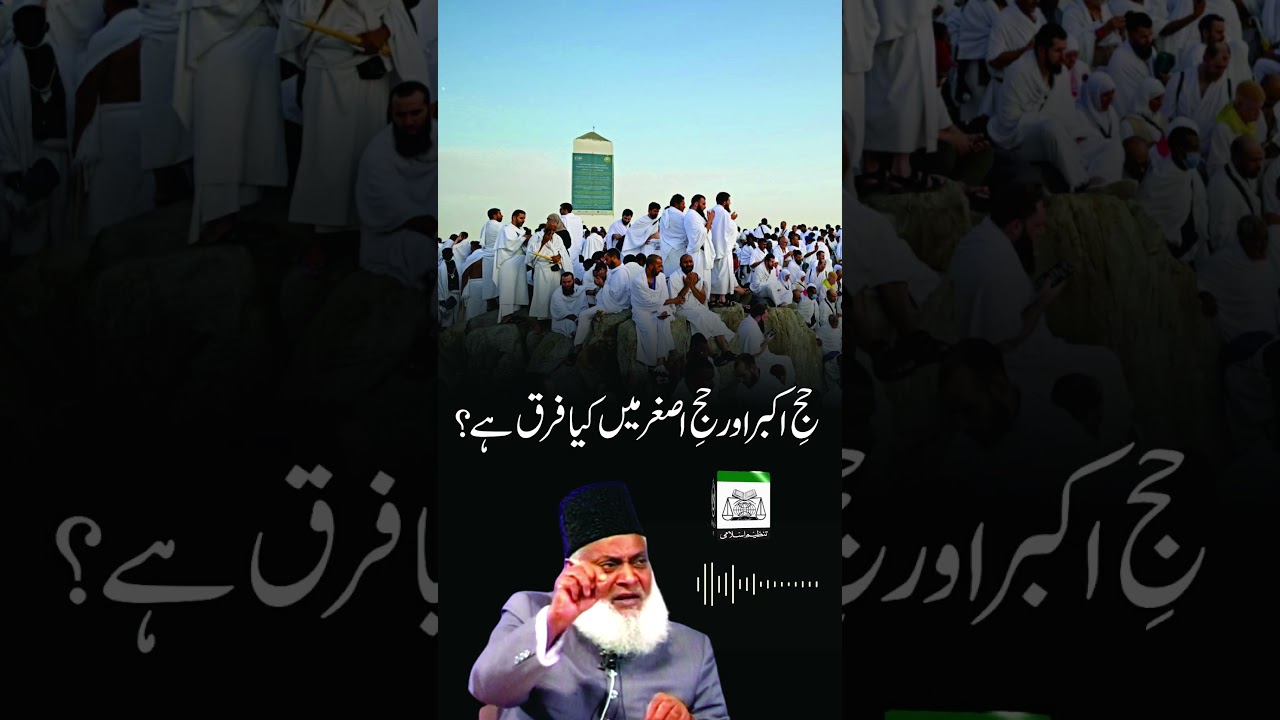
The common misconception that performing Hajj on a Friday is ‘Hajj Akbar’ is inaccurate. Originally, Arabs designated ‘Hajj Asghar’ for Umrah and ‘Hajj Akbar’ for the complete Hajj pilgrimage. The core meaning of ‘Hajj’ is intentional travel or journeying. Therefore, traveling for Umrah also constituted a ‘Hajj,’ albeit a lesser one. The Hajj performed during the designated days in Mecca is considered ‘Hajj Akbar.’ There is no additional merit to performing Hajj specifically on a Friday.
115
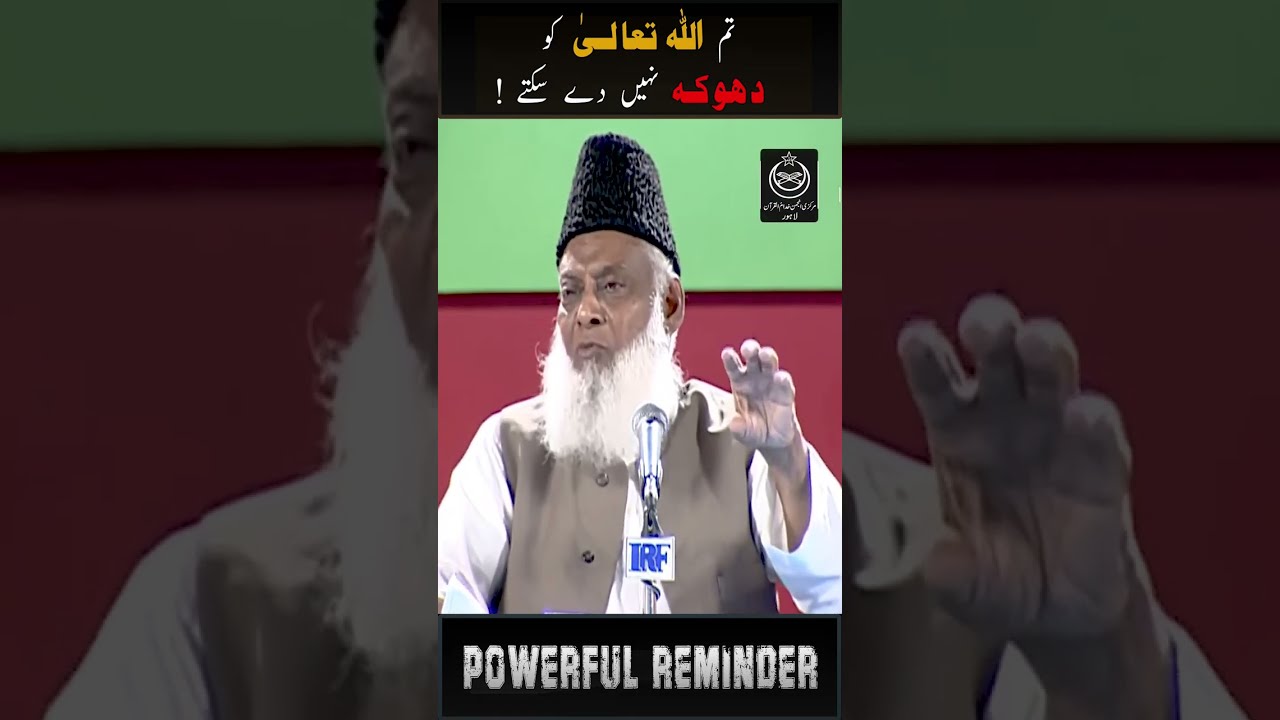
Partial obedience is unacceptable; complete submission to divine commands is required. Selectively following religious dictates, driven by personal inclination, renders all obedience void. The Quran warns against accepting some scriptures while rejecting others, leading to disgrace in this life and severe punishment in the hereafter. Allah sees beyond superficial displays of piety and judges intentions. True devotion requires sincere faith and righteous actions, not merely outward rituals performed with ill-gotten gains. This lecture emphasizes the importance of wholehearted commitment to faith and the consequences of hypocrisy.
53
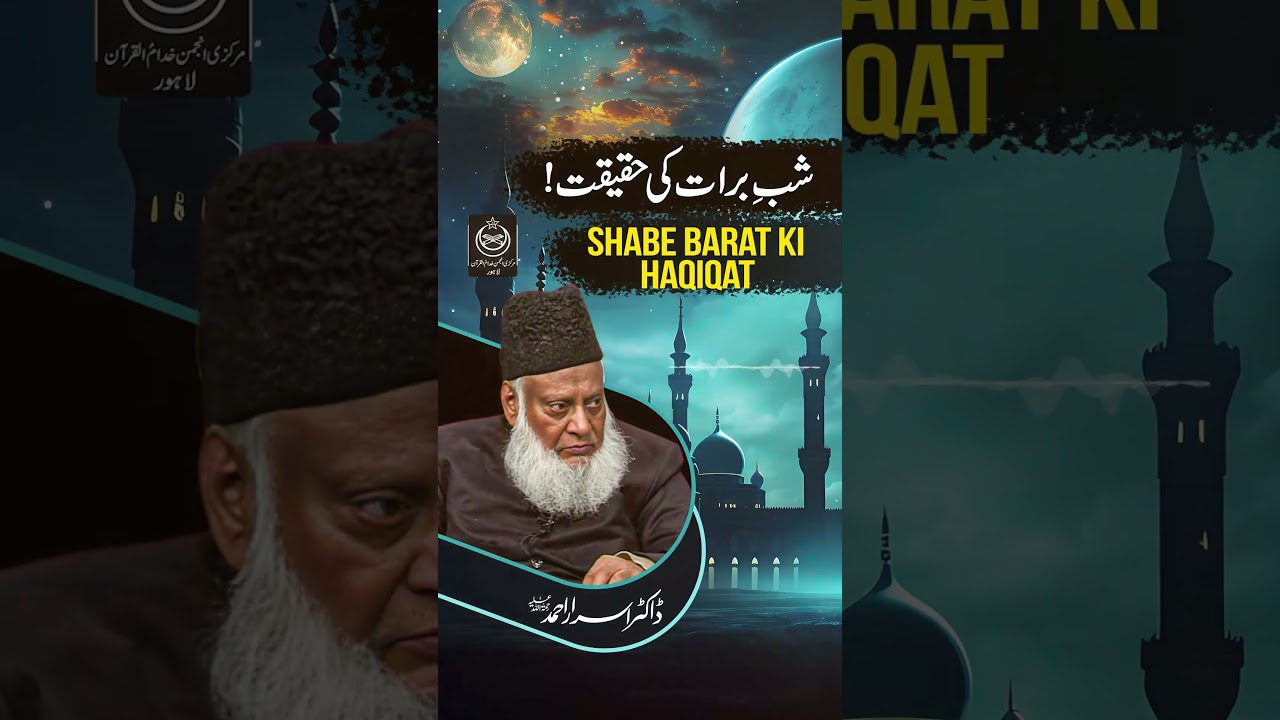
This lecture clarifies the significance of Shab-e-Barat based on authentic hadith. It explains that the Prophet Muhammad (peace be upon him) would visit the Baqi graveyard to seek forgiveness for the deceased. The speaker emphasizes that while night-long worship is virtuous, celebrating with fireworks and imitating Diwali practices are not part of Islamic tradition. Fasting on the 15th of Sha'ban is also discussed, linking it to the Prophet’s regular practice of fasting on the 13th, 14th, and 15th of each lunar month. The core message is to focus on sincere worship, seeking forgiveness, and remembering the deceased.
85
