السراويل القصيرة

True prayer transcends ritual; it’s a direct communion with God achieved when the soul awakens. This lecture emphasizes that merely performing the actions of prayer—recitation and physical movements—is insufficient. Real connection occurs when one feels present before God, experiencing a sense of humility and closeness akin to placing one’s head in God’s lap. If the soul is dormant, oppressed, or dead, genuine prayer cannot occur, regardless of adherence to schedules or outward displays of devotion. Awakening the soul and establishing direct communication with God is the essence of achieving the spiritual elevation that prayer promises.

75

This excerpt emphasizes the Quran as a profound blessing and healing from Allah. It highlights the Quran as a source of guidance, mercy, and a testament to Allah’s grace. The text stresses that true joy should stem from possessing this divine gift, as it surpasses all worldly possessions. It’s a reminder to cherish and internalize the Quran's message for lasting happiness and spiritual fulfillment.
63
This lecture emphasizes the importance of dying in a state of submission to God. It cautions against the dangers of dying while disobeying divine commands, highlighting that repentance may not always be possible before death. The speaker uses examples of individuals who died in states of disobedience, such as intoxication, to illustrate the gravity of the situation. The ultimate message is to live a life of constant vigilance and obedience, ensuring that death finds one in a state of faith and submission. Every moment should be guarded against transgression, and a life dedicated to God’s commands is essential for a peaceful and accepted death.
71
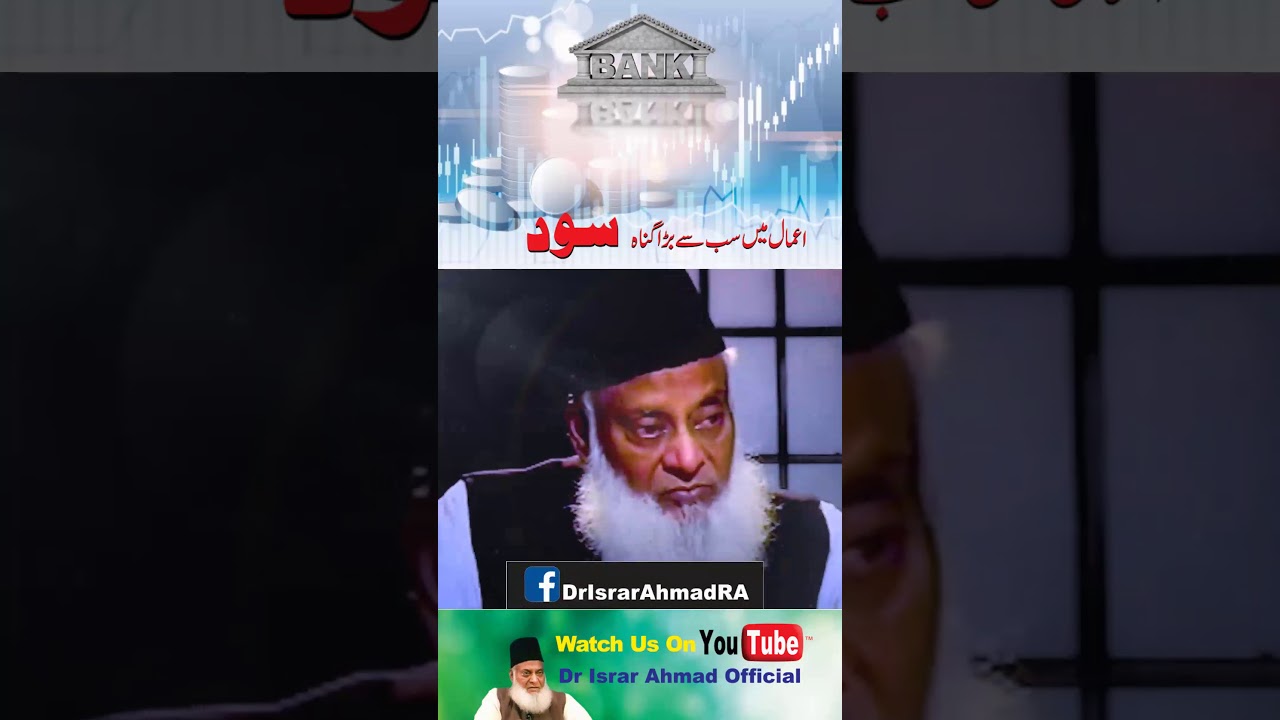
According to revealed scriptures, the gravest sin is usury (interest). Shirk (associating partners with God) is unpardonable. The Quran states God does not forgive associating partners with Him, but forgives lesser sins to whomever He wills. Usury, declared as warfare by God and His Messenger, has become central to modern economic systems like banking and capitalism.
94
This lecture explores the fleeting nature of worldly life and the imminence of the afterlife. It emphasizes that the time spent in this world, including childhood and the entire period of existence before the Day of Judgment, will seem as short as a single day. The speaker highlights the inevitable accountability before God and encourages reflection on the true purpose of life, urging listeners to prepare for the ultimate reckoning. The lecture stresses the brevity of existence and the importance of recognizing the approaching moment of divine call, emphasizing that the entire span of life—from birth to death and beyond—will ultimately feel condensed into a brief period.
58

Many misconceptions exist regarding remembrance of God. A primary error is conflating *zikr* (remembrance) with the *means* of remembrance. *Zikr* is the presence of God within the heart – maintaining a connection through remembrance, love, and attachment. Simply repeating phrases like “Subhan Allah” is a *means* of remembrance, but not *zikr* itself. True *zikr* requires focused attention and presence; if the mind is preoccupied with worldly concerns while reciting, the benefit of remembrance is lost. The act itself is a tool; the connection with God is the essence.
46
