Шорты

This lecture details three elements that lead to salvation and three that lead to destruction. Salvation is achieved through fear of God in both private and public, speaking the truth regardless of anger or pleasure, and fulfilling one’s obligations. Destruction stems from following one's desires, excessive love of wealth, and self-admiration. Self-regard is presented as the most dangerous of these destructive traits, hindering spiritual progress and distancing one from divine guidance.

57
The origins of the name Ramadan are debated. One view connects it to the intense heat that historically impacted the Arabian Peninsula, causing hardship and natural purification. This led to a belief that Ramadan offered a time of spiritual cleansing. Another perspective links the name to one of the names of God, signifying that Ramadan is God's month. This is supported by a saying of the Prophet Muhammad, who identified Sha’ban as his month and Ramadan as the month of God. The purpose of fasting during Ramadan is fundamentally to purify the impurities accumulated within the human body.
60
Human life is marked by trials and tribulations, but these are temporary. Every individual will ultimately stand before their Lord and be held accountable for their actions. This lecture emphasizes the inevitability of judgment and the intense anxiety experienced even by the most righteous individuals, like Abu Bakr Siddiq, regarding this accountability. He expressed a desire to be free from this reckoning, wishing to be a bird or a blade of grass, exempt from divine assessment. The core message is a reminder of the Day of Judgment and the importance of preparing for it.
46
This lecture explores the dual nature of *dawat* (invitation) and *tabligh* (propagation). It clarifies that both involve conveying a message and guiding someone toward a particular path. *Dawat* focuses on reaching out and delivering the message, while *tabligh* emphasizes bringing someone along that path, accepting the invitation. The lecture highlights that these are not separate actions, but two sides of the same effort—communicating a message and encouraging acceptance. The speaker emphasizes the importance of conveying the message and guiding others towards righteousness.
53
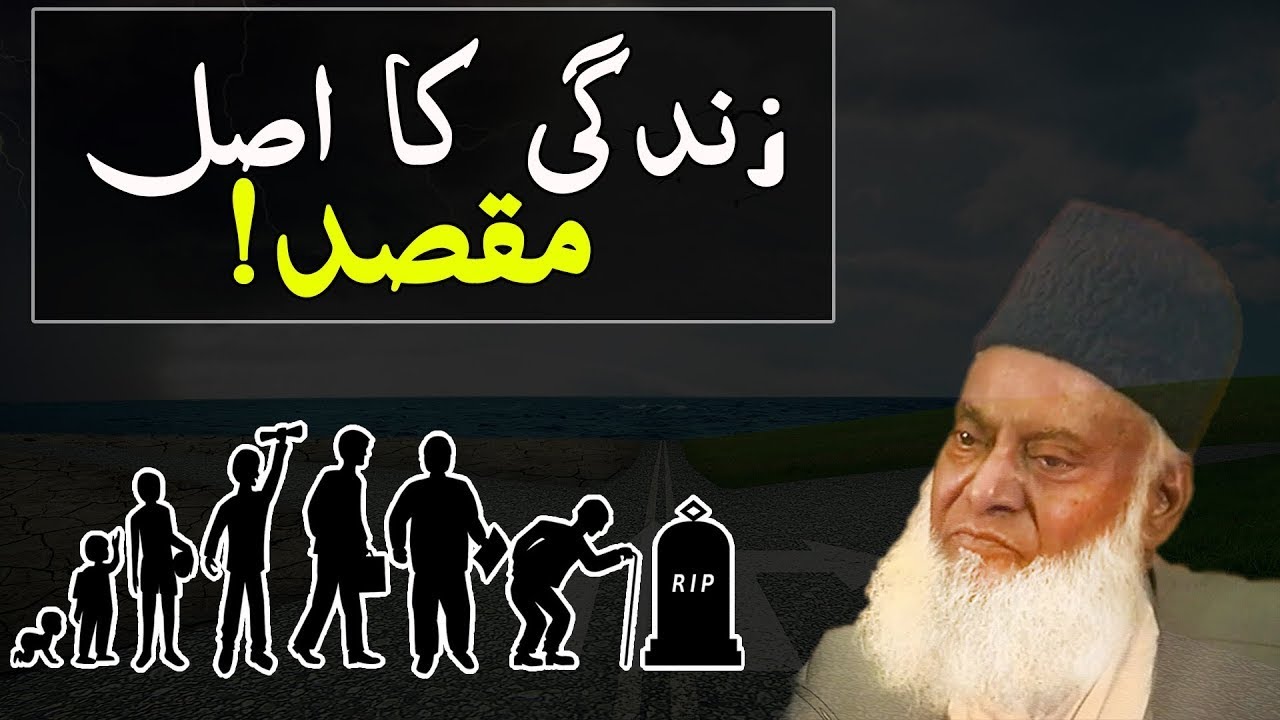
The speaker discusses the sacrifices people make for misguided ideologies, contrasting them with the dedication needed from capable individuals to strengthen religious work. He highlights the importance of educated and well-off youth devoting themselves to faith, questioning how progress can be achieved without their contribution. The lecture emphasizes that dedication to religion shouldn’t be a last resort for those lacking other opportunities, but a conscious choice made by those with the means and ability to contribute meaningfully.
63
The lecture contrasts two concepts of religion: a static view focused solely on ritual observance, and a dynamic view centered on striving for the dominance of Islam and the betterment of the world. The speaker argues that a truly devout person dedicates their energies to both earning a livelihood and working towards the elevation of Islamic values. One approach limits faith to personal piety, while the other sees it as a driving force for positive change in society. The ultimate purpose of a Muslim’s life, according to this perspective, is to contribute to the glory of Islam.
60
