Şort
The lecture clarifies the distinction between being a Muslim—one who outwardly professes the faith—and a *mumin*—a true believer. It explains that merely claiming faith is insufficient; genuine belief requires complete trust in God and His Messenger, coupled with striving in His path with both wealth and life. The speaker references Surah Al-Hujurat, verse 14, highlighting that true faith enters the heart and manifests in dedicated action and sacrifice. A Muslim may adhere to the rituals, but a *mumin* embodies the complete essence of faith through unwavering dedication and continuous struggle for the sake of Allah.

81
This lecture addresses the issue of institutionalized begging and contrasts it with genuine charitable giving rooted in Islamic teachings. It argues that simply giving small amounts of money to beggars perpetuates the problem instead of empowering them. The speaker emphasizes the importance of supporting institutions that rehabilitate and enable individuals to become self-sufficient. Giving to those in need is obligatory, but it should be done in a way that preserves their dignity and fosters independence. The lecture cautions against dismissing or humiliating those who ask for help, suggesting that even those who appear well-off may have legitimate needs. The core message is that true charity involves empowering individuals to stand on their own feet, not simply providing temporary relief.
62
This lecture emphasizes that true service to humanity lies in saving people from the torment of hellfire, rooted in the belief that the afterlife is the true existence. It highlights that indifference to the suffering of others, particularly their spiritual peril, demonstrates a lack of compassion. The core message is that preventing someone from entering hell is the greatest act of service, especially if one is aware of the consequences of disbelief. Genuine faith necessitates actively guiding others towards salvation and alleviating their spiritual hunger.
86
This lecture discusses the plight of women, particularly in Western societies, highlighting the burdens they bear – pregnancy, childbirth, and financial responsibility. It critiques the objectification of women and questions the values of Western civilization, suggesting a concerning trend of exploitation and disregard for their dignity. The speaker emphasizes the need to understand and respect women's true worth and role in society.
430
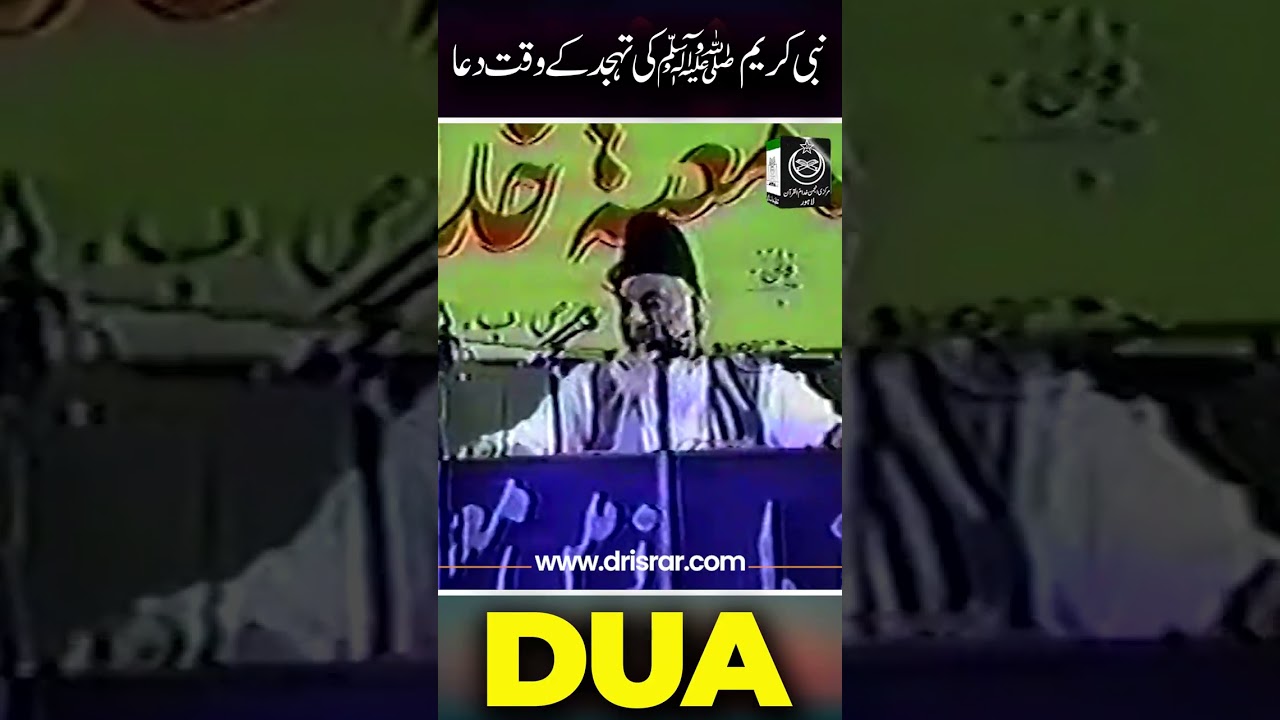
This lecture explores a specific supplication frequently recited by the Prophet Muhammad (peace be upon him) during his Tahajjud prayers. The core message centers on affirming the truth of Muhammad, the Quran, and Prophethood itself. The speaker emphasizes that repeatedly internalizing these truths is essential for strengthening one’s faith. Genuine belief isn't merely intellectual assent but a deeply ingrained conviction within the heart, forming the very foundation of true faith. The lecture stresses that this consistent affirmation cultivates a robust and unwavering certainty.
83

This lecture discusses the Islamic principle of prioritizing ease and avoiding unnecessary hardship, particularly concerning fasting during illness or travel. It highlights an incident during a military expedition where some individuals, despite being weakened, insisted on fasting, causing them to collapse. The Prophet Muhammad (peace be upon him) observed this and discouraged fasting in such circumstances, emphasizing that Islam aims to facilitate, not burden, its followers. The core message is that self-inflicted hardship is not a virtue but a misunderstanding of religious principles, and that the purpose of religious teachings is to promote ease and well-being.
67
