Şort

True faith is demonstrated through actions motivated solely by devotion to God. Loving for God's sake and hating for God's sake are fundamental aspects of complete faith. Giving and withholding should also be done solely to please God, adhering to divine command. A believer’s love and animosity stem from adherence to or rejection of God’s principles, not personal desires. Fulfilling these four conditions – loving for God, hating for God, giving for God, and withholding for God – completes one’s faith.

68
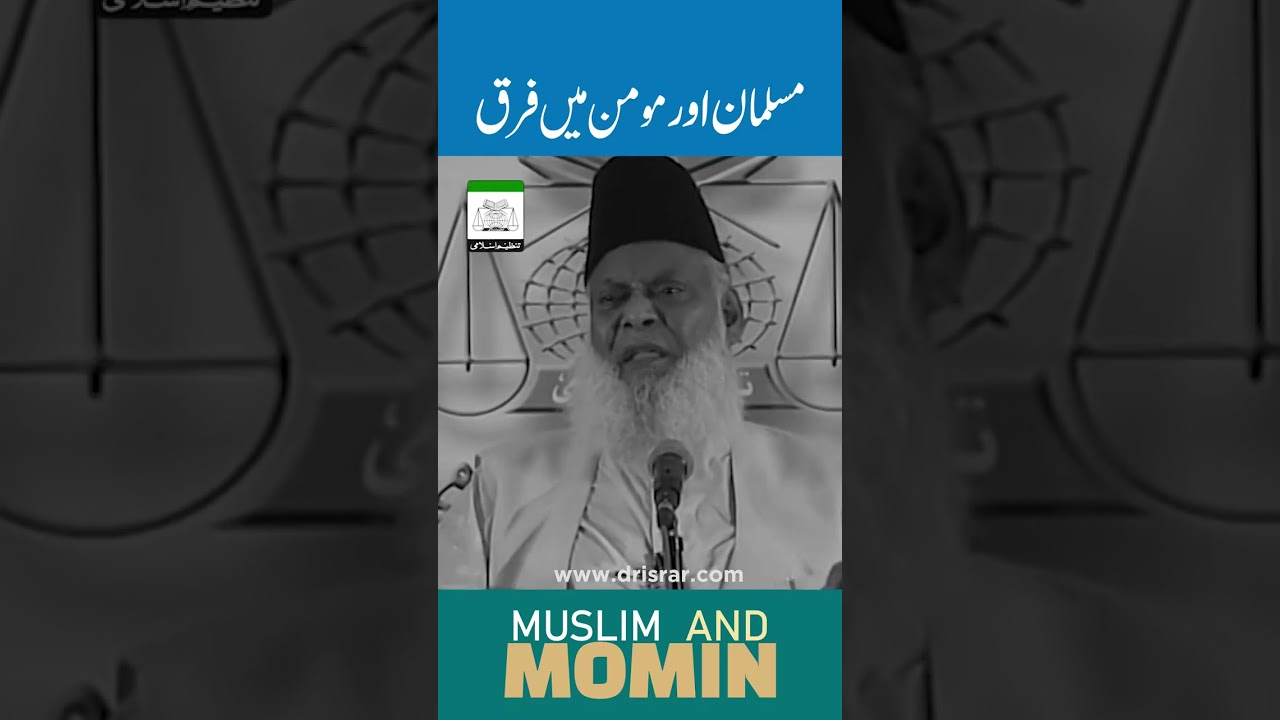
The lecture clarifies the distinction between being a Muslim and a true believer (Momin). Simply identifying as a Muslim based on lineage is insufficient; genuine faith requires complete submission to God and His Messenger, unwavering conviction, and active struggle in the path of God with both wealth and life. The speaker references Surah Al-Hujurat, verse 14, emphasizing that true faith enters the heart and is demonstrated through action, not merely claimed through words. Those who genuinely believe are those who strive in the way of Allah with their possessions and lives.
99
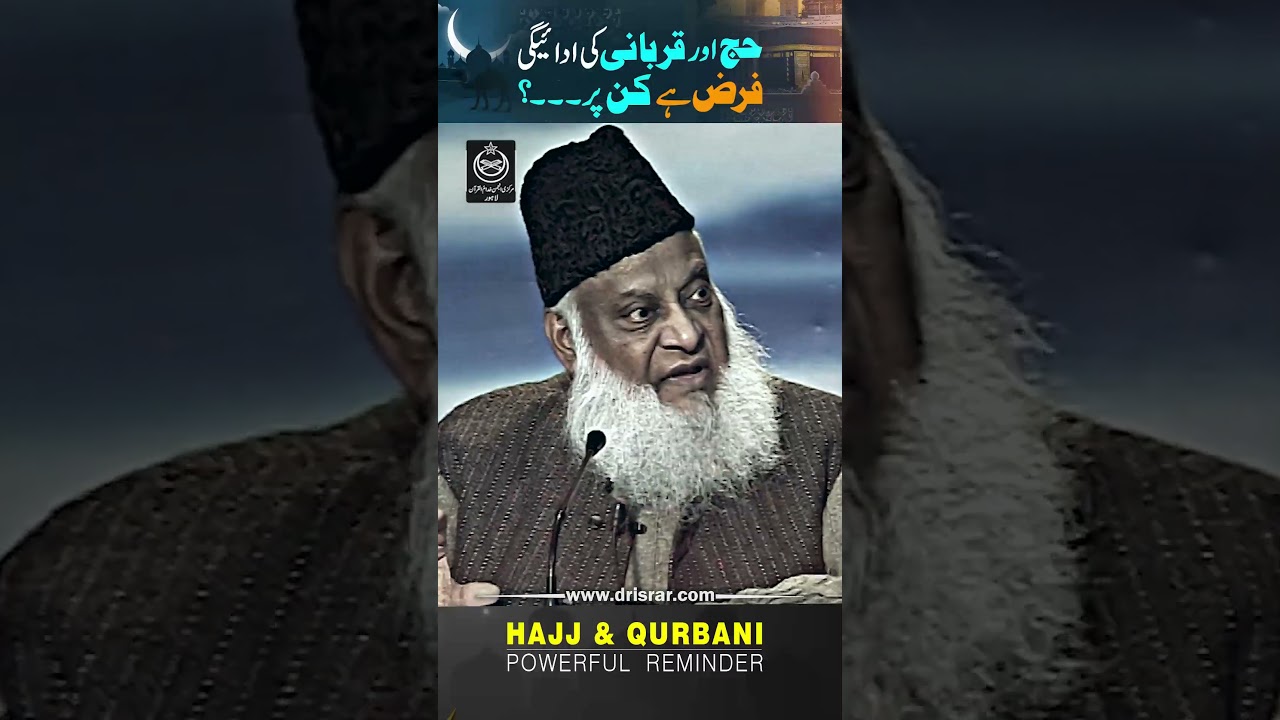
This lecture clarifies the obligation of Hajj for those who possess the means. It explains that Hajj is a debt owed to God, becoming obligatory when one has the physical and financial capacity to perform it, including provisions for travel, accommodation, and sustenance. Delaying Hajj after fulfilling these conditions constitutes a significant sin. The discussion emphasizes fulfilling the rituals and offering sacrifice as integral parts of the pilgrimage.
61

This discourse elucidates the core tenets of the true religion (Deen-e-Qayyimah), emphasizing the absolute Oneness of God (Tawhid) as the foundation of faith. It highlights that humanity was commanded solely to worship God sincerely and exclusively, maintaining a pure and unwavering devotion. The lecture further stresses the importance of establishing prayer (Salat) and fulfilling the obligation of Zakat as fundamental pillars of this worship. These acts, when performed with sincerity, constitute the essence of a life lived in submission to God. The discussion establishes prayer and Zakat as the most critical components of worship, alongside the pilgrimage, emphasizing their role in achieving spiritual fulfillment.
59

The Prophet Muhammad (peace be upon him) emphasized that fulfilling Zakat is not merely about giving a fixed portion of wealth. It is an acknowledgement that Allah has a right in our possessions beyond just the obligatory Zakat. The Quran highlights spending on relatives, orphans, the needy, travelers, and freeing slaves as acts of righteousness. Zakat is a pillar of Islam, akin to prayer in strengthening faith. The ability to spend in the path of Allah is sustained through the practice of Zakat as an act of worship. It is not simply about wealth redistribution, but about purifying one's soul and fostering spiritual growth.
112
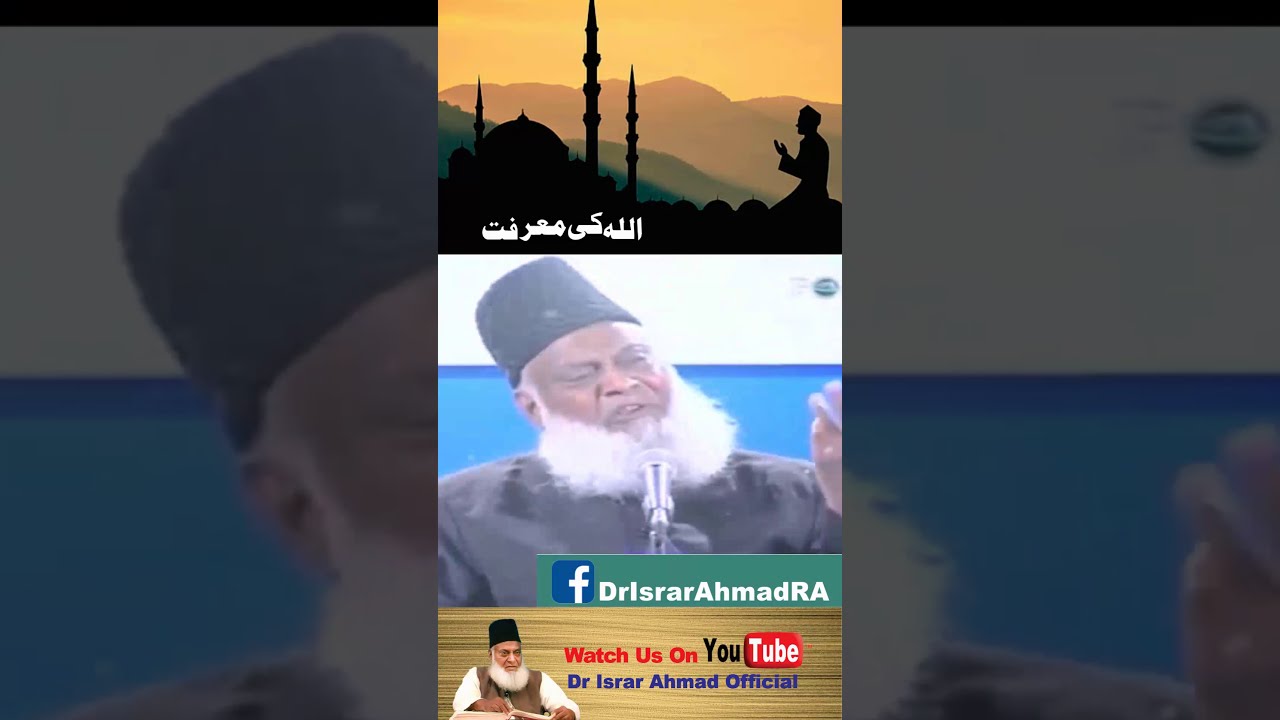
Human beings are inherently predisposed to recognizing Allah. The knowledge and love of Allah reside within the soul, obscured by layers of neglect. Individuals fail to delve into the depths of their own hearts to rediscover this innate connection. This lecture explores the inherent human capacity for divine recognition and the importance of introspective spiritual inquiry. It emphasizes that recognizing Allah is not an acquired skill, but a natural inclination veiled by worldly distractions. The core message is a call to self-reflection and a return to the inherent spiritual awareness within each individual.
145
