Shorts

True faith is demonstrated through actions motivated solely by devotion to God. Loving for God's sake and hating for God's sake are fundamental aspects of complete faith. Giving and withholding should also be done solely to please God, adhering to divine command. A believer’s love and animosity stem from adherence to or rejection of God’s principles, not personal desires. Fulfilling these four conditions – loving for God, hating for God, giving for God, and withholding for God – completes one’s faith.

68
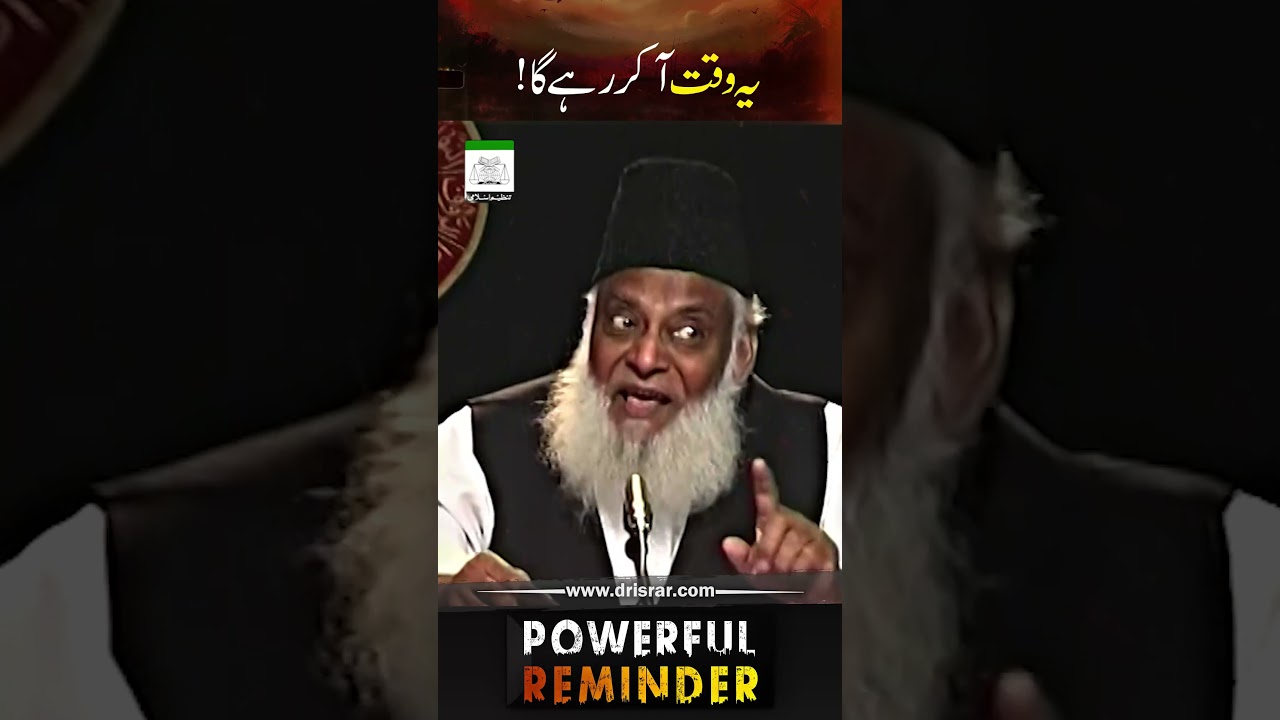
This lecture details the inevitable arrival of the final hour, a cataclysmic event preceding the Day of Resurrection. It describes a complete transformation of the world, where mountains will crumble and all structures will be reduced to dust. This event, distinct from the Resurrection itself, is a prelude to a time of reckoning where all individuals will be resurrected from their graves, or wherever their remains lie, to face judgment. The speaker emphasizes this hour as a complete annihilation followed by a subsequent resurrection and accountability.
54
True faith is deeply rooted conviction in the heart—belief in God, His attributes, His presence and knowledge, life after death, accountability, reward and punishment, Paradise and Hell, angels, divine revelation, scriptures, prophets, messengers, and the finality of the prophethood of Muhammad, peace be upon him. This conviction is the foundation of a meaningful life.
45

During the Tabuk expedition, an Ansari companion, a poor laborer, worked tirelessly irrigating a Jewish man’s garden. He offered half of his earned dates as charity, presenting the other half to the Prophet Muhammad. Despite the vast supplies amassed for the campaign, hypocrites suggested the expedition would be incomplete without his contribution. The Prophet declared these few dates to be heavier in the sight of God than the entire amassed wealth, highlighting the sincerity of the companion's offering and the value of selfless devotion.
55

Islamic principles dictate that the financial responsibility for a wedding lies with the groom’s family, not the bride’s. Marriage is a necessity for both men and women, completing each other’s lives. The mahr, or dower, is paid by the groom to the bride, symbolizing his commitment and responsibility. It is not a price for the bride, nor a purchase, but a token of commitment and a recognition of her value. Mahr can be determined in various forms, including goods, services, or the commitment to teach the bride Quran. It represents the man's capability to fulfill his obligations and the woman’s acceptance of this commitment.
87
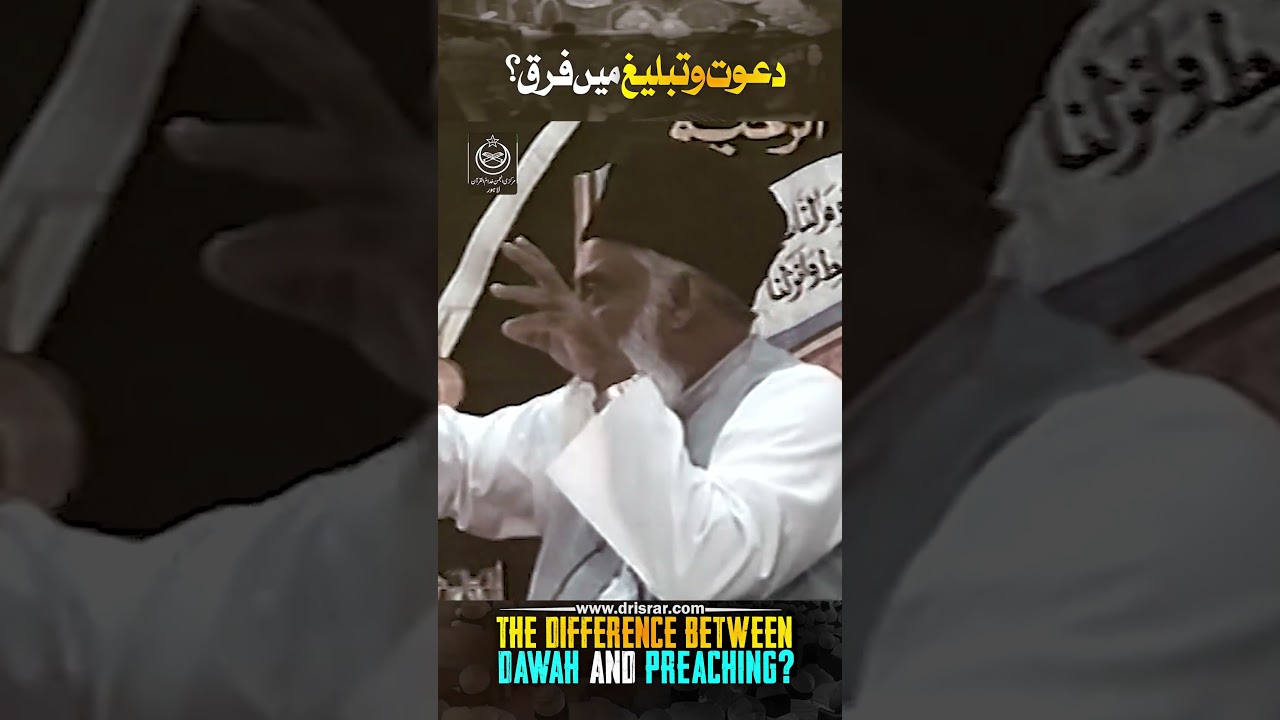
This lecture explores the dual nature of *dawat* (invitation) and *tabligh* (propagation). It clarifies that both involve conveying a message and guiding someone toward a particular path. *Dawat* focuses on reaching out and delivering the message, while *tabligh* emphasizes bringing someone along that path, accepting the invitation. The lecture highlights that these are not separate actions, but two sides of the same effort—communicating a message and encouraging acceptance. The speaker emphasizes the importance of conveying the message and guiding others towards righteousness.
62
