Corti
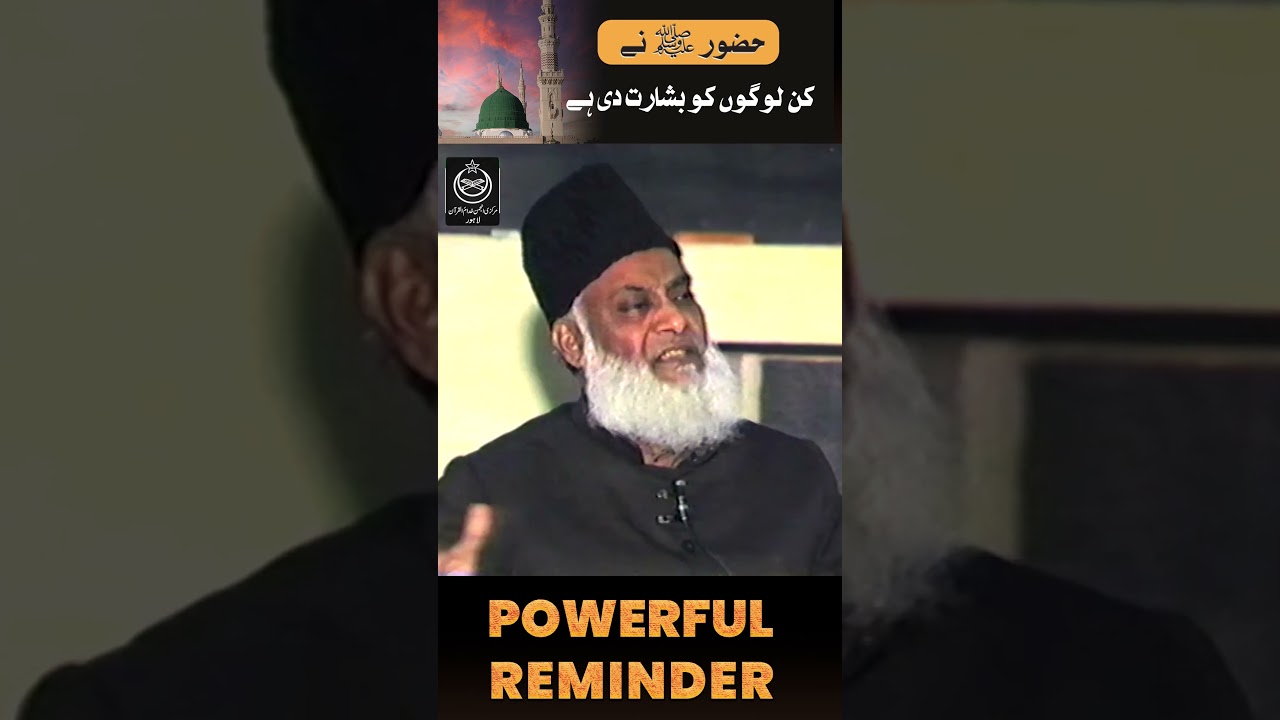
The lecture discusses the origins of Islam, emphasizing its initial state of being foreign and unfamiliar. It highlights how Allah granted Islam dominance and power, but warns of a potential return to its original state of isolation if individuals distance themselves from its principles. The speaker congratulates those who remain connected to Islam, despite facing potential alienation and lack of support from their surroundings. The message underscores the importance of remaining steadfast in faith to avoid becoming outcasts.

60
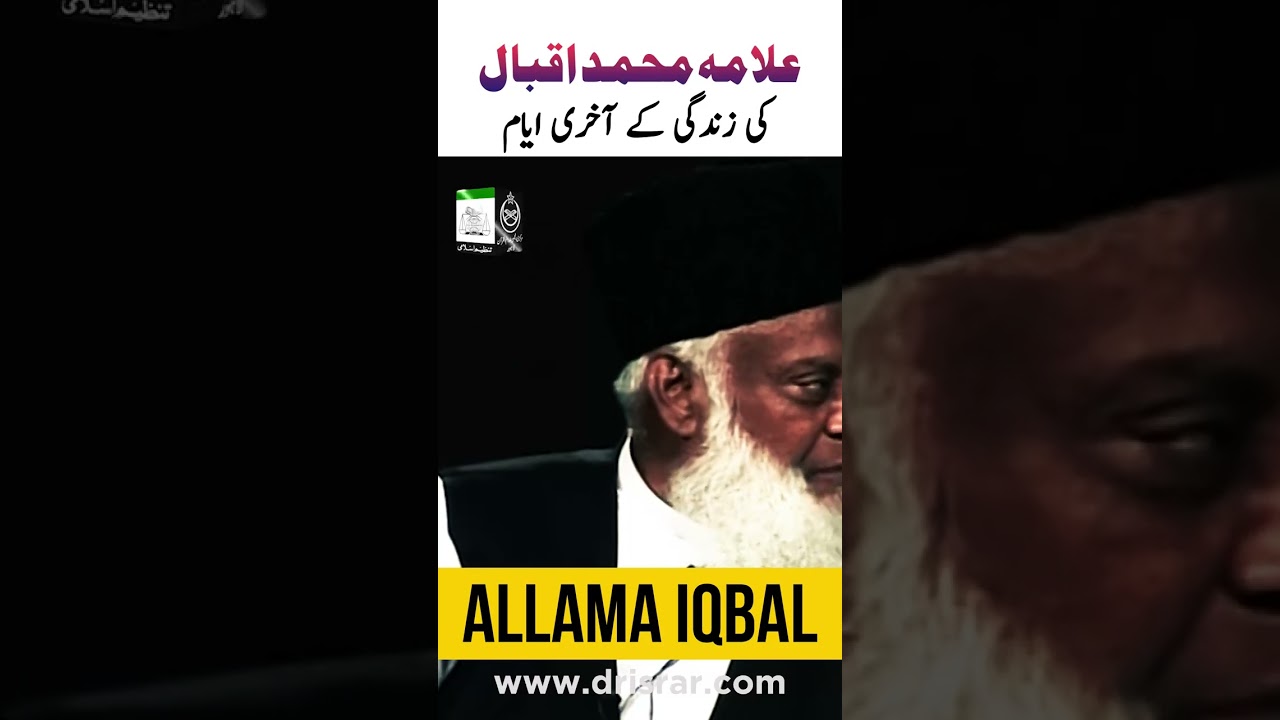
In his final days, Allama Iqbal expressed deep concern about the continuation of his mission after his passing. He feared a lack of capable successors to carry forward his work, drawing a parallel to the anxiety of Prophet Zakariya when he prayed for a son in old age. Iqbal worried about the potential inability of his relatives and those around him to follow the righteous path he advocated. He implored God for a devoted successor, mirroring Zakariya’s plea. This lecture explores these anxieties, referencing Iqbal’s famous verses, ‘Sarod-e-Raftbaz,’ ‘Nayeem-e-Az-Hijaz,’ and ‘Sar-e-Rozgar-e-In Faqir-e-Dagar Dana-e-Rah.’
64

This lecture explores the limits of human knowledge and emphasizes the absolute knowledge of Allah. It highlights that no soul knows what it will earn tomorrow or where it will die. The text illustrates this with the example of someone traveling and unexpectedly passing away, contrasting it with those who live for years in one place. It reinforces that Allah is the All-Knowing, the All-Aware, and that He alone possesses complete knowledge of the unseen and future events. The discussion centers on the concept that everything is within Allah’s knowledge, including what is in the wombs and the circumstances of death.
56

The Quran uses the term ‘Noor’ (light) as a metaphor for Allah and also for the Quran itself. The verse ‘Believe in Allah, His Messenger, and the light which We have sent down’ clearly refers to the Quran. While ‘Noor’ can encompass the entirety of religion, the core essence of religion ultimately boils down to the concept of Tawhid (Oneness of God). Therefore, equating ‘Noor’ with Tawhid is also justifiable. This lecture explores the multifaceted meaning of ‘Noor’ within the Quranic context and its significance for faith and understanding.
65

True justice originates from God. The inherent system He established is fundamentally just. As loyal servants, it is our responsibility to uphold and implement this divine system. This requires a firm and unwavering stance for justice, utilizing all available resources and strength. This is not merely a response to societal turmoil, but a demand of our devotion to God. It necessitates standing as witnesses to His faith, embodying justice and fairness in all actions, and actively championing equitable principles.
59

This lecture emphasizes accepting both blessings and trials from God with contentment and recognizing divine wisdom in all circumstances. It highlights the importance of surrendering to God’s will and finding peace through acceptance of His decree. The core message is to remain steadfast in faith and find satisfaction in God’s plan, understanding that all events, whether positive or negative, occur with a divine purpose. It stresses that true contentment lies in aligning oneself with God's will, acknowledging His sovereignty, and finding peace in surrendering to His decree.
65
