Şort
A recent gathering of Islamic movement leaders in London assessed global regions for the potential revival of Islam and the establishment of an Islamic system. The consensus identified Pakistan as the sole viable country for this purpose, possessing the inherent capabilities, resources, and challenges necessary for this undertaking. The lecture emphasizes Pakistan’s unique position and potential in the context of global Islamic resurgence.

241
The text discusses the true nature of faith, emphasizing that genuine belief requires both verbal affirmation and sincere conviction of the heart. It contrasts this with the hypocrisy of those who profess faith but lack inner belief. The passage highlights the importance of believing in God, His angels, His books, His messengers, and the Day of Judgement. Rejecting any of these constitutes profound error and leads to severe spiritual deviation. True faith encompasses complete acceptance of divine guidance and the consequences of belief or disbelief.
52
The lecture discusses the difference between reciting or listening to the Quran merely for information versus acting upon its teachings. The companions of the Prophet Muhammad (peace be upon him) immediately assessed their ability to fulfill the commands of each verse revealed. When the verse commanding adherence to *taqwa* (God-consciousness) was revealed, they questioned how anyone could fully fulfill God’s right to it. A subsequent verse clarified that individuals should strive to fulfill God’s commands to the best of their ability, recognizing the limitations of human capacity. The core message emphasizes sincere intention and striving within one's means.
65
The soul is the center of our existence, distinct from the body. While the body originates from the earth, remains for a time, and ultimately returns to it, the soul is eternal and originates from, and returns to, God. Death involves the separation of the soul from the body; the soul itself does not die but transitions. The act of ‘ قبض’ (taking/receiving) relates to the body, not the soul. The soul’s journey is one of return to its divine source, a concept encapsulated in the phrase ‘Inna lillahi wa ilayhi raji’un.’
67
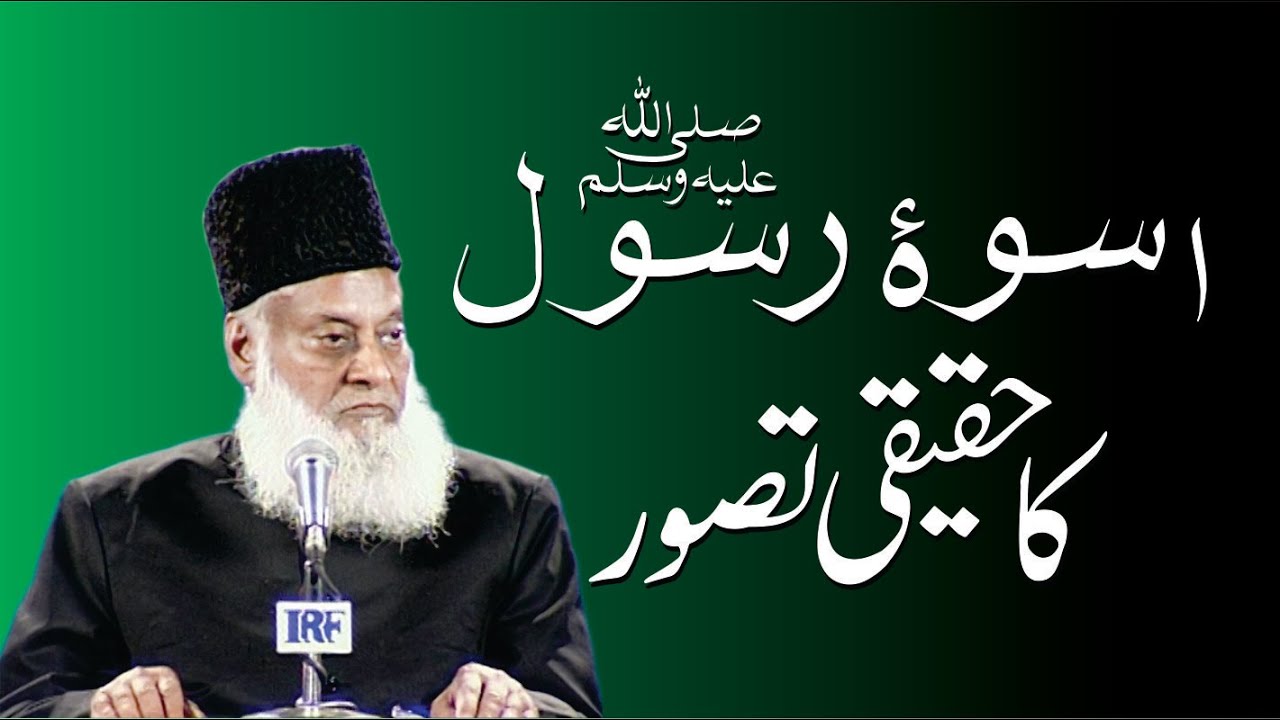
This lecture explores the life of Prophet Muhammad (peace be upon him) as a comprehensive model for life, emphasizing the struggles and sacrifices made to establish Islam. It highlights the importance of not just following superficial rituals, but embodying the spirit of striving for the dominance of God's religion in all aspects of life. The speaker stresses the need for individual and collective effort, drawing parallels between the Prophet's challenges and the current state of the Muslim community. True devotion lies in aligning one's actions with the Prophet's example, not merely reciting slogans or claiming piety. It’s a call to emulate the Prophet’s relentless dedication to establishing justice, truth, and faith in the world.
94
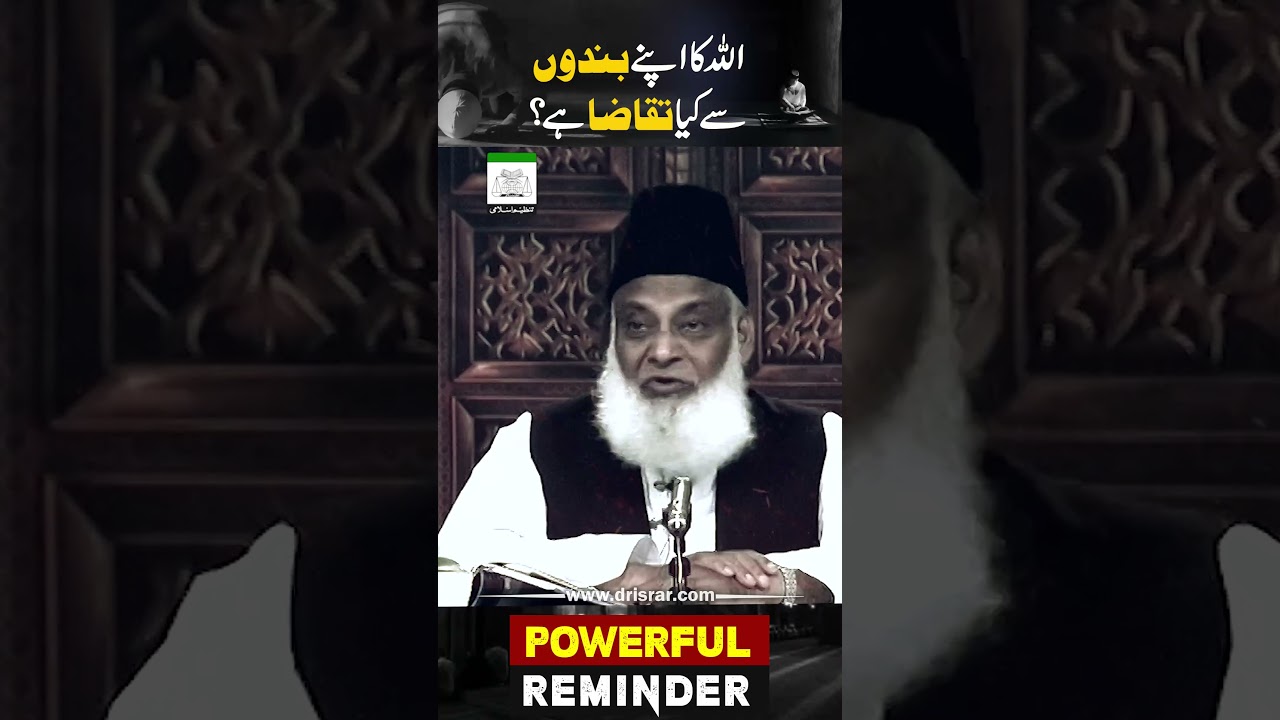
Everything in the heavens and the earth glorifies Allah. While remembrance and praise are fundamental acts of worship, humanity—especially those entrusted with stewardship of the earth—is called to a higher purpose. True faith demands action: striving to establish divine guidance and elevate the word of God. Believers must move beyond mere declaration of faith to actively work towards the triumph of God’s message. This entails dedication and sacrifice in upholding and promoting the principles of Islam.
57
