מִכְנָסַיִים קְצָרִים
This lecture challenges conventional definitions of success, which often equate it with wealth, property, or business expansion. It asserts that true success lies beyond material possessions and external achievements. The speaker contends that societal perceptions of success are flawed, and genuine fulfillment stems from something deeper than worldly gains. The core message emphasizes a shift in perspective, urging listeners to redefine success based on intrinsic values rather than external metrics.

233
This lecture emphasizes that worldly life is a cultivation for the afterlife. Every moment presents an opportunity to sow seeds for eternal rewards. Actions in this world directly impact one’s destiny in the hereafter. The speaker urges viewers to recognize the immense value of each moment and to diligently work and strive in this life to reap a bountiful harvest in the next. It’s a call to mindful living and purposeful action, framing life as an investment in eternal success.
75
This lecture discusses the permissibility of a mutual aid system (Imdad Bahawi) specifically for financing Hajj pilgrimage or fulfilling other needs. The system involves contributions from members, and a lottery or similar method determines the order in which members receive funds. It's explained that this is not considered interest-based, as members are simply pooling their resources and receiving funds back in a predetermined order. The lecture highlights the benefit of receiving a lump sum of money, enabling recipients to pursue business ventures or fulfill essential needs.
66
Death is not an end, but a pause in life, a transition to what comes next. This lecture explores the revolutionary impact of faith on the companions of the Prophet Muhammad, peace be upon him. They were dedicated, committed seekers of the afterlife, lovers of God, and devoted to the Prophet. For them, the Prophet’s gesture was a command, and they willingly sacrificed their lives, homes, and worldly possessions for the sake of their faith. This dedication birthed a revolution, and the Quran was the means by which these exceptional individuals were prepared.
76
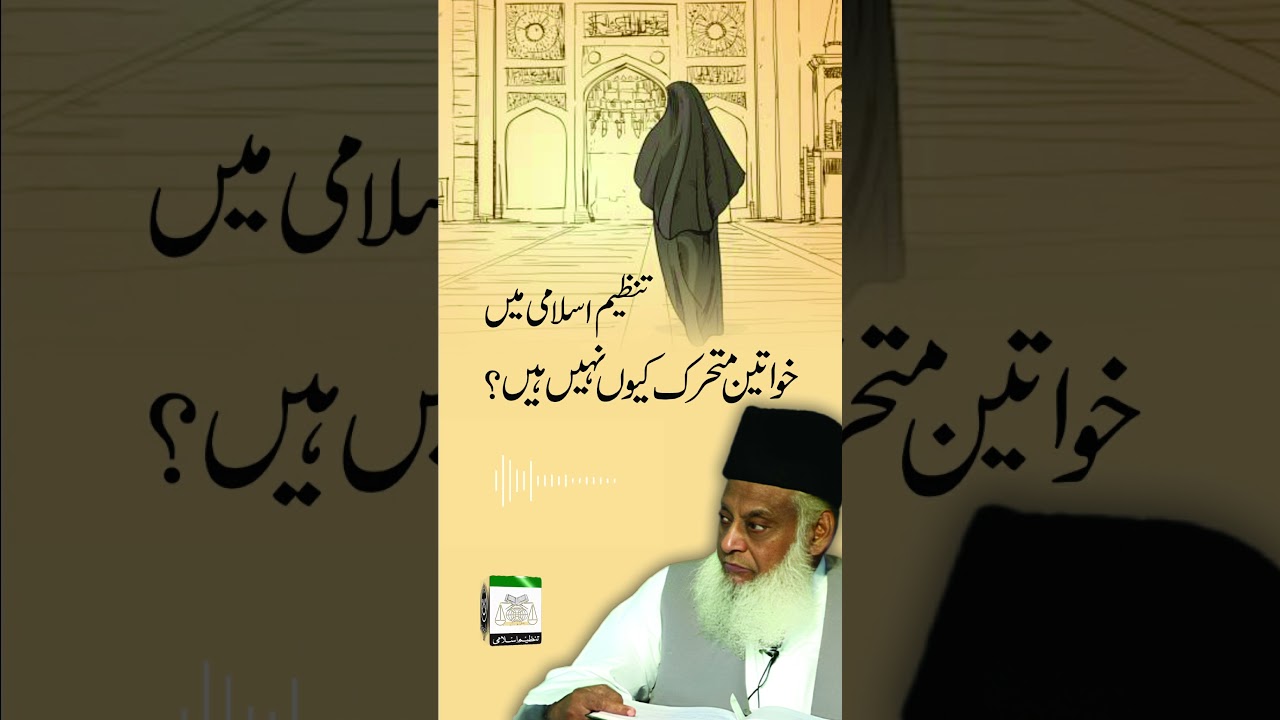
This lecture discusses the societal expectations placed upon women, particularly within a traditional framework. It highlights the prioritization of domestic responsibilities and the perceived conflict between these duties and external activities like preaching or political canvassing. The speaker emphasizes that a woman’s primary sphere of influence is her home, and while participation in other areas isn’t forbidden, it should not come at the expense of her familial obligations. The lecture addresses the potential for conflict when societal expectations clash with a woman's desire to engage in public life and suggests a balanced approach is necessary. It suggests that societal structures will naturally slow the pace of external activities for women prioritizing their homes.
101
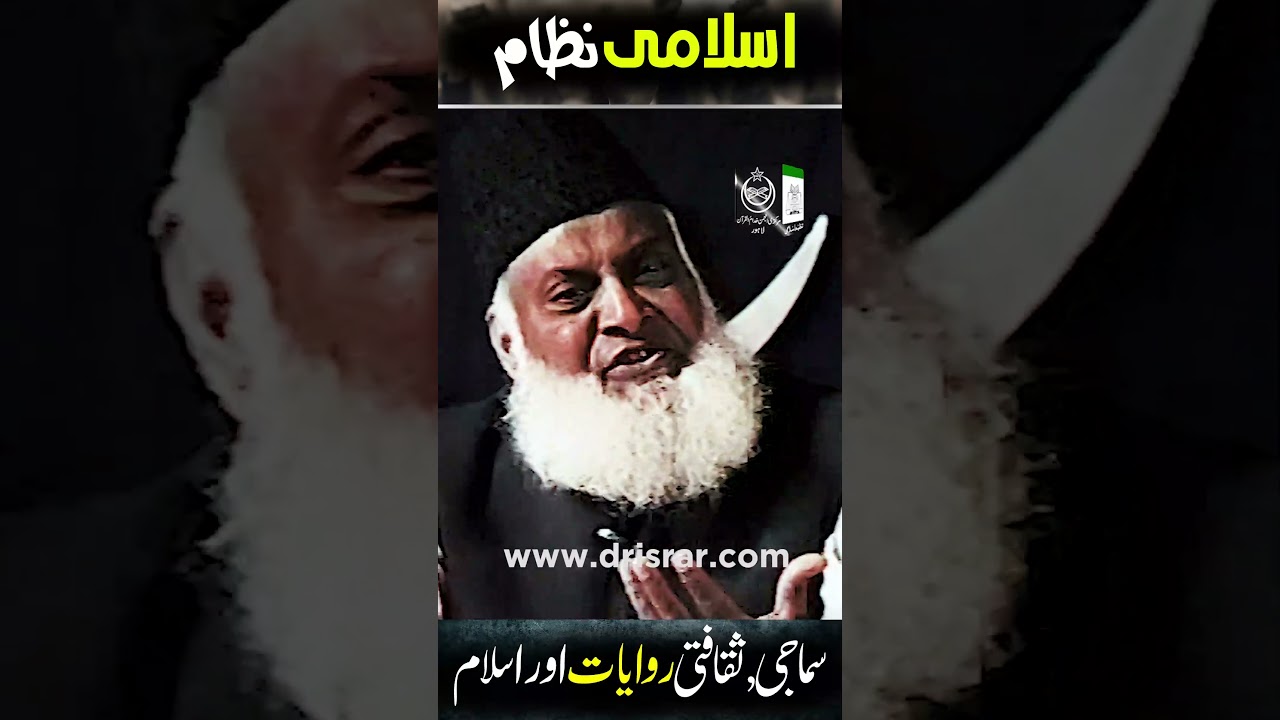
This lecture clarifies the Islamic principle regarding social, cultural, and regional traditions. It asserts that Islam allows the adoption of customs not conflicting with the Quran and Sunnah. The speaker emphasizes that adherence to practices solely because the Prophet Muhammad and his companions followed them is not obligatory. Practices are permissible if they align with Islamic teachings; otherwise, they remain optional. The core message is flexibility within the bounds of faith, acknowledging cultural variations while prioritizing religious guidance.
79
