Шорты
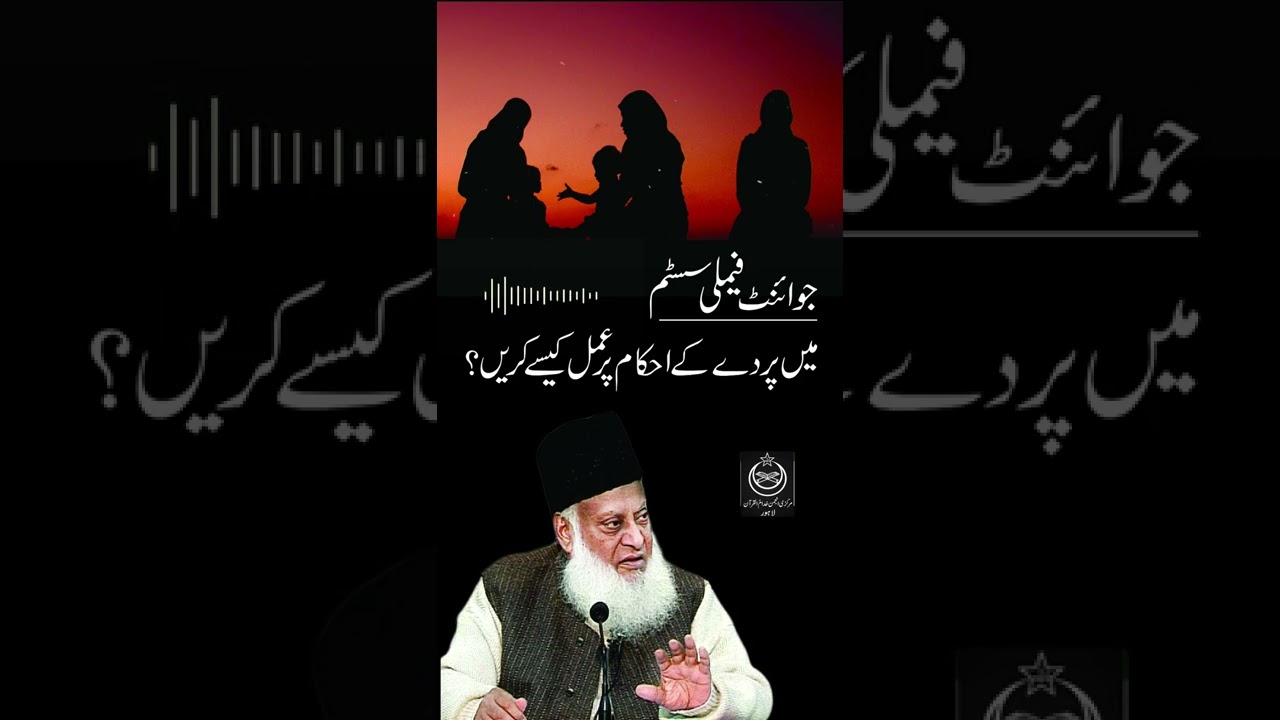
This lecture discusses the application of *purdah* (modesty/seclusion) within a joint family system. Dr. Israr Ahmad explains that while strict adherence to *purdah* as practiced between separate households isn't possible, certain guidelines can be followed. These include avoiding direct face-to-face interaction between a younger brother's wife and her husband’s elder brother, maintaining distance, and ensuring privacy during work or activities where unrelated men may be present. The discussion uses an example of a woman working while maintaining *purdah* from male relatives and outsiders.

92

This poem reflects on the cyclical nature of struggle and disappointment in pursuing a revolutionary purpose. It acknowledges the inevitability of setbacks and the potential for repeated failure, emphasizing the need for unwavering preparation and resilience. The speaker accepts that effort, even if ultimately unsuccessful, is a necessary part of striving for change. It stresses the importance of continuous preparation for future endeavors, even in the face of repeated defeats, and cautions against losing resolve or abandoning the pursuit of a greater goal. The poem speaks to the persistent hope for a better future despite the constant threat of ruin, and the need to nurture the seeds of change even in barren soil.
62

This lecture emphasizes that prayer (dua) is the core of worship. God hears and responds to every sincere call, irrespective of the supplicant’s location or posture. God accepts prayers offered from any place, whether at home or elsewhere, and responds to those who turn to Him with devotion. The essence of faith lies in maintaining a constant connection with God through heartfelt supplication.
25

This lecture details a specific, undisclosed hour on Friday when prayers are believed to be particularly effective. Various interpretations exist regarding its timing. Some scholars suggest it's the period between the two khutbas during Jummah prayer. Others believe it spans from immediately after the Jummah prayer until Asr. Consequently, many observant Muslims spend this time in mosques, engaging in remembrance and recitation of the Quran. The precise timing remains intentionally concealed, adding to its spiritual significance.
70

The Prophet Muhammad (peace be upon him) is the final messenger of God, sent as a blessing to all of humanity. Unlike previous prophets who were sent to specific nations, his message is universal. He was sent not merely as a source of mercy for one people, but as a source of mercy for the entire world. He was sent as both a bearer of glad tidings and a warner for all humankind. This lecture details this universal aspect of the Prophet's mission, differentiating it from the missions of previous prophets.
69
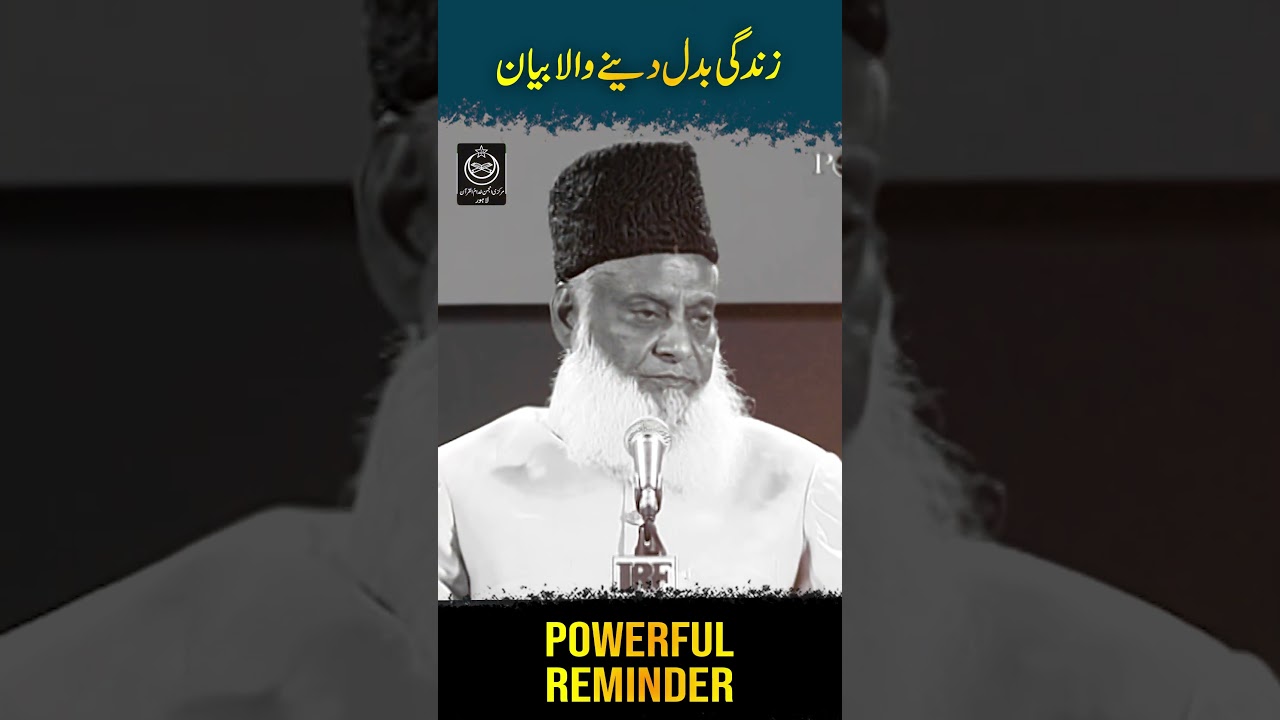
This lecture emphasizes the importance of dying in a state of submission to God. It cautions against the dangers of dying while disobeying divine commands, highlighting that repentance may not always be possible before death. The speaker uses examples of individuals who died in states of disobedience, such as intoxication, to illustrate the gravity of the situation. The ultimate message is to live a life of constant vigilance and obedience, ensuring that death finds one in a state of faith and submission. Every moment should be guarded against transgression, and a life dedicated to God’s commands is essential for a peaceful and accepted death.
71
