Quần short
This lecture discusses the Islamic perspective on the joint family system. While there is no explicit command or prohibition in the Quran and Sunnah regarding it, adherence to Islamic principles of privacy and modesty (hijab and purdah) are crucial. The system is permissible if these principles are maintained; otherwise, it becomes problematic. Dr. Israr Ahmad explains that the core issue isn’t the system itself, but the implementation of Islamic guidelines within it. Maintaining privacy and modesty is paramount for a permissible joint family structure.

132
The loss of modesty (hayā) correlates directly with a decline in faith (īmān). This internal restraint, a natural human quality instilled by God, protects individuals from immoral acts. When this protective barrier is removed through sin, such as adultery, internal restrictions dissolve, leading to unrestrained behavior and a visible deterioration of character. The natural human quality of modesty is an integral part of faith; its absence reveals inner corruption, much like the discharge from a festering wound.
61
Dr. Israr Ahmad discusses the concept of a 'State of Medina' and its moral foundations, criticizing the hypocrisy of those who invoke its principles while failing to embody its ethical standards. He emphasizes the importance of upholding justice, promoting good, and preventing evil, and warns against inconsistency between professed ideals and actual conduct. He stresses the need for genuine piety and righteousness in all aspects of life, particularly within political spheres. He further clarifies that offering constructive advice to those in power is a continuous responsibility, driven by a desire for societal betterment.
67
Hazrat Umar Farooq established a land system where conquered territories weren't individually owned, but held in common trust by the Muslim community. Revenue generated from this land was designated for the welfare of Muslims, both contemporary and future generations. Those working the land, regardless of religion, were required to pay land revenue. This revenue-generating status of the land would remain perpetual, even under non-Muslim rule, and revert to its original status upon regaining independence.
73
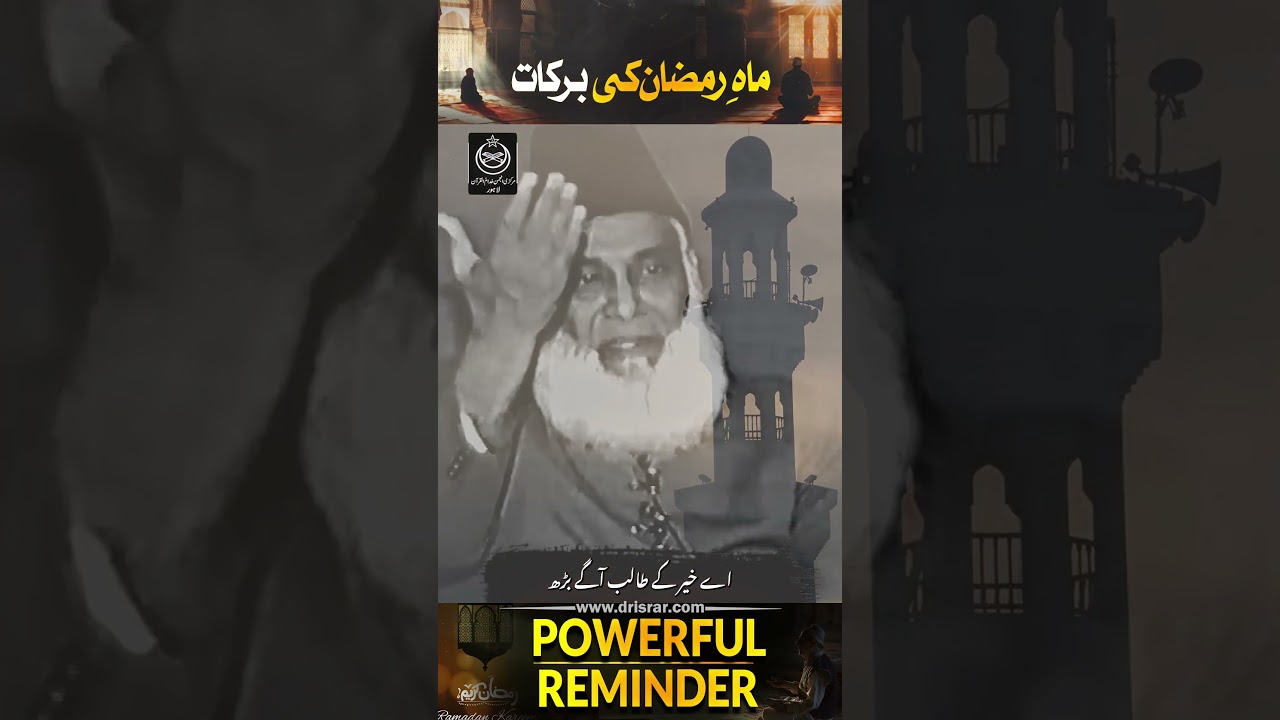
This lecture explains the unique significance of Ramadan. It highlights that Ramadan is a time when Allah makes it easier to perform good deeds and more difficult to indulge in evil. The month offers open doors to divine mercy and encourages individuals to progress on the path of righteousness. It is a call to seize the opportunities for spiritual growth and avoid falling short of the blessings available during this sacred month. The lecture emphasizes that Ramadan facilitates advancement for those inclined towards goodness and creates obstacles for those inclined towards evil.
82
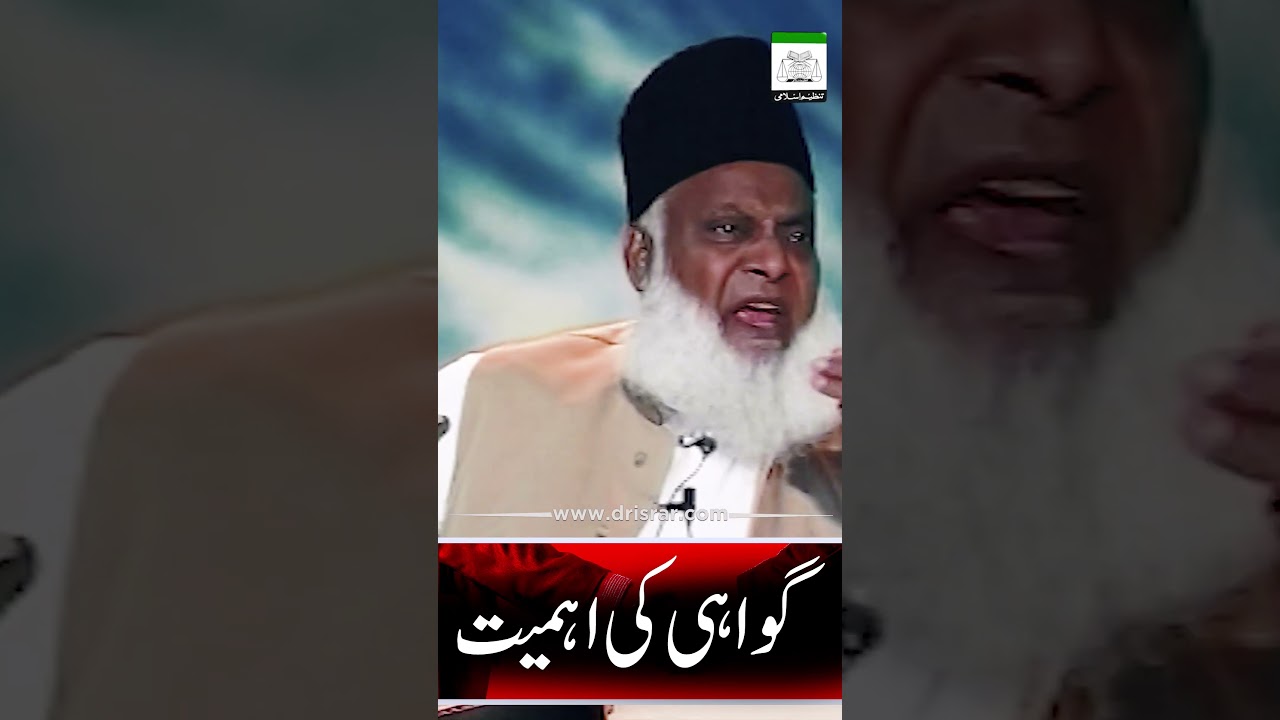
This lecture emphasizes the importance of witnesses in both immediate and future transactions, particularly for significant purchases like property. Establishing proof through witnesses avoids disputes and ensures the validity of agreements. The speaker highlights that witnessing a transaction provides legal security and is essential for any substantial deal, safeguarding both parties involved. It’s a crucial step for long-term financial and legal stability.
62
