Шорты
Dr. Israr Ahmad discusses the creation of Jinn and Adam, highlighting their distinct compositions and the source of their creation. He explains that Jinn were created from smokeless fire, while Adam was created from clay. This difference in origin accounts for the superiority of Adam, as he was imbued with the divine spirit (Ruh Muhammadi) that Jinn lacked. The lecture emphasizes that Adam’s creation involved a spiritual dimension absent in the Jinn, making him a more complete and worthy creation. The speaker argues that the Jinn's inferior nature stems from this lack of spiritual essence.

58
The lecture clarifies the meanings of Al-Hayy (The Ever-Living) and Al-Qayyum (The Sustainer). While 'Hayy' describes life applicable to all beings, 'Al-Hayy' specifically denotes Allah. Similarly, 'Qayyum' signifies one who establishes and maintains, but 'Al-Qayyum' is exclusive to Allah. Attributing 'Al-Qayyum' to anyone else is inappropriate. The discussion explains how using 'Abd Al-Hayy' and 'Abd Al-Qayyum' is acceptable as it acknowledges servitude to the Divine, while simply ‘Hayy’ or ‘Qayyum’ used as a name implies a claim of divine attribute.
50

This lecture explores the limits of human knowledge and emphasizes the absolute knowledge of Allah. It highlights that no soul knows what it will earn tomorrow or where it will die. The text illustrates this with the example of someone traveling and unexpectedly passing away, contrasting it with those who live for years in one place. It reinforces that Allah is the All-Knowing, the All-Aware, and that He alone possesses complete knowledge of the unseen and future events. The discussion centers on the concept that everything is within Allah’s knowledge, including what is in the wombs and the circumstances of death.
48
Dr. Israr Ahmad discusses the degree to which adopting modern terminology with Islam is permissible or undesirable. He argues for caution regarding new terms, asserting each carries inherent connotations inseparable from its meaning. However, he acknowledges effective communication requires utilizing contemporary language to reach modern audiences, advocating for a balanced approach – using current terminology for conveyance but avoiding rigid adherence to it.
44
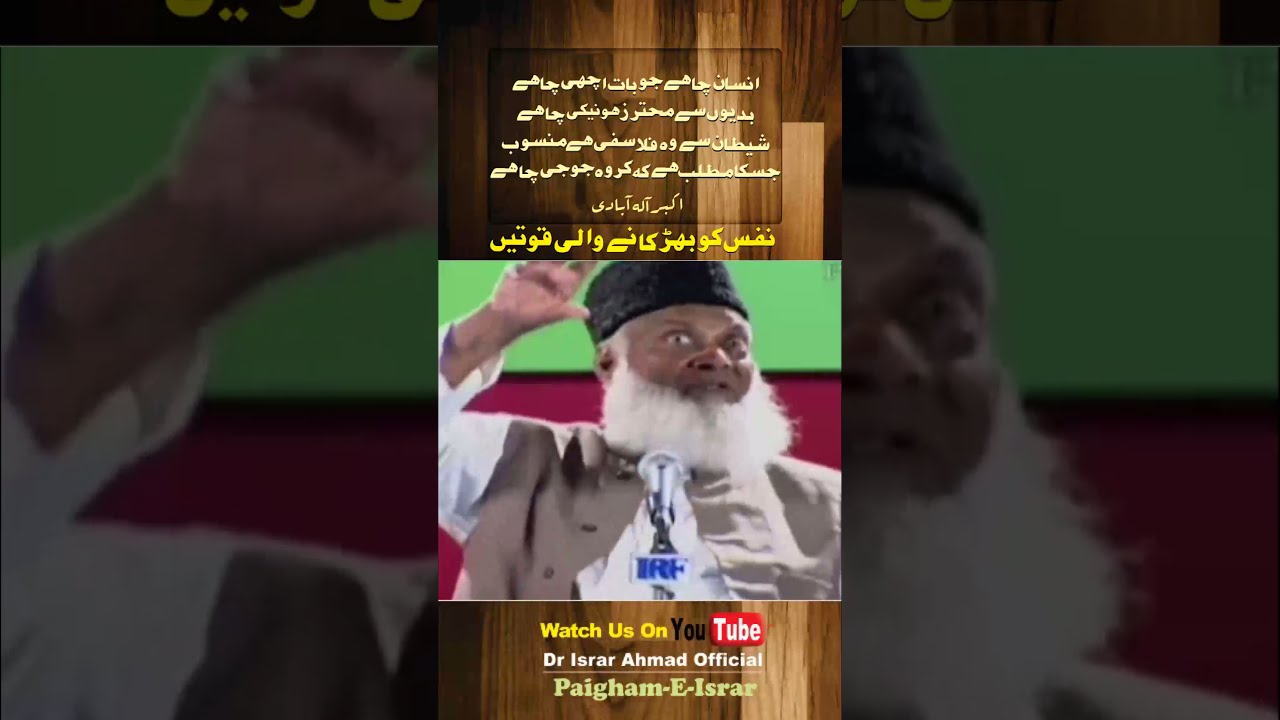
This lecture discusses the internal and external forces that incite the ego (nafs) to evil. It identifies both invisible forces—Satan and his jinn followers—and visible agents among humans who promote immorality as culture. The speaker emphasizes the necessity of actively resisting these pressures and recognizing Satan as an enemy to protect oneself from corruption and maintain spiritual integrity. Succumbing to these influences leads to spiritual decline and moral degradation. The core message is a call to vigilance and proactive opposition against all forms of evil.
56
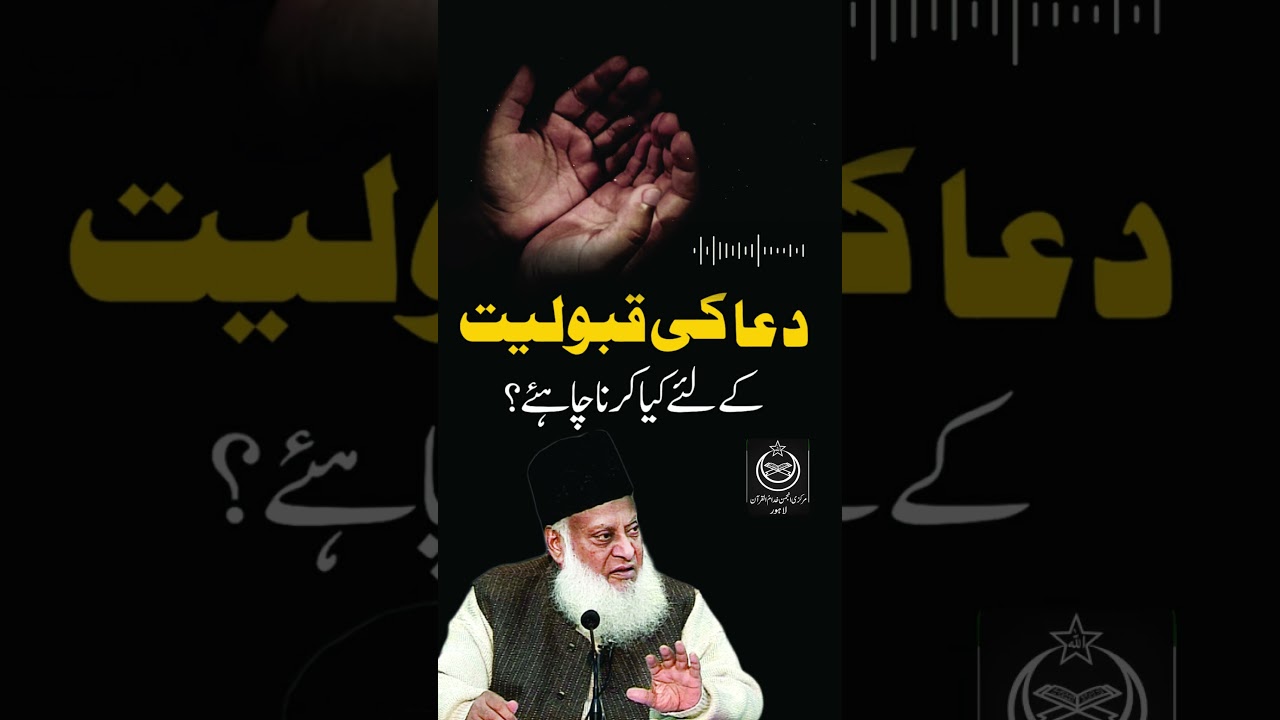
True acceptance of prayer hinges on sincerity and a faithful relationship with God. Dedicate time, resources, and abilities to the faith. Consistent good deeds and supplication are encouraged; there are no restrictions on making dua. Avoid bargaining with God or treating faith as a transaction. Focus on consistent righteousness and a genuine connection with the divine.
58
