Celana pendek
Dr. Israr Ahmad discusses the degree to which adopting modern terminology with Islam is permissible or undesirable. He argues for caution regarding new terms, asserting each carries inherent connotations inseparable from its meaning. However, he acknowledges effective communication requires utilizing contemporary language to reach modern audiences, advocating for a balanced approach – using current terminology for conveyance but avoiding rigid adherence to it.

44
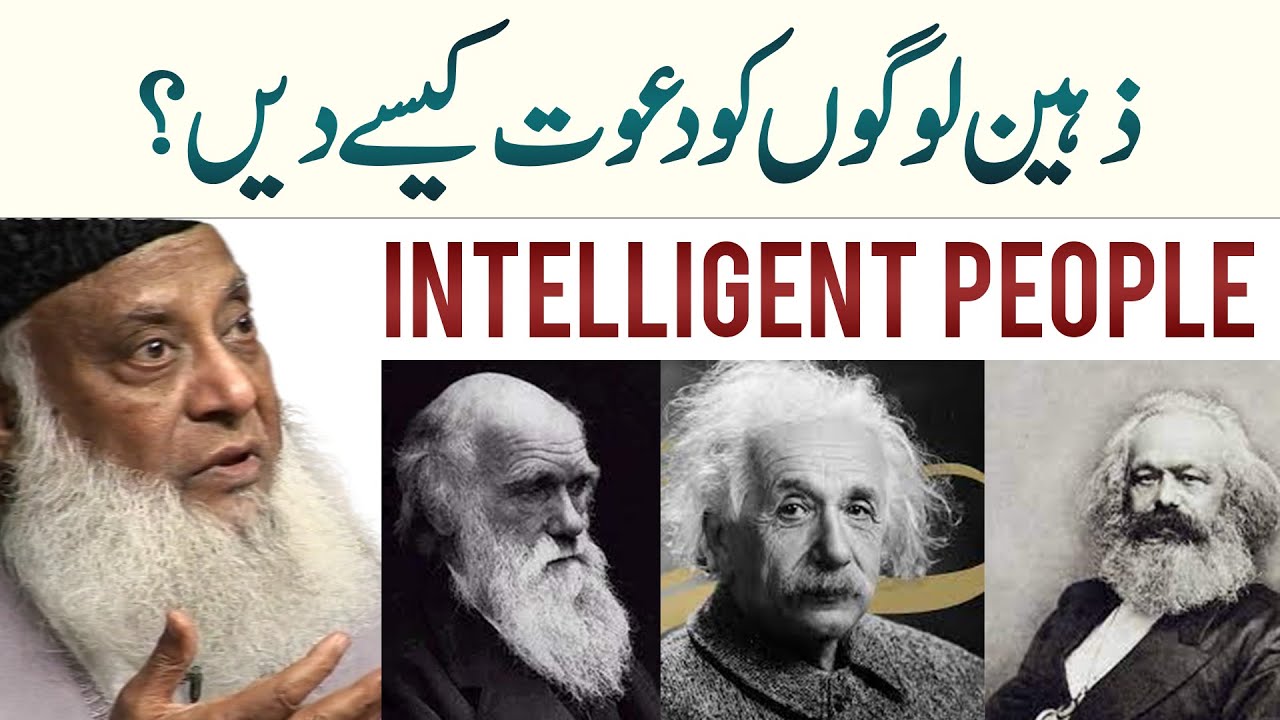
The lecture addresses the necessity of clearing the mind of conflicting ideologies, specifically Darwinian evolution and other Western philosophies, before accepting Islamic teachings. The speaker emphasizes that preconceived notions and intellectual impurities act as barriers to true understanding of religious concepts like the story of Adam and Iblis. He critiques the influence of thinkers such as Darwin, Freud, Marx, Adler, Bertrand Russell, and Sartre on contemporary thought, asserting that these philosophies obstruct a clear reception of Islamic principles. The speaker highlights the importance of intellectual purification to facilitate genuine faith and understanding.
45

The text highlights a unique distinction granted to Prophet Muhammad (peace be upon him). The Quran uses specific phrasing – “Rasool Allah” – exclusively for him, while other prophets are described with various roles like witness, herald, example, caller, messenger, teacher, trainer, and helper. This emphasizes his singular status as the final messenger of God.
100
Buying and selling shares in a company is permissible for a Muslim if the company conducts legitimate business. However, involvement with a company that manufactures alcohol is prohibited, making any shareholding or trade in it unlawful. Speculation within stock exchanges is also considered haram. Basic share trading itself is not forbidden, but additional complexities can render it impermissible.
103

This lecture emphasizes the importance of fulfilling one’s obligations to relatives, particularly widows and orphaned children. It stresses prioritizing the rights of those most deserving, especially when dealing with family disputes and potential grievances. The speaker advocates for giving with sincerity, solely for the pleasure of God, and acting justly towards all, even those who may be antagonistic. Prioritizing divine acceptance over personal vengeance is central to the message. It calls for fulfilling obligations and addressing the needs of those deprived of support.
41

Human beings, like all animals, are driven by fundamental needs: sustenance and procreation. These base desires, originating from the *nafs* (ego/self), are inherently amoral, demanding satisfaction without regard for ethical considerations like *halal* (lawful) or *haram* (unlawful). The Quran emphasizes the need to control these primal urges. The human self is a source of both potential and temptation, requiring spiritual guidance and discipline to avoid succumbing to base instincts. This lecture explores the nature of these desires and the importance of self-control in Islam.
66
