短裤

This lecture discusses the true essence of *a’etiqaaf* (seclusion in a mosque for worship), emphasizing it as the peak of devotion during Ramadan. The speaker clarifies that *a’etiqaaf* is not a social gathering or a time for frivolous activities like card games. It's a period for intense personal connection with God through solitude, contemplation, Quran recitation, remembrance of God, and voluntary prayers. The lecture stresses that the purpose of *a’etiqaaf* is to attain closeness to God, not to socialize with people, and highlights its significance as the culmination of Ramadan's spiritual journey.

51
This lecture explores the profound meaning of ‘La Ilaha Illallah’ (There is no god but Allah) and its connection to genuine faith. It clarifies that merely reciting Arabic phrases is insufficient; true belief originates from a deep, internal conviction. The speaker emphasizes that imitating ancestral practices without understanding is a form of superficiality. Real faith, the lecture asserts, is a personal affirmation arising from the heart, encompassing belief in Allah, the Messenger, the Quran, Gabriel, and the Day of Judgement. This internal validation is the foundation of genuine Iman.
87

Dr. Israr Ahmad explains that God desires ease, not hardship, for his followers. The lecture addresses a misguided perception of piety where individuals stubbornly adhere to fasting even in conditions of extreme physical strain, such as during travel or illness. This rigid adherence, he argues, stems from a flawed understanding of religious obligation and fosters extremism. True faith, according to Dr. Ahmad, prioritizes ease and practicality, aligning with God’s desire for simplicity. The lecture highlights the importance of balancing religious observance with physical well-being and common sense.
76
This reflection acknowledges the inevitability of setbacks and failures in life's endeavors. It encourages proactive preparation for hardship, framing success as a bonus rather than an expectation. The core message emphasizes continuous effort and resilience, even in the face of repeated disappointments. It advocates for persistent work, nurturing hope, and seeking divine assistance, recognizing that struggle is a constant companion to growth and progress. The text urges acceptance of life's cycles, suggesting that after every loss, preparation for the next beginning is essential.
60

This lecture discusses the importance of prioritizing the afterlife over worldly pursuits. It emphasizes that those solely focused on immediate gains neglect the true purpose of life. The speaker highlights that fulfilling parental duties, like maintaining their graves, is commendable but ultimately secondary to striving for eternal reward. The core message centers on verses from Surah Bani Israel, detailing the swift provision of worldly desires for those who seek them, contrasted with the enduring reward promised to those who dedicate themselves to the hereafter and consistently strive for it. The lecture underscores the difference between immediate gratification and lasting spiritual fulfillment.
42
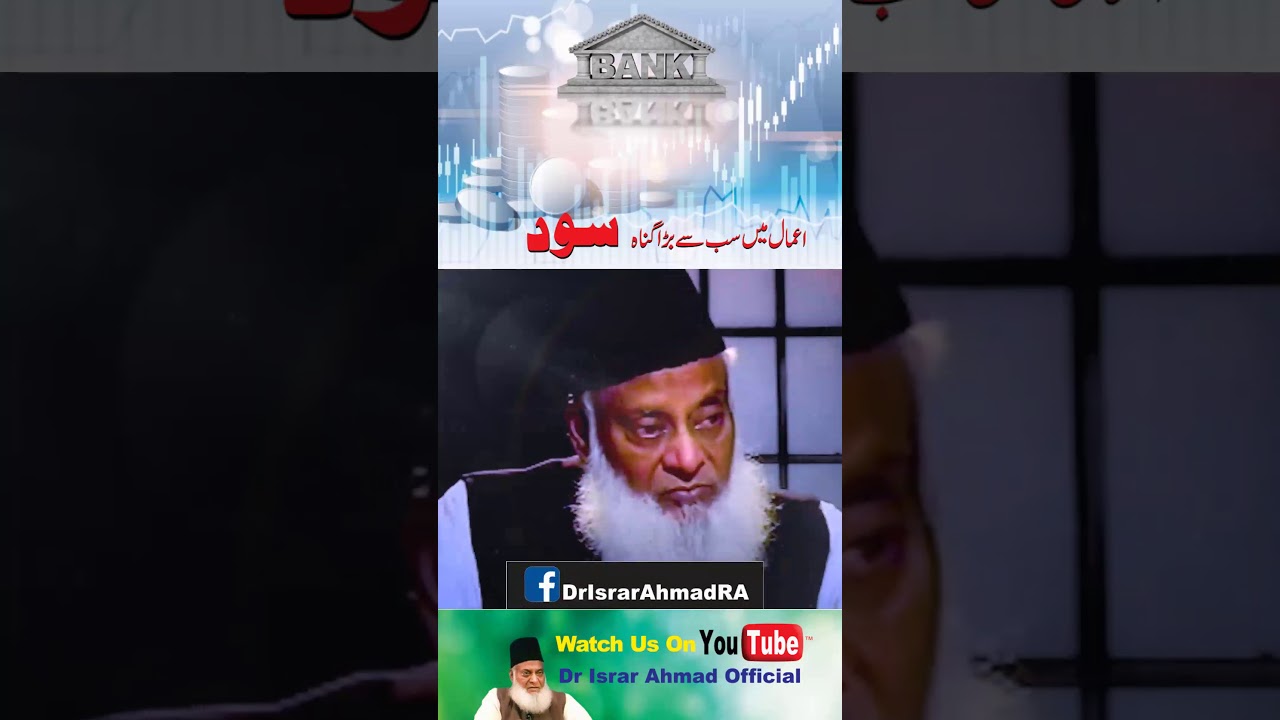
According to revealed scriptures, the gravest sin is usury (interest). Shirk (associating partners with God) is unpardonable. The Quran states God does not forgive associating partners with Him, but forgives lesser sins to whomever He wills. Usury, declared as warfare by God and His Messenger, has become central to modern economic systems like banking and capitalism.
94
