Kratke hlače
This lecture addresses the dangers of linguistic and cultural biases, clarifying that regional, ethnic, and linguistic identities are not inherently sinful. It emphasizes that every culture and language has a right to flourish, provided any elements conflicting with Islamic teachings are removed. The lecture highlights the unique status of the Arabic language not due to its speakers, but because it is the language of the Quran and the sayings of the Prophet Muhammad, making its study essential for direct understanding of religious texts. It cautions against exclusionary attitudes based on language or culture, likening such behavior to a useless tool.

70

This lecture explores the concept of spiritual and emotional healing as presented in the Quran, specifically referencing verses from Surah Yunus. It identifies the root causes of spiritual ailments – including disbelief, polytheism, arrogance, envy, and excessive attachment to worldly possessions like wealth, status, children, and life itself. The lecture emphasizes that these attachments are instigated by Satan and are the source of inner turmoil. It posits that true healing comes through recognizing and detaching from these harmful inclinations, leading to inner peace and spiritual well-being.
57
This lecture explains the concept of *istidraj*, a subtle form of divine punishment where a disbeliever experiences worldly success as a prelude to a harsher reckoning. It details how Allah allows those who reject His signs to accumulate blessings, not as a reward, but to increase their future condemnation. The lecture highlights the danger of mistaking worldly success for divine favor when one is actually straying from the truth. This deception leads individuals to believe they are on the right path while descending further into error. The process involves a gradual increase in sin, masked by apparent prosperity, until the person reaches a point of no return.
59
This lecture discusses the profound knowledge of Quranic interpretation possessed by Hazrat Abdullah Ibn Abbas, a prominent companion of the Prophet Muhammad. He received special prayers from the Prophet for understanding of religion and deep comprehension of the Quran. Abdullah Ibn Abbas is considered a leading authority on Tafsir, with a significant number of narrations attributed to him through his students like Mujahid and Ikramah. The term 'Habr', meaning a highly knowledgeable scholar, is explained in relation to his status as 'Habr al-Ummah', the scholar of the Muslim community. The lecture also clarifies the origin of the term 'Habr' and its historical context regarding scholars of other faiths.
116
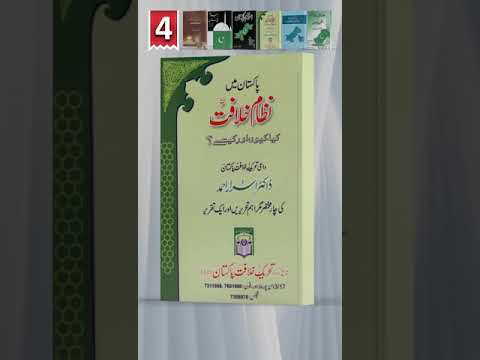
This collection of lectures by Dr. Israr Ahmad addresses critical questions about Pakistan’s history, ideology, and future. Topics include the legacy of the founder of Tanzeem-e-Islami, the viability of a caliphate system, the historical and political context of Islam in Pakistan, the factors contributing to Pakistan’s instability, and the reality of the Pakistan Ideology. The set also features Dr. Ahmad's analysis of Pakistan's political landscape from 1977 to 1987. Available for ₨1200 (originally ₨1900) from Maktaba Khuddam-ul-Quran, Lahore. Home delivery is free with cash on delivery. Order online at www.maktaba.com.pk or WhatsApp at 0301-1115348.
62
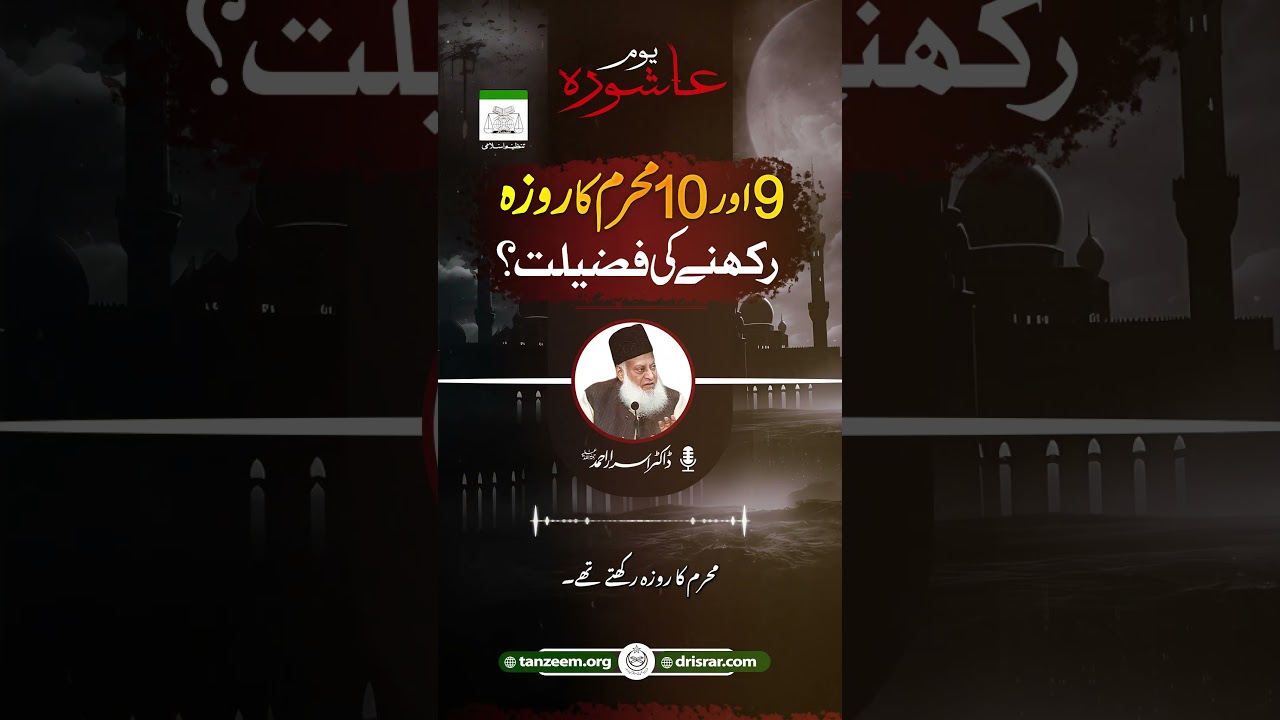
The observance of fasting on the 9th and 10th of Muharram is a recommended practice. It originated from the Prophet Muhammad’s desire to distinguish the Muslims from the Jewish community of Medina, who fasted on the 10th of Muharram commemorating their liberation from Pharaoh. The Prophet, acknowledging a stronger connection to Moses, instructed his companions to fast for two days – the 9th and 10th – instead of one. While not obligatory, this practice holds significance as a voluntary act of worship and a demonstration of the Muslim community's unique identity.
96
