Shorts
This lecture clarifies Islamic perspectives on marriage, contrasting them with prevalent Hindu customs. Islam encourages marriage ceremonies to be held in mosques, with the groom’s family hosting the celebratory feast. The bride’s family is not expected to host a separate event. Furthermore, Islam does not recognize the concept of dowry, as daughters are considered equal inheritors alongside sons, receiving their share of the family estate upon division of assets. This ensures financial security for the daughter without the need for a dowry.

66
It is a universally acknowledged truth that among all books claiming divine origin or containing the word of the universe’s creator, only the Quran maintains complete textual integrity. No other scripture has remained fully preserved in its original form. All other claimed divine texts have undergone alterations or lack complete historical corroboration of their original content. This lecture details the unique preservation of the Quran.
55
The observance of fasting on the 9th and 10th of Muharram is a recommended practice, not obligatory. This practice originated when the Prophet Muhammad learned that the Jews of Medina fasted on the 10th of Muharram to commemorate their deliverance from Pharaoh. The Prophet, affirming a greater connection to Moses, instructed his companions to fast for two days – the 9th and 10th – to distinguish the Muslim practice from that of the Jews. This two-day fast signifies a deliberate divergence from the Jewish tradition, while simultaneously honoring the historical event and recognizing the importance of Moses.
56
True faith necessitates prioritizing devotion to God above all else, even familial bonds. This lecture explores the conditions for attaining genuine faith, emphasizing that complete obedience to God is a continuous struggle against internal desires and external temptations. Four fundamental acts of worship are presented as pillars supporting a life of sincerity and devotion. The lecture stresses the difficulty of this pursuit, acknowledging the influence of the self and the constant efforts needed to overcome worldly inclinations. Genuine worship demands a wholehearted commitment, transcending mere ritualistic observance.
56
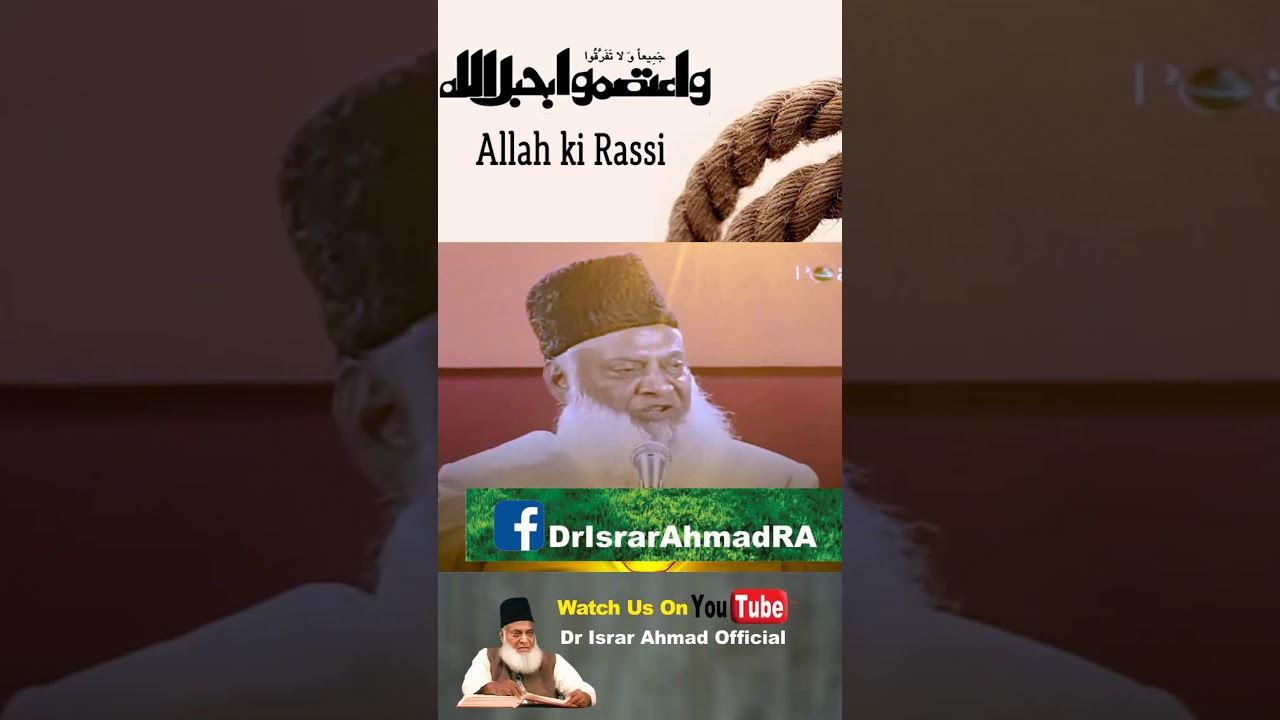
The Quran is presented as the direct connection, or ‘rope,’ between Allah and humanity. It’s the primary means of achieving nearness to Allah. This connection is twofold: one end is within our grasp, allowing us to act upon its guidance, while the other end is held by Allah, signifying divine support and blessing. The lecture emphasizes that the Quran is not merely a book, but a living pathway to spiritual closeness with Allah, offering guidance and facilitating a deep, personal relationship with the Divine.
124
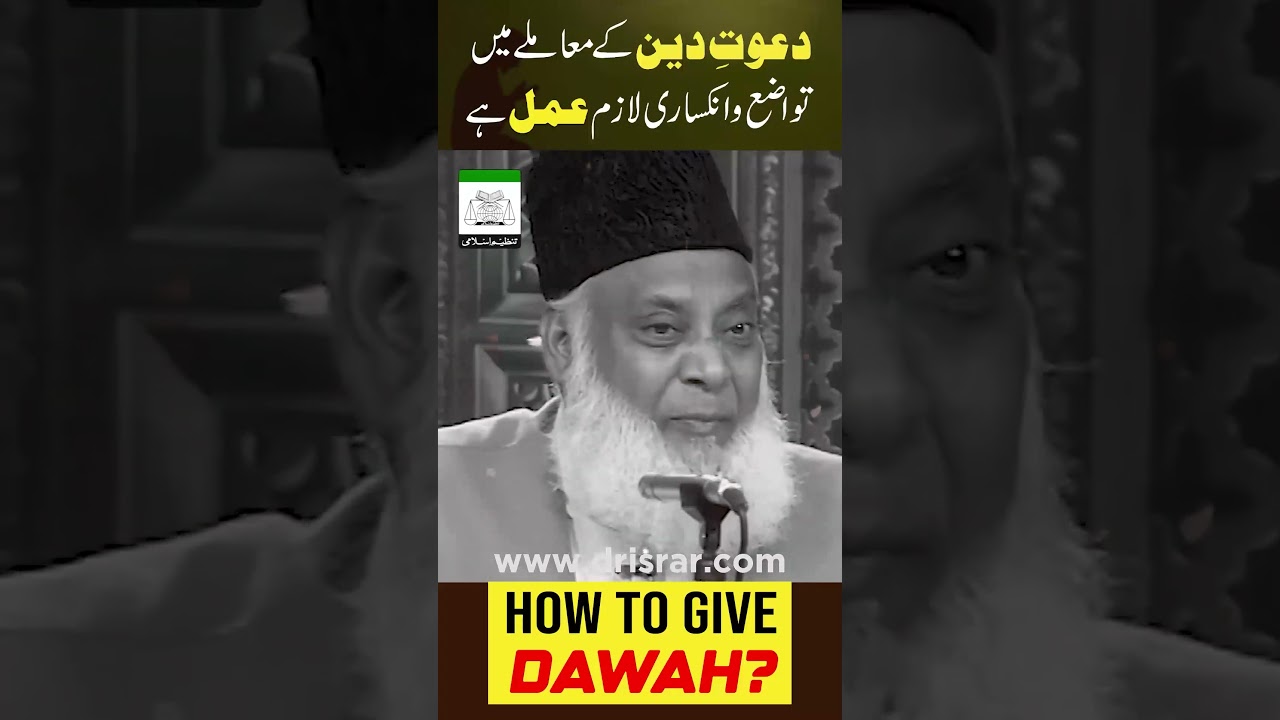
This lecture emphasizes the importance of humility and righteous actions as essential components of faith. True believers do not boast or consider themselves superior. Instead, they recognize themselves as part of the larger Muslim community and maintain a humble disposition. Just as a fruit-laden branch bends low, those blessed with good deeds should exhibit modesty. Condescension towards others negates the impact of one's message. The speaker advocates for hating sin, not the sinner, recognizing that individuals struggling with wrongdoing are in need of compassion and treatment, not condemnation. True believers show empathy and understanding towards those who err, understanding them as patients in need of care.
48
