Kurze Hose
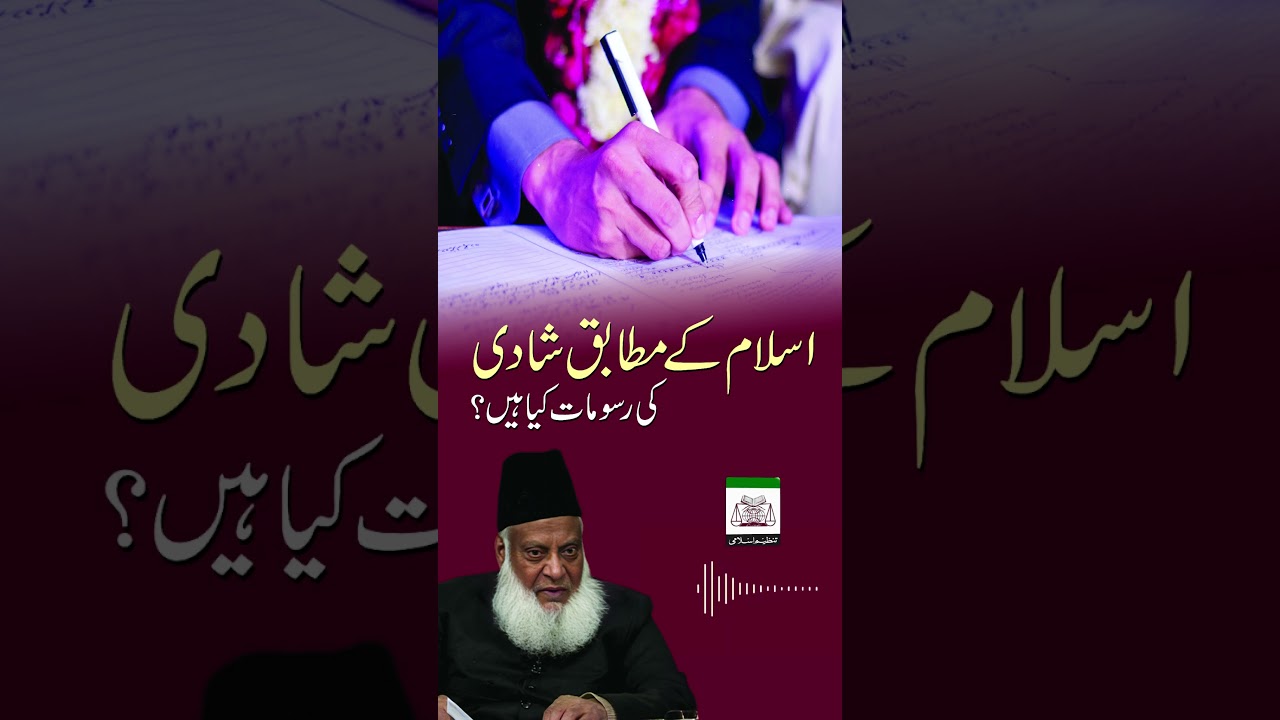
This lecture clarifies Islamic perspectives on marriage, contrasting them with prevalent Hindu customs. Islam encourages marriage ceremonies to be held in mosques, with the groom’s family hosting the celebratory feast. The bride’s family is not expected to host a separate event. Furthermore, Islam does not recognize the concept of dowry, as daughters are considered equal inheritors alongside sons, receiving their share of the family estate upon division of assets. This ensures financial security for the daughter without the need for a dowry.

66

This lecture emphasizes the importance of financial moderation, differentiating between frugality and extravagance. Extravagance is considered more detrimental than miserliness, defined as unnecessary expenditure beyond genuine need. The speaker cites the example of simple sustenance—bread and a single dish—as sufficient, contrasting it with excessive displays of food. The lecture strongly condemns wasteful spending motivated by showing off wealth, such as lavish homes with excessive electricity consumption, labeling it a grave sin. The core message promotes a balanced approach to spending, prioritizing necessity over ostentation.
39

This lecture explores the interplay between divine decree (taqdeer) and the efficacy of prayer (dua). It clarifies that while Allah has knowledge of all outcomes, sincere supplication can influence events within the bounds of His will. The discussion addresses whether good deeds and prayers can increase blessings or mitigate difficulties ordained by Allah. It also explains the concepts of fixed and suspended decree, and how human actions, both righteous and otherwise, impact one's sustenance and blessings. Finally, it highlights that increased blessings can also manifest as greater barakah (divine blessing) within existing provisions, stemming from contentment and divine grace.
32

This lecture details the fundamental beliefs of Islam, categorized into three main areas: faith in Allah (Tawhid), faith in the Hereafter (Akhirah), and faith in the Day of Judgment and life after death. It explains core tenets like belief in Allah, angels, divine books, prophets, the finality of prophethood, the Quran as the final revelation, life after death, Paradise, Hell, accountability, and divine decree. These beliefs are metaphysical and transcend the realm of sensory experience, forming the foundation of a Muslim’s worldview and guiding principles.
56
God states that direct communication is possible without intermediaries. Acceptance of His commands and adherence to His teachings are essential for answered prayers. He is ever-forgiving and accepts repentance. God responds to every call for help, but requires obedience, attentive listening, sincere belief, and practical implementation of His guidance. He is the most merciful and responds to those who turn to Him with sincerity and commitment.
74

This lecture emphasizes prioritizing investment in the afterlife over worldly possessions. It explains that material wealth is vulnerable to loss and decay, whereas rewards in the afterlife are secure and immeasurably greater. The speaker contrasts the limited returns of earthly banks with the infinite blessings of divine investment. He warns against attachment to worldly wealth, which distracts the soul and hinders spiritual growth, and encourages listeners to focus on accumulating rewards that endure eternally. The lecture draws a parallel between where one’s wealth is stored and where one’s heart resides, suggesting that focusing on the afterlife frees the soul and draws it closer to God.
54
