短裤
Human personality is comprised of two essential aspects: knowledge and thought, and action and character. These two are inextricably linked; a person’s beliefs and ideas manifest in their actions, ethics, and dealings. Correct action stems from sound thinking; flawed foundations lead to flawed outcomes. Limited thought results in limited action and character. A skewed initial approach inevitably leads to a distorted final result.

36

This lecture explores the Prophet Muhammad’s (peace be upon him) acknowledgement of uncertainty regarding the timing of divine victory. The Quranic verses cited reveal that even the Prophet did not know whether the promised events were imminent or distant. This highlights a crucial understanding: knowledge of the unseen rests solely with God. The lecture emphasizes that such knowledge is not granted to even the most revered messengers, and that uncertainty about the future is a natural human condition. The verses also suggest that trials and tribulations may be part of the divine plan, serving as both tests and opportunities for growth. The core message is acceptance of divine will and a focus on present action rather than speculation about the future.
39
Universal moral principles are consistent across all religions, philosophies, and cultures. These include the inherent goodness of truthfulness, promise-keeping, fulfilling needs, honoring parents, and the inherent wrongness of lying, breaking promises, being dismissive, and neglecting parental duties. These foundational ethical guidelines are present in every society, consistently emphasized throughout history.
49
Hares Ahshari reports that the Messenger of Allah commanded Muslims to adhere to five principles: maintaining unity and cohesion within the community, obedience to leadership, migration for the sake of faith, and striving in the path of God. This directive, relayed by the Prophet, is not of his own volition but a direct command from God. These principles are essential for the strength and progress of the Muslim community, ensuring collective action and spiritual advancement. The report emphasizes that these are divine instructions, communicated through the Prophet, and should be followed diligently.
51

This lecture explores the name Al-Adl (The Just) of Allah, as found in Surah Al-Imran. It explains that justice is a fundamental attribute of God, present within the ninety-nine names revealed through the teachings of the Prophet Muhammad, as narrated by Abu Huraira. The discussion clarifies that while many divine names are expressed through different grammatical forms, the core essence of justice remains absolute and foundational. The speaker addresses the limitations of human language when attempting to define divine attributes, acknowledging that terms like ‘embodied’ or ‘form’ are unsuitable for God but necessary due to vocabulary constraints.
52
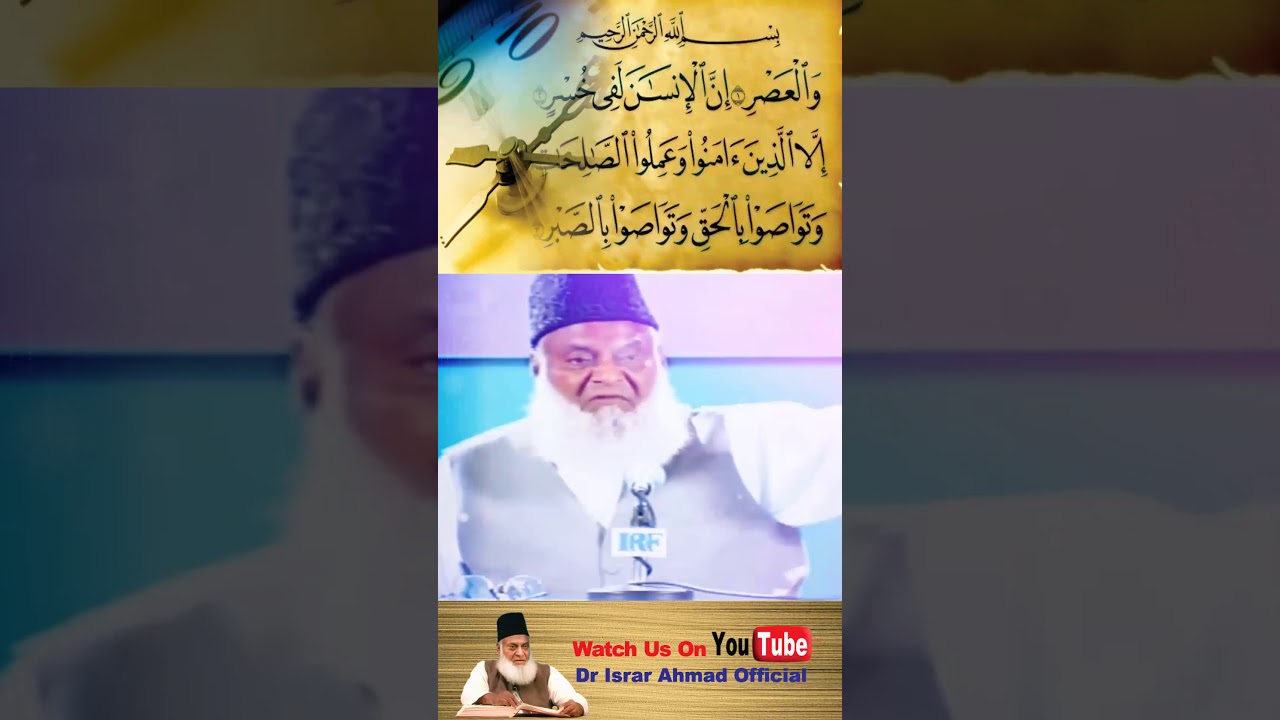
Humanity, universally, is in loss. Salvation is achieved through four essential conditions: faith, righteous deeds, advocating truth, and encouraging good conduct. These are not merely recommendations, but fundamental requirements for achieving deliverance. Without fulfilling these conditions, true salvation remains unattainable. This lecture details these prerequisites for spiritual success and a meaningful life.
217
