Corti
Humanity has been created in the best form, but when individuals descend to a bestial level, they become worse than animals. This lecture explores the inner self—the spiritual personality that perceives beyond the physical senses of sight, hearing, and intellect. It emphasizes the role of the heart in true understanding and perception, contrasting it with reliance solely on rational thought. This inner being witnesses, hears, and contemplates not through eyes or ears, but through the heart.

50
This lecture emphasizes prioritizing the afterlife while fulfilling worldly needs. It stresses reliance solely on Allah, avoidance of major sins, controlling anger, establishing a heart connection with Allah through prayer, seeking counsel, and dedicating wealth to the cause of Allah. The speaker advocates a balanced life focused on spiritual preparation and righteous action.
62
Dr. Israr Ahmad discusses the pervasive influence of immoral culture and its detrimental effects on society. He highlights how obscenity is being normalized and propagated through media, infiltrating even private homes. The lecture emphasizes the urgent need to recognize and address this growing crisis, as it threatens the moral fabric of communities and families. Dr. Ahmad critiques the deceptive branding of immorality as something acceptable, and warns against its insidious spread.
64

Success and failure are defined not by worldly status or wealth, but by faith, righteous deeds, perseverance, and truthfulness. A person lacking worldly possessions may hold a high position in the eyes of God, and their oaths will be honored. True success lies in maintaining faith and performing good deeds even in times of hardship and poverty. Being poor or unknown is not a detriment if one remains steadfast in belief and practice.
55
This lecture explores the concept of self-awareness and its connection to recognizing the Divine. It emphasizes that true identity lies beyond superficial characteristics and material possessions. The speaker explains that neglecting self-knowledge leads to spiritual forgetfulness and a loss of one’s true potential. Recognizing one’s inner self is presented as the key to knowing God. The discussion underscores the importance of not becoming like those who have forgotten God and, consequently, lost themselves.
78
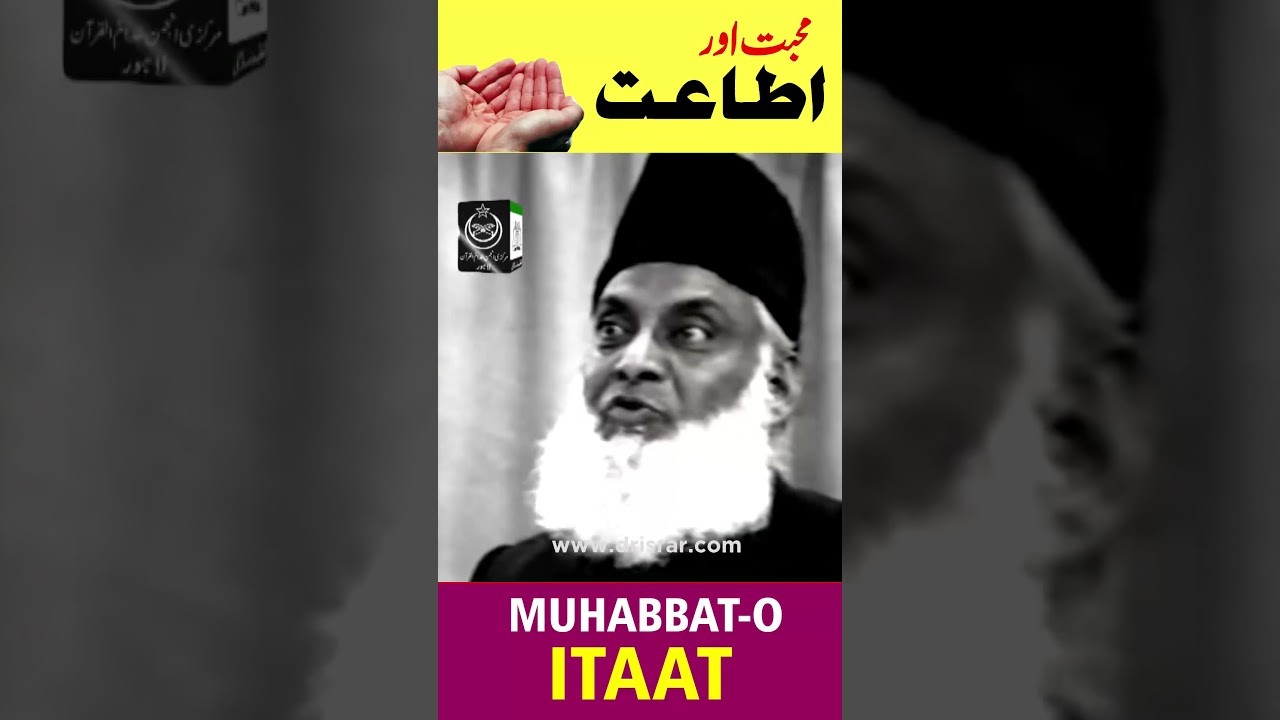
The essence of worship lies in the interplay between love and obedience. Obedience represents the visible form of worship, while love is its underlying spirit. True worship stems from a genuine affection for the Divine, transforming acts of obedience into meaningful devotion. Without love, obedience becomes a mere formality, potentially driven by compulsion, pretense, or self-interest. The body exists because of the soul; similarly, worship exists through the spirit of love. Love animates obedience, giving it life and sincerity. Without this animating force, obedience remains an empty shell.
46
