Quần short
Life is a continuous test of both human nature and intellect. Recognizing God is the initial trial, followed by steadfastness in obedience. True belief necessitates complete adherence to divine commands and abstinence from prohibitions, even in the face of adversity. This principle of unwavering commitment has been a constant throughout history, exemplified by the trials faced by prophets like Ibrahim. God consistently tests those who come before us, and remembering these trials offers guidance and strength.

50
Dr. Israr Ahmad discusses the degree to which adopting modern terminology with Islam is permissible or undesirable. He argues for caution regarding new terms, asserting each carries inherent connotations inseparable from its meaning. However, he acknowledges effective communication requires utilizing contemporary language to reach modern audiences, advocating for a balanced approach – using current terminology for conveyance but avoiding rigid adherence to it.
44
We live under the illusion of possessing faith when, in reality, we hold mere beliefs passed down through generations, a bundle of inherited convictions stored within our communities. True faith, or *iman*, is characterized by certain knowledge—knowledge of certainty, experiential certainty, and the certainty of truth. This certainty is a connection, a realization of being observed by God, a presence felt deeply. It encompasses belief in life after death, in Paradise and Hell, and the fundamental truth that true life resides in the afterlife.
53
The Prophet Muhammad (peace be upon him) stated that honoring someone who promotes innovation (bid'ah) is equivalent to undermining the foundations of Islam. He further warned that supporting a corrupt individual strengthens their wrongdoing and invites divine displeasure, even causing the divine throne to tremble. These teachings emphasize the importance of adhering to authentic Islamic principles and rejecting deviations.
54
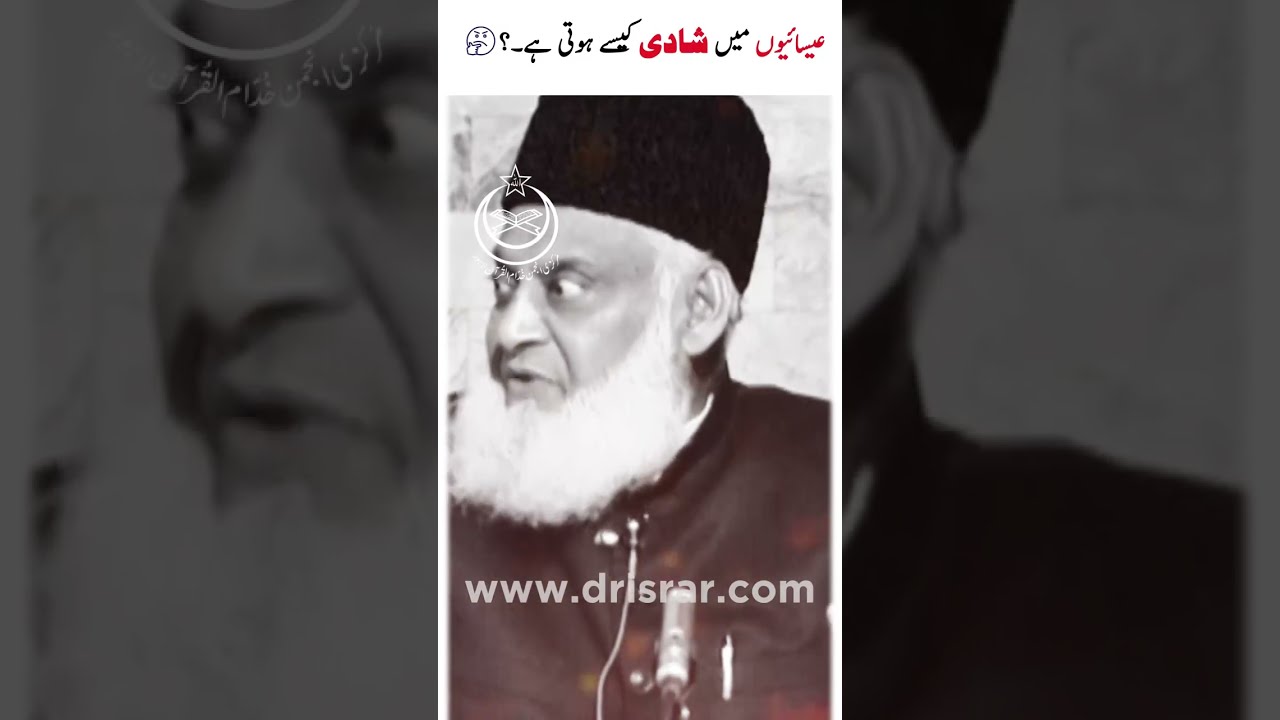
Dr. Israr Ahmad discusses the differences between Christian and Islamic marriage ceremonies. He highlights that in Christian weddings, the bride and groom stand face-to-face before the priest, openly professing their acceptance of each other. This contrasts with the Islamic practice where the bride and groom often remain somewhat secluded during the Nikah. He observes the respect afforded to the church and the priest within the Christian tradition, and contrasts this with the often-devalued position of the Imam or Nikah officiant in some Muslim communities. The lecture emphasizes the importance of dignity and reverence in religious practices.
66
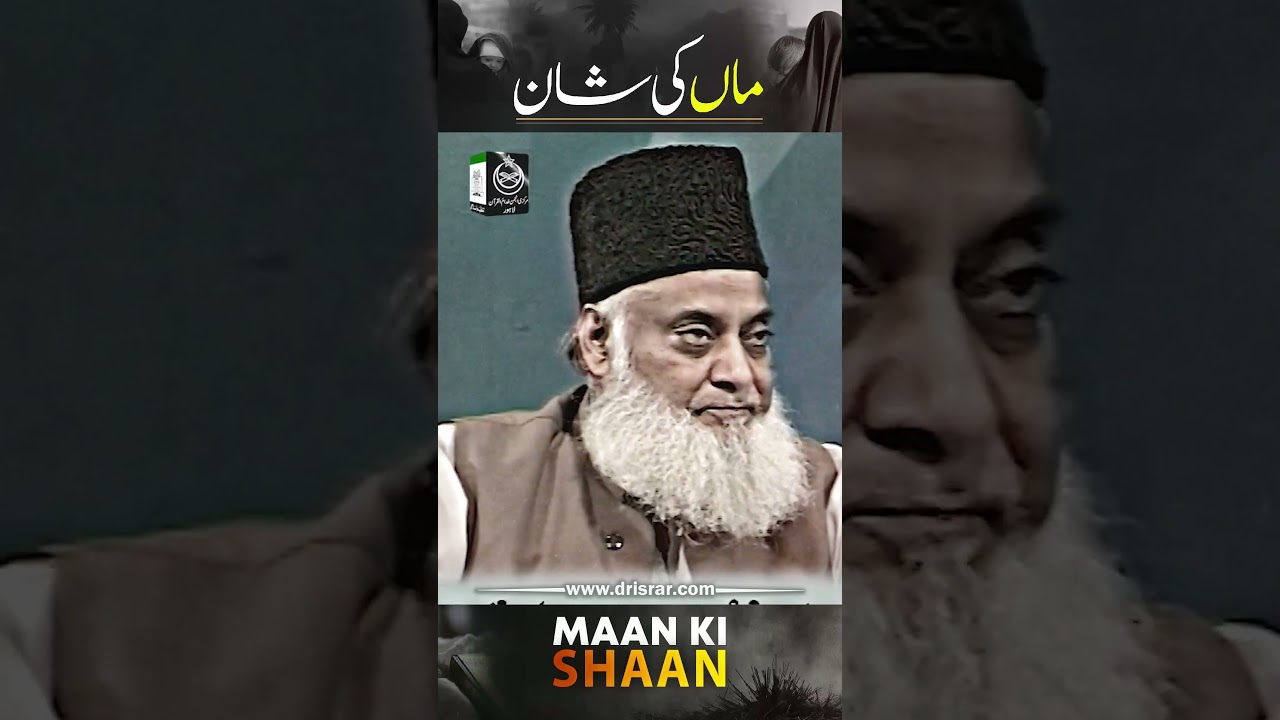
This lecture details the immense sacrifices parents make, particularly mothers, during pregnancy and early childhood. It highlights the physical and emotional burdens mothers endure, from carrying the child in the womb for nine months to nurturing and feeding them for two years. The text emphasizes the profound debt of gratitude children owe their parents, both for their care and as a reminder of our ultimate return to God, mirroring the parent-child relationship. It stresses that acknowledging and appreciating parents is a fundamental aspect of faith and righteousness.
49
