短裤

This lecture discusses the permissibility of a mutual aid system (Imdad Bahawi) specifically for financing Hajj pilgrimage or fulfilling other needs. The system involves contributions from members, and a lottery or similar method determines the order in which members receive funds. It's explained that this is not considered interest-based, as members are simply pooling their resources and receiving funds back in a predetermined order. The lecture highlights the benefit of receiving a lump sum of money, enabling recipients to pursue business ventures or fulfill essential needs.

58
This lecture explores the core concept of prayer (dua) in Islam as a profound encounter between the ego (ana-e-sagheer) and the divine self (ana-e-kabeer). It posits that true prayer involves the annihilation of the smaller self before the grandeur of God. Dr. Israr Ahmad explains that this process of self-effacement allows for a deeper connection with the divine, moving beyond superficial requests to a realization of spiritual unity. The lecture details the journey from a limited, self-centered existence to a state of complete surrender and immersion in the divine presence. It’s a discussion of spiritual refinement and the essence of worship.
77
Dr. Arshad Maqbool discusses the permissibility of marriage to People of the Book (Ahl-e-Kitab) even though they associate partners with God. He clarifies that while Muslims who commit *shirk* remain Muslim but sinful, the category of People of the Book is distinct by divine decree. He highlights that despite the Quran refuting their beliefs, marriage to their women is permissible, based on God's command, not personal preference. This lecture explores the nuances of faith, sin, and divine law in the context of interfaith marriage.
72
Interest (riba) and illicit relationships are major sins in Islam, both considered haram (forbidden). This lecture details the severity of riba, framing it as a declaration of war by God. The speaker emphasizes that even the smallest involvement in riba is comparable to a grave sin. The discussion highlights the comprehensive nature of Islamic law, which demands adherence to the Quran and the teachings of the Prophet Muhammad.
76
True faith necessitates prioritizing devotion to God above all else, even familial bonds. This lecture explores the conditions for attaining genuine faith, emphasizing that complete obedience to God is a continuous struggle against internal desires and external temptations. Four fundamental acts of worship are presented as pillars supporting a life of sincerity and devotion. The lecture stresses the difficulty of this pursuit, acknowledging the influence of the self and the constant efforts needed to overcome worldly inclinations. Genuine worship demands a wholehearted commitment, transcending mere ritualistic observance.
56
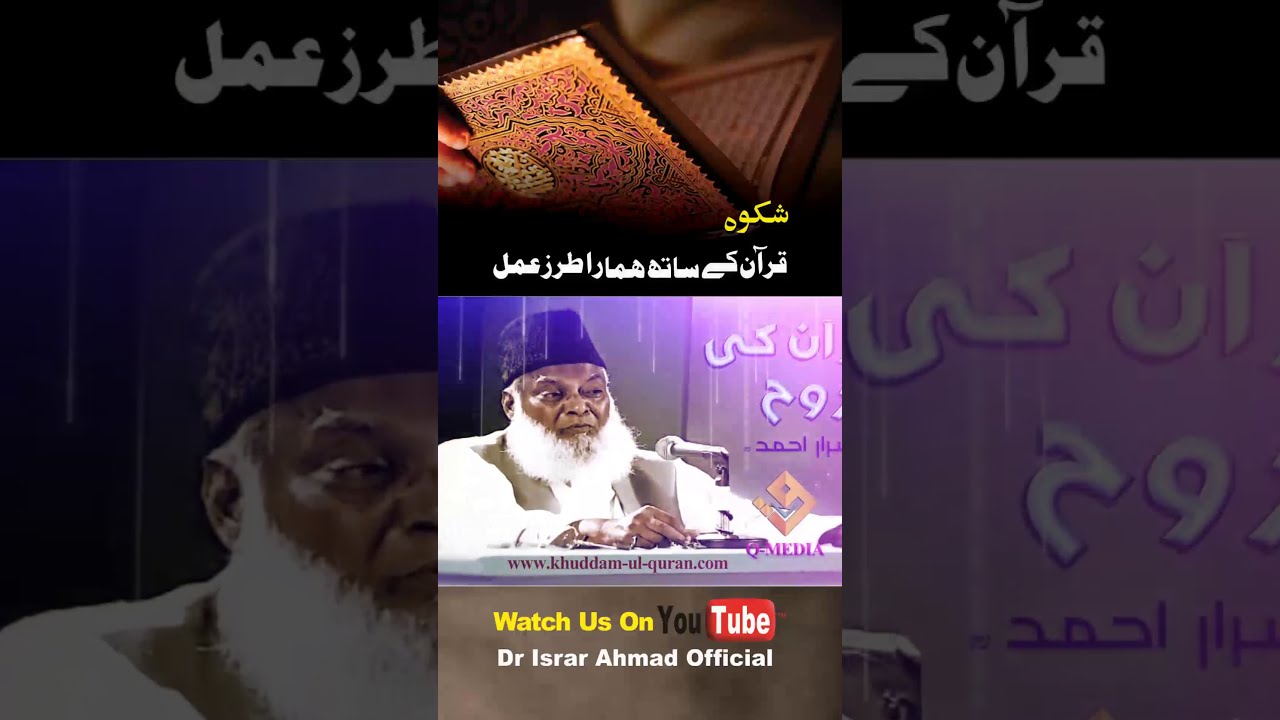
This lecture emphasizes that genuine access to the essence of the Quran is only possible through self-purification. The speaker highlights a lament about humanity’s disregard for this immense blessing – neglecting to read, understand, implement, or make the Quran a guiding principle in life. Instead, many actively reject it, shaping their own unfortunate destiny through denial. The core message is a call to prioritize internal purification to unlock the true meaning and benefits of divine revelation.
609
