Shorts

Maintaining sincerity in good deeds requires constant self-monitoring and deliberate practice. The speaker emphasizes performing acts of charity and prayer discreetly, without seeking recognition or praise. This cultivates a habit of performing good deeds solely for the pleasure of God, strengthening inner sincerity and ensuring that actions are rooted in pure intention. Consistent, unacknowledged good deeds become ingrained as a lifelong practice.

69
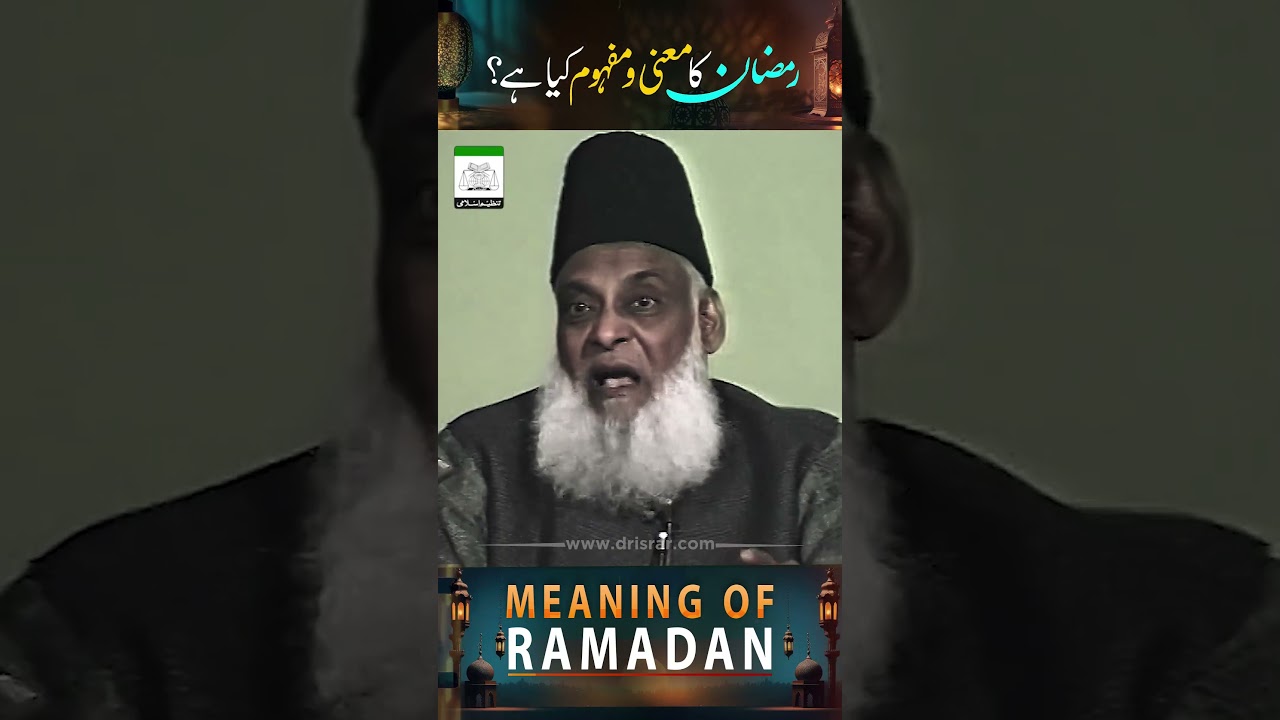
The origins of the name Ramadan are debated. One view connects it to the intense heat that historically impacted the Arabian Peninsula, causing hardship and natural purification. This led to a belief that Ramadan offered a time of spiritual cleansing. Another perspective links the name to one of the names of God, signifying that Ramadan is God's month. This is supported by a saying of the Prophet Muhammad, who identified Sha’ban as his month and Ramadan as the month of God. The purpose of fasting during Ramadan is fundamentally to purify the impurities accumulated within the human body.
60
Humanity represents a unique composite existence, embodying both animalistic and spiritual dimensions. This lecture elucidates the multifaceted nature of humankind, highlighting its inherent duality. The human being is a blend of earthly instincts and divine potential, a ‘concoction’ of both the physical and the ethereal. Understanding this complex interplay is crucial to grasping the deeper wisdom embedded within the Quranic verses. Without recognizing this fundamental truth, the profound and intricate layers of Quranic teachings remain inaccessible.
37
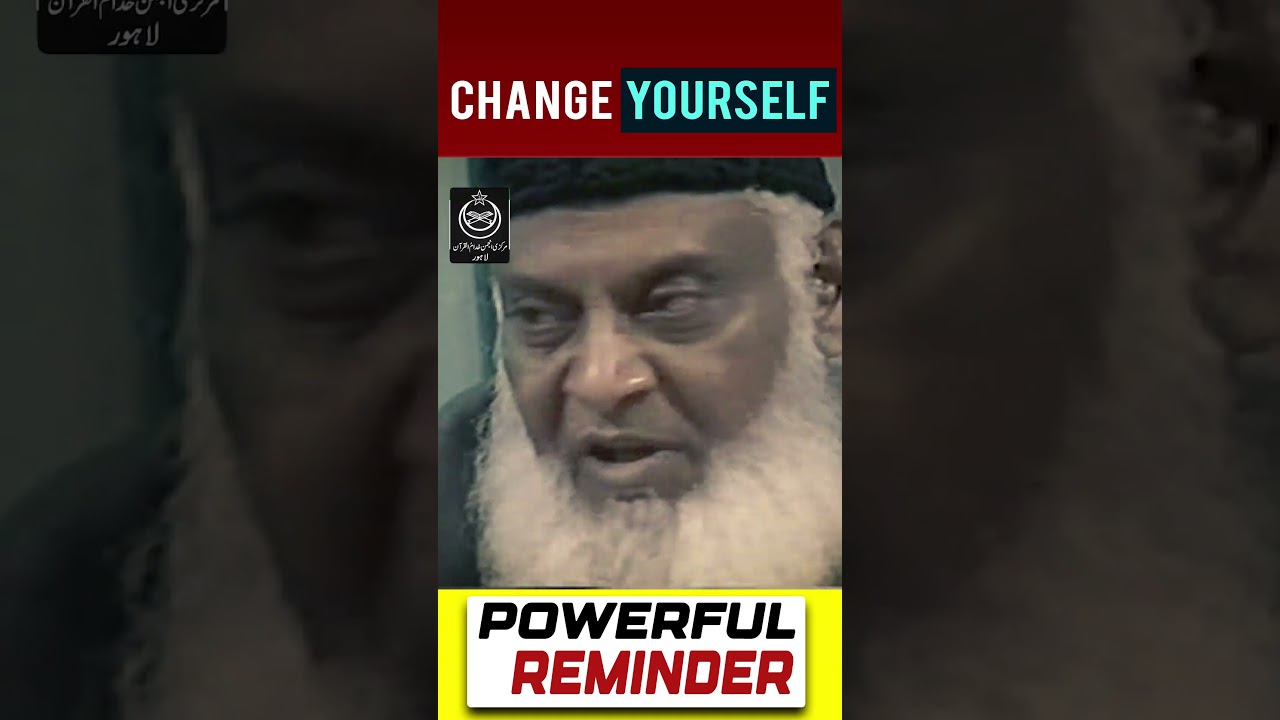
The lecture discusses the diminishing spiritual impact of ritualistic worship, despite the continuation of practices like prayer, fasting, sacrifice, and pilgrimage. It argues that simply performing these acts does not guarantee societal change or personal transformation. The speaker emphasizes that a significant number of pilgrims return from Hajj without exhibiting any noticeable positive impact on their communities or themselves, and some even become more self-assured in their past wrongdoings, feeling free from accountability. The core message is that true worship must lead to genuine inner change and positive societal contribution.
60
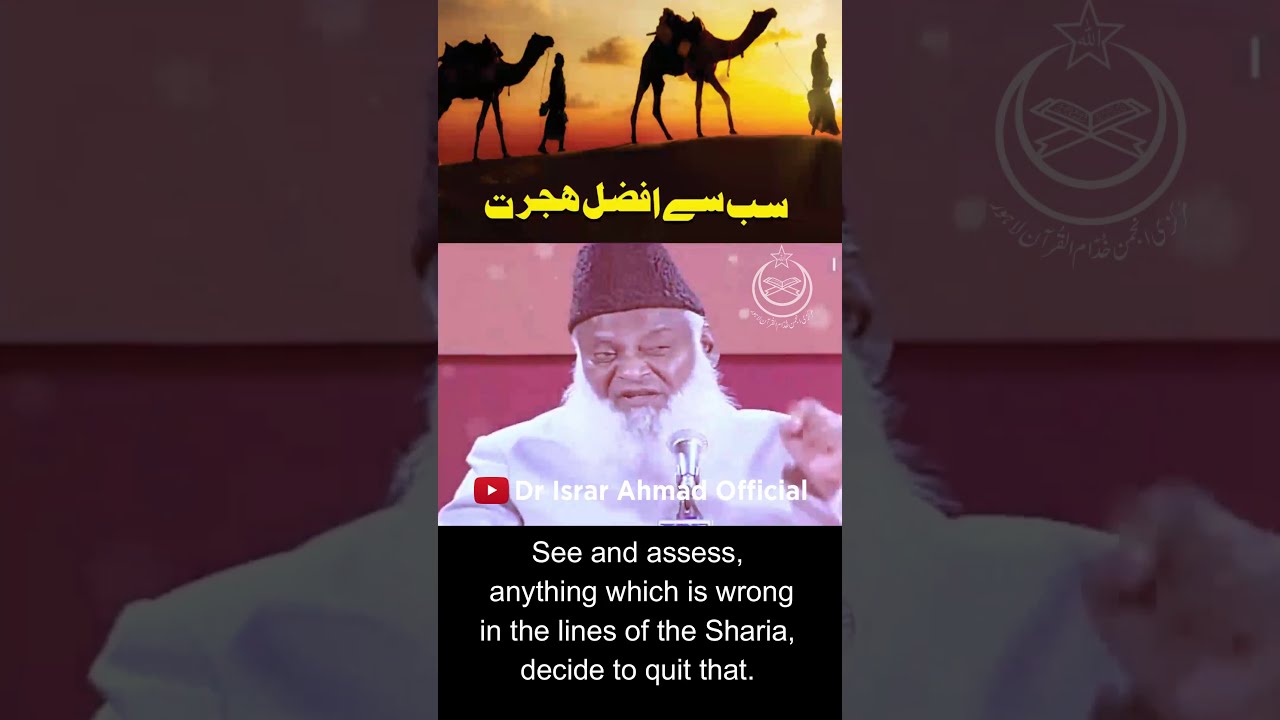
The Prophet Muhammad (peace be upon him) was asked about the most virtuous form of migration. He responded by emphasizing the abandonment of everything displeasing to God. This necessitates a self-assessment to identify and eliminate harmful practices and beliefs, aligning one's life with the spirit of Islamic law. This is the true beginning of migration – an internal purification and commitment to righteous conduct.
68
This lecture emphasizes true repentance (tawbah) as requiring a complete removal of un-Islamic practices from one’s life, family, and economic activities. Superficial displays of religious observance, such as multiple pilgrimages or verbal expressions of regret, are insufficient without genuine behavioral change. The speaker criticizes hypocrisy, particularly continuing interest-based transactions after performing Hajj. True repentance demands a willingness to sacrifice even personal comfort or face hardship rather than compromise on Islamic principles. The lecture also addresses the decline of modesty and the erosion of Islamic values in Pakistan, lamenting the failure to establish a society grounded in Islamic ethics.
88
