شارٹس

Extravagance is a grave sin, defined as spending beyond necessity. Basic needs like food and clothing are sufficient; excessive consumption is wasteful. The text condemns the lavish spending on weddings and displays of wealth motivated by vanity. It draws a parallel between those who squander their resources and the companions of Satan, emphasizing that wasteful spending is a characteristic of those who stray from righteous conduct. The core message is to avoid extravagance and prioritize responsible use of wealth.

71

Imam Ahmad ibn Hanbal narrates a tradition from Maqdad ibn al-Aswad, a companion of the Prophet Muhammad (peace be upon him). During a consultation before the Battle of Badr, Maqdad declared that they were not like the companions of Moses who hesitated to fight, but were followers of Muhammad, ready to obey his command. The Prophet (peace be upon him) then proclaimed a significant prophecy: no dwelling, whether built of brick or tents, will remain where Islam does not enter, either with the honor of acceptance or the disgrace of rejection. This signifies Islam’s inevitable global spread and triumph.
44
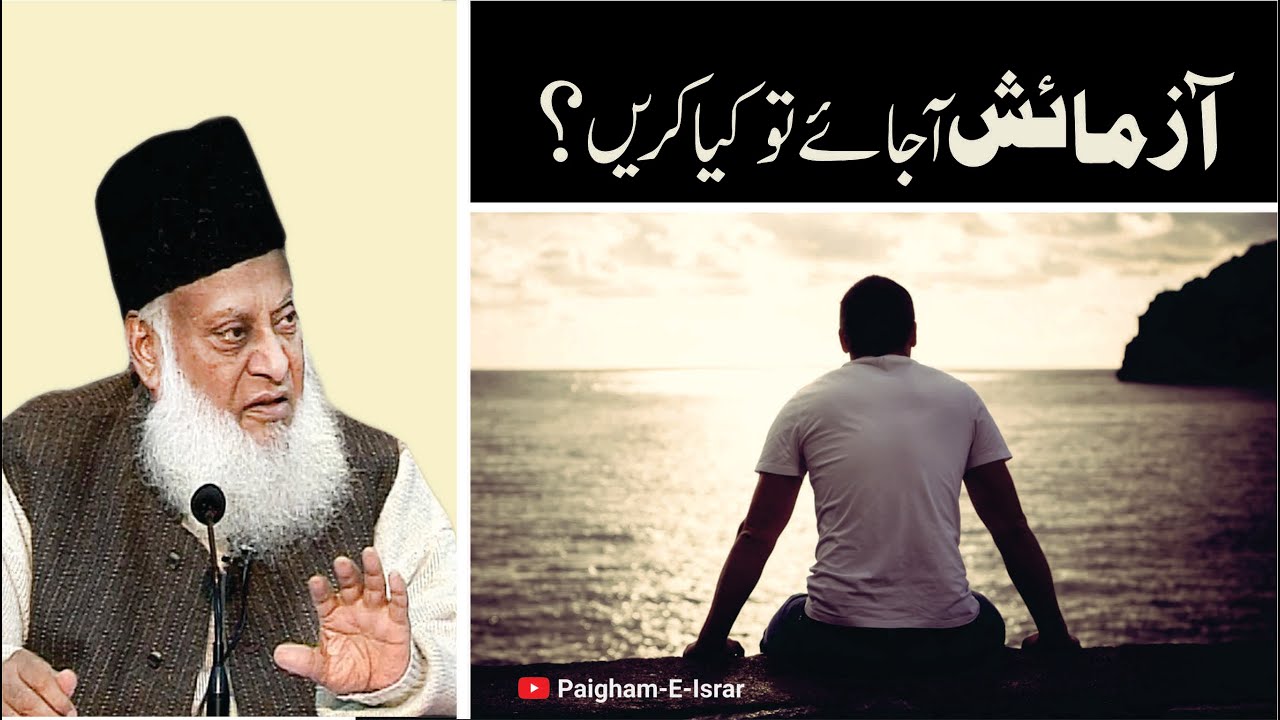
Dr. Israr Ahmad explains that all trials and tribulations, whether on a large scale like natural disasters or personal misfortunes, are part of Allah’s preordained plan, recorded in His knowledge. He emphasizes that nothing happens by chance; everything occurs with Allah’s permission and is within His complete knowledge of past, present, and future. Acceptance of this truth, rather than grief or blame, is the key to peace and resilience. The speaker illustrates this with the story of a Sufi saint who accepted being struck by a stone as a decree from Allah. True understanding means recognizing Allah’s hand in all events and trusting in His wisdom, even when experiencing hardship.
97

Hazrat Ali (RA) narrates that the Prophet Muhammad (peace be upon him) foretold of a great tribulation (fitna). When asked about the means of salvation, the Prophet (peace be upon him) stated that the Quran is the source of guidance. It contains accounts of those who came before and those who will come after, and holds the solutions to all disputes and differences.
71
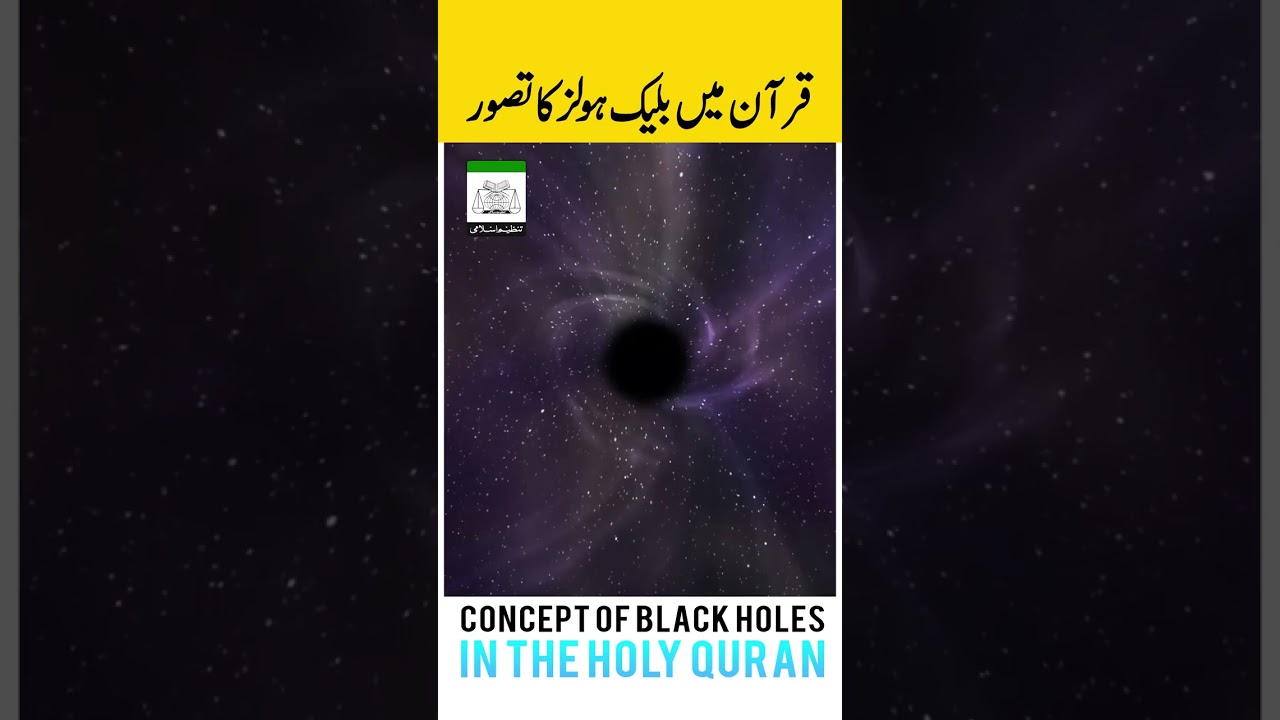
This lecture explores the profound significance of stellar phenomena as described in religious texts. It discusses the locations where stars disappear, emphasizing that the fading of stars represents more than just astronomical events; it symbolizes the disappearance of entire galaxies. The lecture highlights the scale of cosmic events, suggesting that the disappearance of galaxies is a monumental occurrence. It also touches on the concept of lost civilizations and the eventual fate of all things, referencing a great testimony being gradually revealed and a period of waiting associated with these celestial events.
74

The text emphasizes that true life resides in the afterlife, not the material world. It critiques a materialistic focus, stating that people are lost in the pursuit of worldly possessions, mistakenly believing they are achieving something substantial. This pursuit leads to being lost in matter and consumed by materialism, exhausting all efforts within a limited scope. The core message is a rejection of prioritizing worldly gain over spiritual fulfillment and preparation for the afterlife.
49
