Шорты
The lecture details the miracles of Prophet Moses (peace be upon him), focusing on the well-known miracles of his staff and the white hand. It further elaborates on seven additional miracles mentioned in the Quran, revealed to Pharaoh and his people. These include the splitting of the sea with his staff, the creation of twelve springs from a rock, the descent of manna and quail, and the provision of shade with clouds in the desert, offering protection where no shade existed.

61
Dr. Israr Ahmad explains that attaining paradise is not achieved through ease and comfort, but through overcoming significant challenges and hardships. He describes paradise as being surrounded by difficult and frightening obstacles—a perilous wilderness filled with dangers. Successfully navigating these trials is essential to reaching paradise. The speaker uses poetic imagery to illustrate that the path to paradise demands endurance and perseverance, requiring one to traverse a difficult and thorny road. True reward awaits those who endure these hardships.
71
This lecture discusses the human tendency to form opinions and suspicions about others. It emphasizes that forming negative judgments without concrete evidence is harmful and unjust. While doubt itself is not inherently bad, it should prompt caution and careful consideration rather than immediate negative action. The speaker stresses the importance of avoiding pre-judgment and treating others with fairness, even when suspicions arise. Caution and thoughtful evaluation are preferable to hasty, unjust decisions.
58

This lecture discusses the concept of divine provision (rizq) and acceptance of God’s will. It explains that while individuals should strive to fulfill their obligations and help others, ultimate control over changing circumstances rests with God. The speaker emphasizes that one should do their best within their capacity, and accept that outcomes are ultimately in God's hands. The lecture highlights the importance of fulfilling one's duty with moderation and accepting God’s decree.
64
Universal moral principles are consistent across all religions, philosophies, and cultures. These include the inherent goodness of truthfulness, promise-keeping, fulfilling needs, honoring parents, and the inherent wrongness of lying, breaking promises, being dismissive, and neglecting parental duties. These foundational ethical guidelines are present in every society, consistently emphasized throughout history.
61
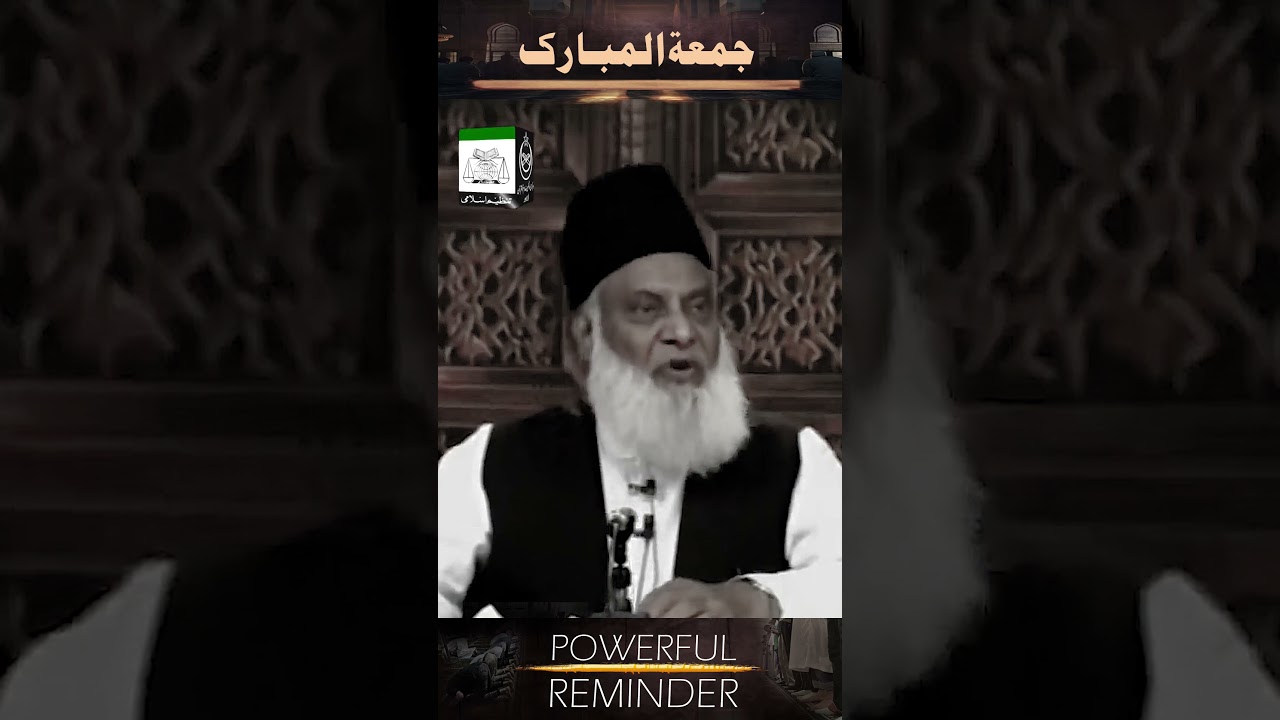
The entirety of the Prophet Muhammad’s life and revolution revolves around the Quran. All systems of invitation, training, and spiritual purification are centered on its teachings. To ensure the continued dissemination of this knowledge within an Islamic state or system, a consistent educational practice is vital. The Friday congregation (Jumah) is proposed as a weekly system for continuous learning and revival of Quranic teachings within the community.
37
