Шорты
The Prophet Muhammad is presented as the greatest benefactor of humanity, enduring significant hardships throughout his life. The text emphasizes that offering prayers (salutations) upon him is a means of acknowledging his virtues and receiving divine reward. It highlights the importance of recognizing his exemplary character and the blessings associated with remembering him.

248
The history of Islam doesn't begin solely with the Prophet Muhammad ﷺ; its origins trace back to Prophet Adam. While the historical details from Adam to Moses are less preserved, the Israelites represent the first nation to emerge on the world stage. According to available knowledge, the Israelites were the first nation, and the final nation is the Ummah of Muhammad ﷺ. This lecture explores the historical lineage of Islam, emphasizing its continuity from the earliest prophets to the final messenger.
53
God states that direct communication is possible without intermediaries. Acceptance of His commands and adherence to His teachings are essential for answered prayers. He is ever-forgiving and accepts repentance. God responds to every call for help, but requires obedience, attentive listening, sincere belief, and practical implementation of His guidance. He is the most merciful and responds to those who turn to Him with sincerity and commitment.
74
This lecture emphasizes true repentance (tawbah) as requiring a complete removal of un-Islamic practices from one’s life, family, and economic activities. Superficial displays of religious observance, such as multiple pilgrimages or verbal expressions of regret, are insufficient without genuine behavioral change. The speaker criticizes hypocrisy, particularly continuing interest-based transactions after performing Hajj. True repentance demands a willingness to sacrifice even personal comfort or face hardship rather than compromise on Islamic principles. The lecture also addresses the decline of modesty and the erosion of Islamic values in Pakistan, lamenting the failure to establish a society grounded in Islamic ethics.
88
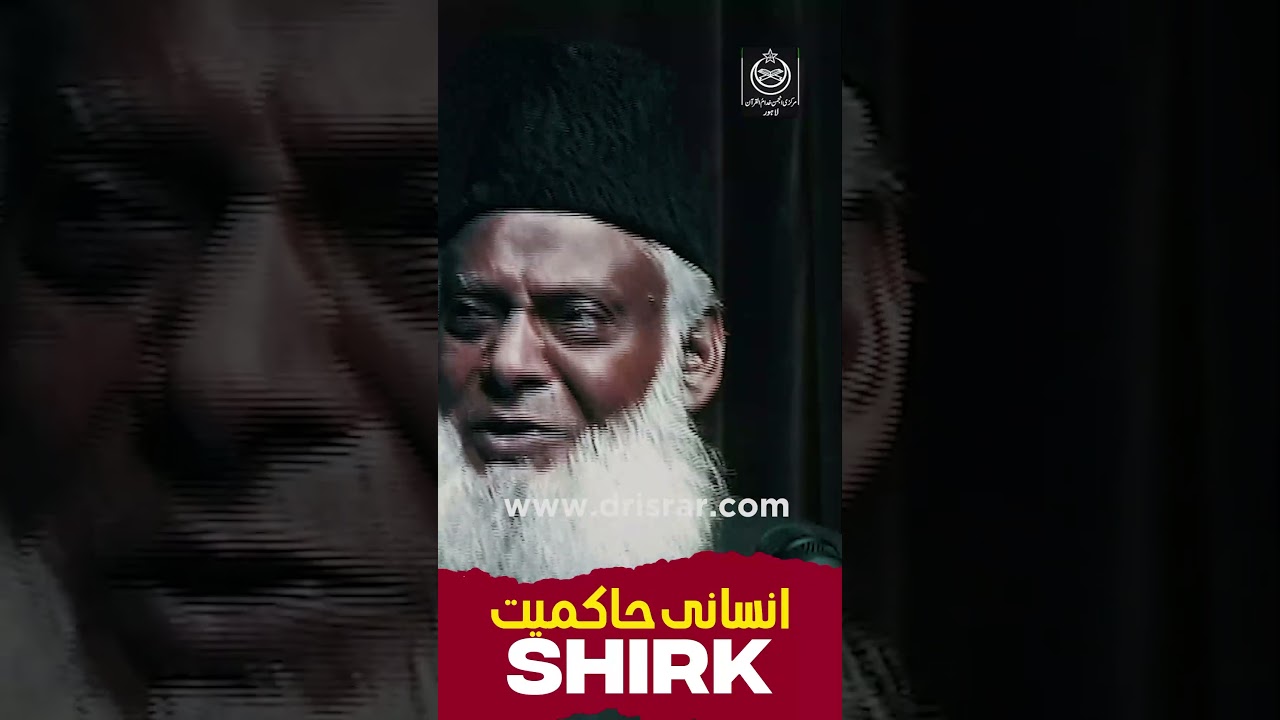
This lecture asserts that establishing human rule over others constitutes the greatest form of associating partners with God (shirk) in the history of humankind. It argues that contemporary society, in its collective assertion of self-governance, has replaced God as its ultimate authority. The speaker contends that true devotion will only be possible when a system of governance based on divine law is established, replacing current systems that operate independently of God's commands. This involves rejecting secular courts and parliaments, and instead submitting to a system where justice is derived solely from God’s decree. The current practice of worship combined with obedience to man-made laws is considered a form of hypocrisy and rebellion.
59

This lecture emphasizes the importance of fulfilling obligations to God and to humanity. It highlights the necessity of standing firm for justice, adhering to divine principles, and respecting revealed scriptures. The speaker stresses that true faith requires both upholding the rights of God – encompassing worship and obedience – and fulfilling the rights of others, including upholding justice and fairness. A key point is the responsibility to study, reflect upon, and act in accordance with the teachings of divine books like the Torah, the Gospel, and the Quran. The lecture concludes with a call to establish justice and follow the guidance revealed by God.
48
