Calção

This lecture explores the concept of choosing a difficult, less-traveled path in life as opposed to a broad, popular one. It emphasizes that while the narrow path may be challenging, it ultimately leads to spaciousness and fulfillment. The speaker warns against following the majority who often lead to hardship and emphasizes the importance of choosing a path aligned with spiritual growth and lasting peace. It highlights that true progress lies in embracing difficulty and choosing the less-conventional route.

59
In his final days, Allama Iqbal expressed deep concern about the continuation of his mission after his passing. He feared a lack of capable successors to carry forward his work, drawing a parallel to the anxiety of Prophet Zakariya when he prayed for a son in old age. Iqbal worried about the potential inability of his relatives and those around him to follow the righteous path he advocated. He implored God for a devoted successor, mirroring Zakariya’s plea. This lecture explores these anxieties, referencing Iqbal’s famous verses, ‘Sarod-e-Raftbaz,’ ‘Nayeem-e-Az-Hijaz,’ and ‘Sar-e-Rozgar-e-In Faqir-e-Dagar Dana-e-Rah.’
64
This lecture explores the life of Hazrat Fatima, the daughter of Prophet Muhammad (peace be upon him), highlighting her sacrifices, devotion, and the hardships she endured. It delves into her relationship with her father, her role as a mother, and the challenges faced by the early Muslims. The speaker emphasizes Fatima’s piety, patience, and her exemplary character as a role model for all believers. The discussion also touches upon the material possessions and worldly comforts, contrasting them with spiritual values and the importance of remembrance of Allah after every prayer.
93
This lecture explores the barriers between humanity and its Creator, emphasizing a reciprocal relationship based on remembrance and gratitude. It asserts that God hears all calls, but responds through acceptance of supplication, contingent upon obedience. The lecture highlights a two-way covenant: remembrance begets remembrance, gratitude invites appreciation, and approaching God leads to divine response. Ultimately, repentance and turning towards God are met with His mercy and acceptance.
73
The advent of Muhammad ﷺ brought a complete transformation to all aspects of life. Existing beliefs, ideologies, individual personalities, and moral codes were fundamentally altered. Daily routines, social structures, political systems, and societal norms underwent a radical change. A nation previously characterized by widespread illiteracy became a beacon of knowledge and learning, becoming an educator for the world. It absorbed and developed sciences from both the East and West, disseminating them globally. This profound revolution dwarfs any other historical upheaval, including the French Revolution, in its scope and impact.
57
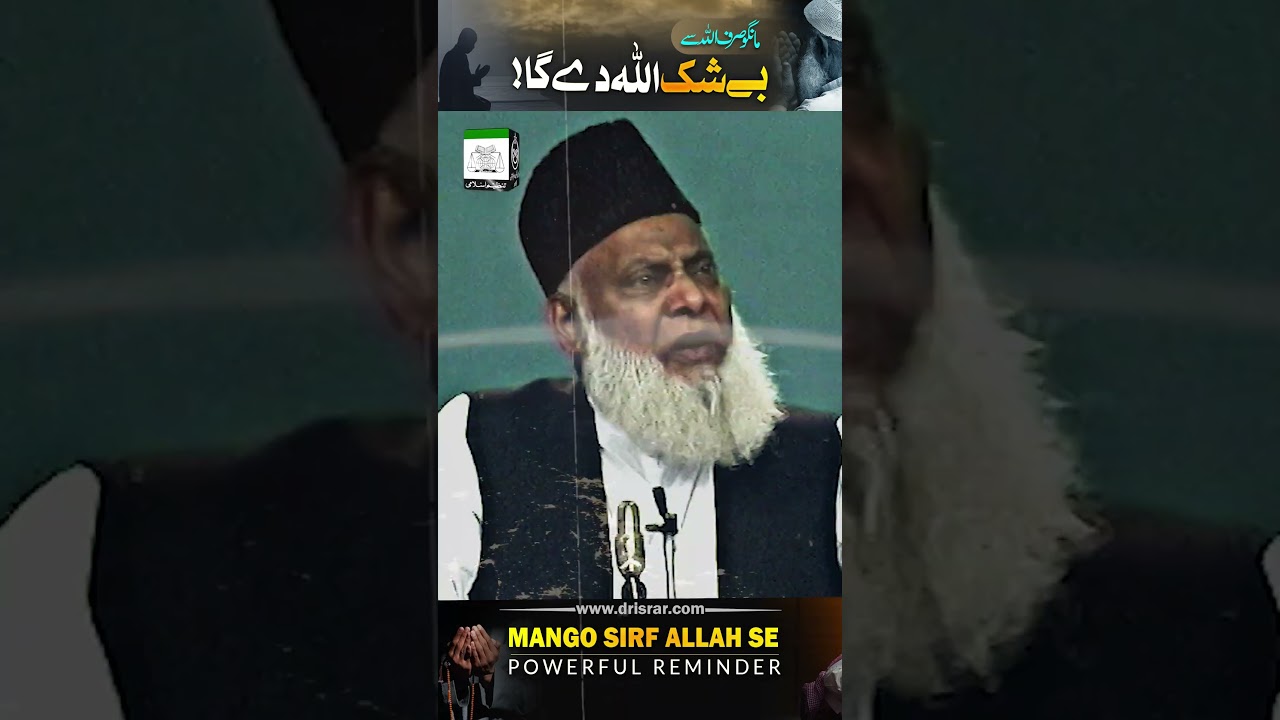
This lecture emphasizes a direct relationship with God, negating the need for intermediaries. It highlights the importance of constant remembrance and sincere connection through reflection and contemplation. The speaker stresses that God is always accessible and responsive to those who earnestly seek Him. The lecture encourages listeners to move beyond ritualistic practices and cultivate a deep, personal connection with the Divine. It urges constant awareness of God’s presence in every moment, emphasizing that every moment could be one’s last. The speaker draws a parallel to Iqbal's philosophy, advocating for the removal of barriers between the Creator and creation and urging a direct connection unmediated by dogma or external structures.
46
