ショーツ
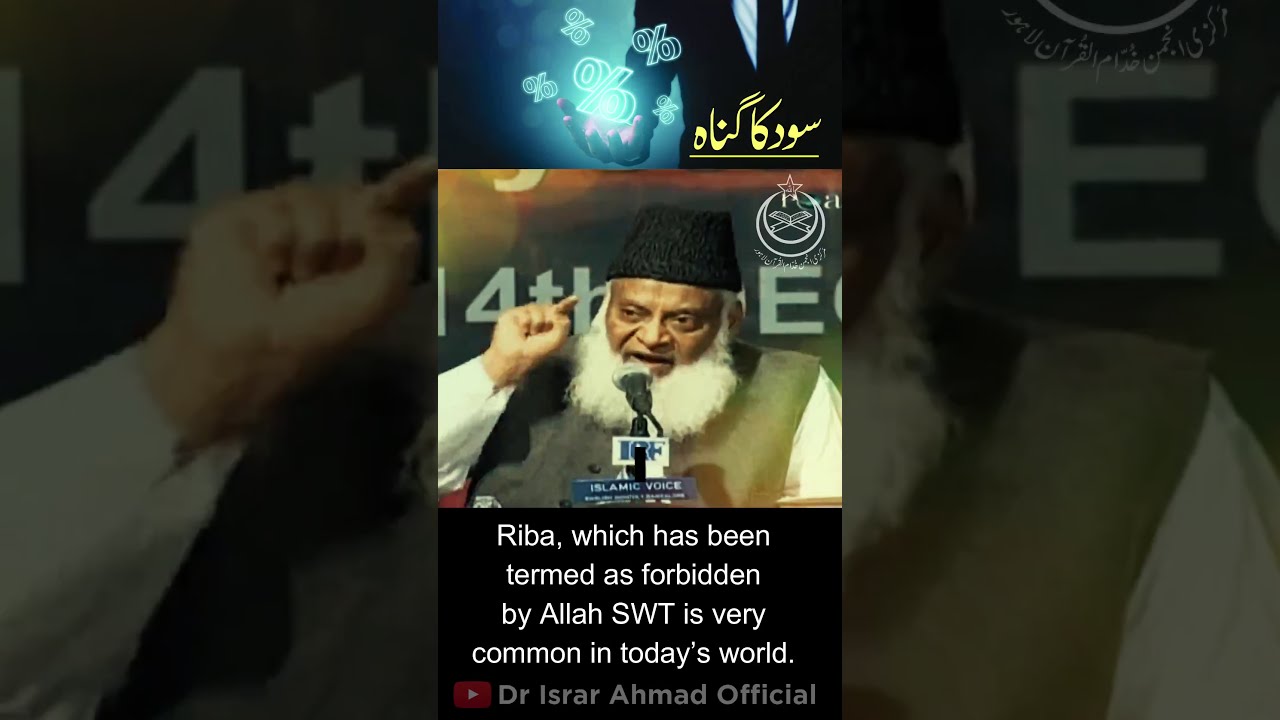
This lecture details the severe consequences of earning through unlawful means, emphasizing that interest (riba) is strictly forbidden in Islam. The speaker explains that persistent engagement in such practices leads to divine wrath and ultimately, eternal punishment in hellfire. The lecture highlights that even a single, sustained sin can envelop a person, leading to irreversible spiritual damage. It serves as a stark warning against making unlawful earning a regular part of one's life and encourages seeking halal (lawful) sources of income.

96

This lecture explores the meaning of ‘Akbar’ as revealed in the initial verses concerning the prophethood. It emphasizes rising above complacency and recognizing the grandeur of God. The verses urge individuals to abandon their comfort and embrace a life dedicated to proclaiming the truth of resurrection and divine greatness. The core message centers on acknowledging God’s supremacy, establishing a system that reflects that greatness, and actively conveying this message to others. The lecture calls for a complete submission to God and a life lived in recognition of His power and majesty.
48

The text details the historical origins of sectarian division between Shia and Sunni Muslims, attributing it to Abdullah Ibn Saba, a figure who emerged during the early Islamic period. Ibn Saba is accused of falsely claiming divine status for Hazrat Ali, sparking discord and ultimately laying the foundation for the Shia-Sunni split. He presented himself to Hazrat Ali and his followers, proclaiming him God, and even offered to be burned alive as a test of faith, a claim Hazrat Ali rejected and threatened with punishment. The text asserts this event is the root cause of the ongoing division.
78

The Quran possesses two levels of understanding. The first is a surface-level comprehension, readily accessible like oil floating on water after a tanker leak. This represents the primary lessons and wisdom directly present within the text. The deeper level, however, is immeasurable, akin to the depths of the ocean, requiring profound exploration to fully grasp its complexities. Just as measuring the ocean's depths is a challenge, so too is comprehending the full extent of the Quran’s wisdom.
38

This lecture addresses the common misconception that individuals can directly improve the circumstances of others. It clarifies that provision and hardship are ultimately determined by God's will and wisdom. The speaker emphasizes that humans should focus on their own efforts and trust in God's plan, recognizing that He expands or restricts sustenance according to His knowledge and judgment. God is fully aware of the needs of His servants and acts in their best interest.
45

This lecture explores the difference between superficial observation and true understanding. It asserts that animals perceive the external world, but humans possess the capacity to grasp the underlying reality of things. The speaker emphasizes that genuine vision comes from the heart, not merely the eyes, and seeks a deeper comprehension of existence, as exemplified in the prophetic supplication to see things as they truly are. True insight requires moving beyond appearances to grasp the essence of reality. The lecture highlights the importance of inner vision and spiritual understanding.
37
