Quần short

This lecture addresses the plight of the impoverished, highlighting the harsh realities faced by those struggling to meet basic needs. It emphasizes that individuals preoccupied with daily survival – those who cannot consistently secure even two meals a day and labor for ten to twelve hours – are deprived of the capacity for spiritual contemplation. The speaker asserts that systemic poverty degrades humanity, reducing individuals to a bestial existence, akin to livestock. This degradation strips them of their dignity and their ability to connect with the divine.

1,417

The lecture emphasizes that a lack of empathy and compassion leads to spiritual deprivation. True piety isn’t demonstrated through rituals alone, but through actively alleviating the suffering of others. One who witnesses another’s pain and possesses the means to help, yet fails to do so, forfeits blessings. Genuine faith demands shared sorrow and a commitment to easing the burdens of fellow humans. Mere observance of prayers and nocturnal worship are insufficient without accompanying heartfelt compassion and practical assistance.
62

Hazrat Abu Bakr, may Allah be pleased with him, frequently expressed a profound anxiety about the Day of Judgement. He wished he could be a bird, free from accountability, or a blade of grass, consumed and finished. This sentiment echoes a verse in Surah Al-Imran where disbelievers express a wish to be dust rather than face judgement. The lecture highlights the tragic reality of human existence when disconnected from faith, emphasizing the immense responsibility and potential loss inherent in being human.
62

This lecture details three effective methods for conveying the message of faith: wisdom-based argumentation, positive and appealing counsel, and respectful debate. It emphasizes approaching dialogue with intellect, kindness, and a focus on constructive engagement rather than conflict. The core principle is to guide others towards the right path through reasoned discussion and gentle persuasion, avoiding harshness or coercion. It’s a blueprint for effective *dawah* rooted in intellectual honesty and compassionate communication.
78
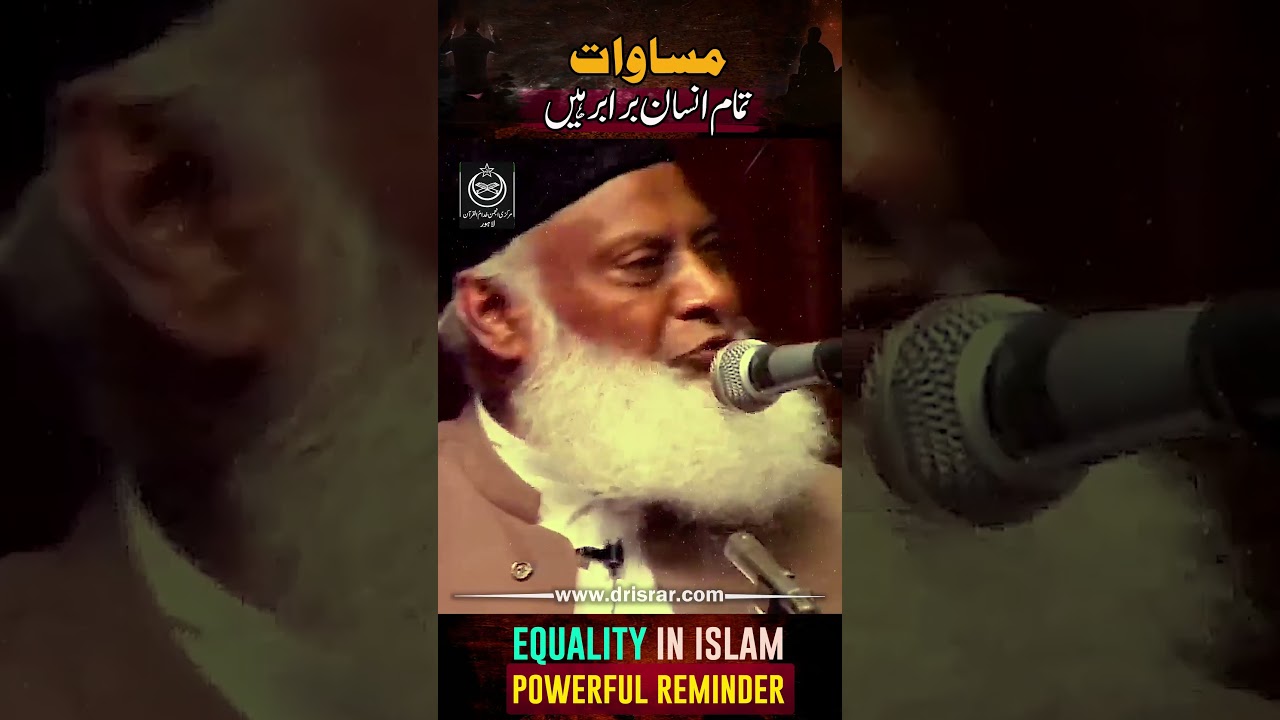
All humans are born equal, possessing inherent dignity regardless of birth, race, or gender. Social hierarchies are not innate but are acquired through knowledge, piety, and character. True honor is derived from devotion to God, with the most esteemed individual being the most righteous. While men may hold institutional leadership roles within the family, this does not equate to inherent superiority. Women can surpass men in moral and spiritual standing. Examples like Maryam, Khadija, Asiya, and Aisha demonstrate the potential for women to achieve exceptional spiritual heights. The core message emphasizes equality, character, and spiritual elevation as the foundations for respect and honor.
49

Human beings have a limited capacity for repentance and return to faith. As prejudice and obstinacy increase, individuals reach a point of no return, where their hearts are sealed by God. This sealing is not a sudden event but a gradual process resulting from consistent rejection, denial, and stubbornness. Once sealed, faith becomes impossible. This parallels the Quranic verse in Surah Baqarah, describing those who persistently reject guidance. The sealing affects their hearts, hearing, and vision, leaving them subject to divine punishment.
51
