Celana pendek
This lecture emphasizes the value of sufficiency over abundance. It highlights that having limited resources, but being content and self-reliant, is preferable to having plenty while being heedless and dependent on others. The core message is that fulfilling basic needs with dignity is superior to living a life of extravagance and reliance on external support. True well-being lies in avoiding debt and maintaining independence, even with modest means. Contentment and self-sufficiency bring peace of mind and protect one from humiliation.

82
This lecture clarifies the true meaning of righteousness (nichat) in Islam. It emphasizes that outward displays of devotion, like facing east and west, are insufficient. Genuine righteousness stems from sincere faith in God, the Day of Judgment, angels, scriptures, and the prophets. The Quran defines this inner faith and commitment as the core of true piety and virtue.
63
This lecture explores the profound connection between the call to prayer (azan) at birth and the funeral prayer (janaza) at death. It posits that life is an interval akin to the time between the azan and iqamat, and the subsequent prayer. The speaker draws parallels between these ritualistic acts, suggesting that birth and death are bookends to a temporary existence. The lecture highlights the transient nature of worldly life, framing it as a brief pause between two states of being, emphasizing the importance of reflection and spiritual awareness.
71
This lecture explores the concept of national identity, presenting the nation-state as a modern construct akin to a deity. It argues that in the contemporary era, the nation has replaced traditional faiths as a primary source of allegiance and purpose. The poem emphasizes the nation’s all-encompassing nature, where national identity is interwoven with religious belief. The speaker calls for strength derived from the principles of Tawhid (Oneness of God) and emphasizes the importance of Islam as a guiding force for the nation. The lecture ultimately proposes that patriotism, when rooted in Islamic values, can be a powerful force for national progress and spiritual elevation.
54
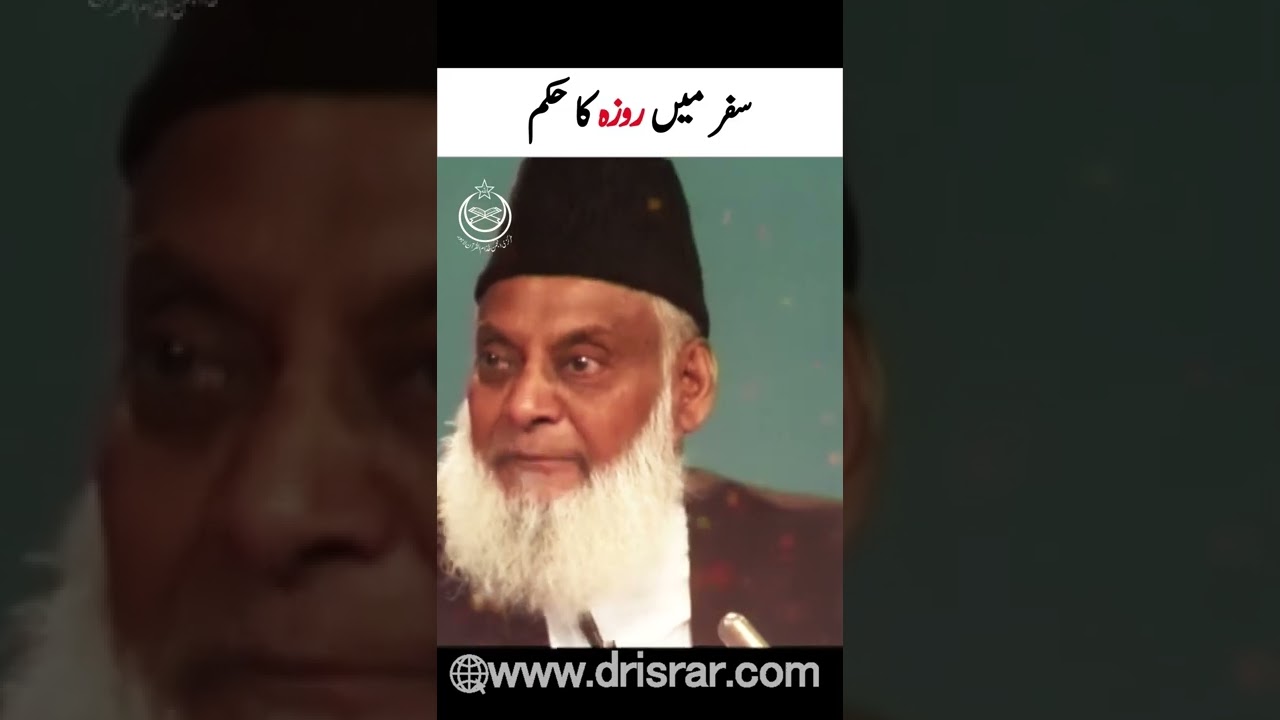
Dr. Israr Ahmad explains a critical point regarding religious observance. He clarifies that excessively strict adherence to rituals, like maintaining a fast (Roza) even under conditions of extreme hardship – such as during travel or military campaigns – is a misunderstanding of true piety. He points out that such rigid practices stem from a misguided notion of righteousness and can foster extremism. The lecture emphasizes that genuine faith prioritizes well-being and practicality over inflexible adherence to rituals, especially when it leads to physical exhaustion or hinders necessary activities. The Prophet Muhammad (peace be upon him) discouraged such unnecessary hardship and highlighted the importance of balance in religious practices.
74
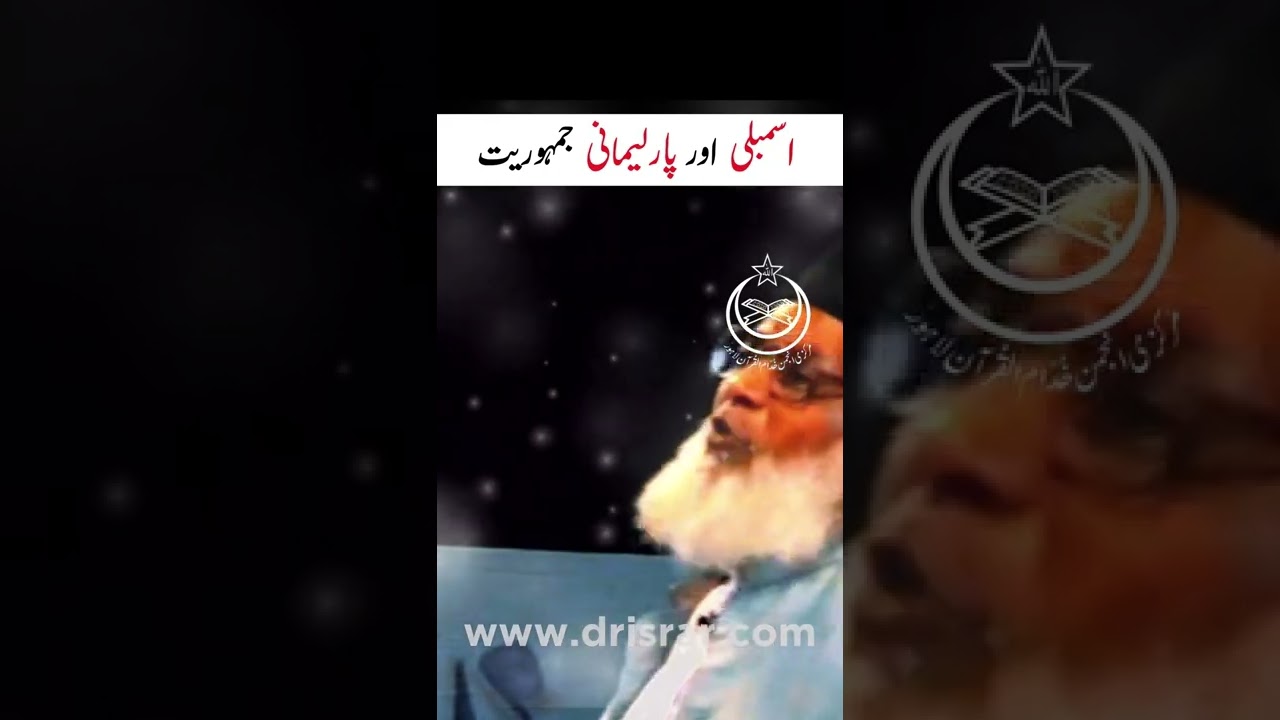
This lecture discusses the foundational principles of Pakistan’s political system, highlighting its historical roots in British parliamentary democracy. It emphasizes the concept of a shared national identity encompassing both Muslims and non-Muslims, established during the creation of Pakistan. The speaker points out that despite establishing Pakistan with a different vision, the country largely retained the British parliamentary system. The lecture examines the perception that this system was considered divinely ordained, leaving little room for alternative models and solidifying its place as the established political norm.
79
