ショーツ
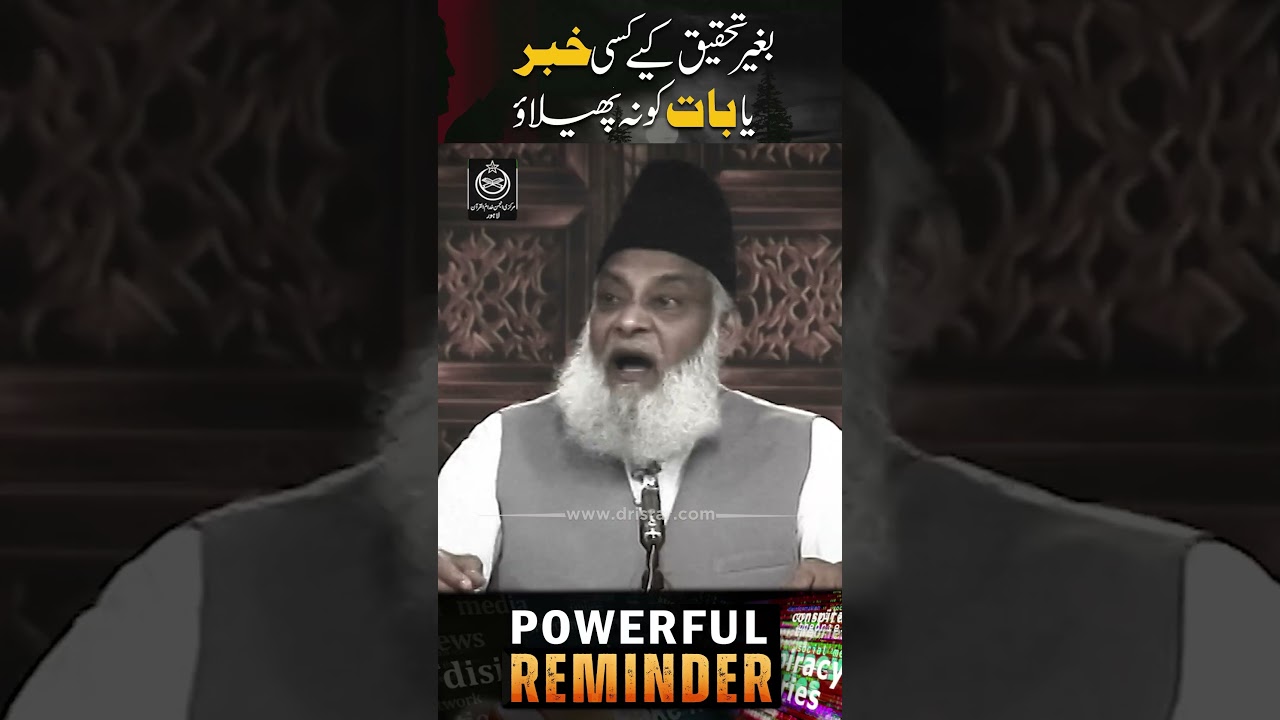
This lecture emphasizes the severity of spreading unverified information. Simply repeating what one hears without investigation constitutes a form of falsehood, even without malicious intent. The speaker stresses the importance of verifying information before sharing it, as relaying unconfirmed news contributes to the spread of lies. Repeating hearsay, even without intending to deceive, makes one complicit in the dissemination of falsehoods. The lecture advocates for careful consideration and verification before speaking.

70
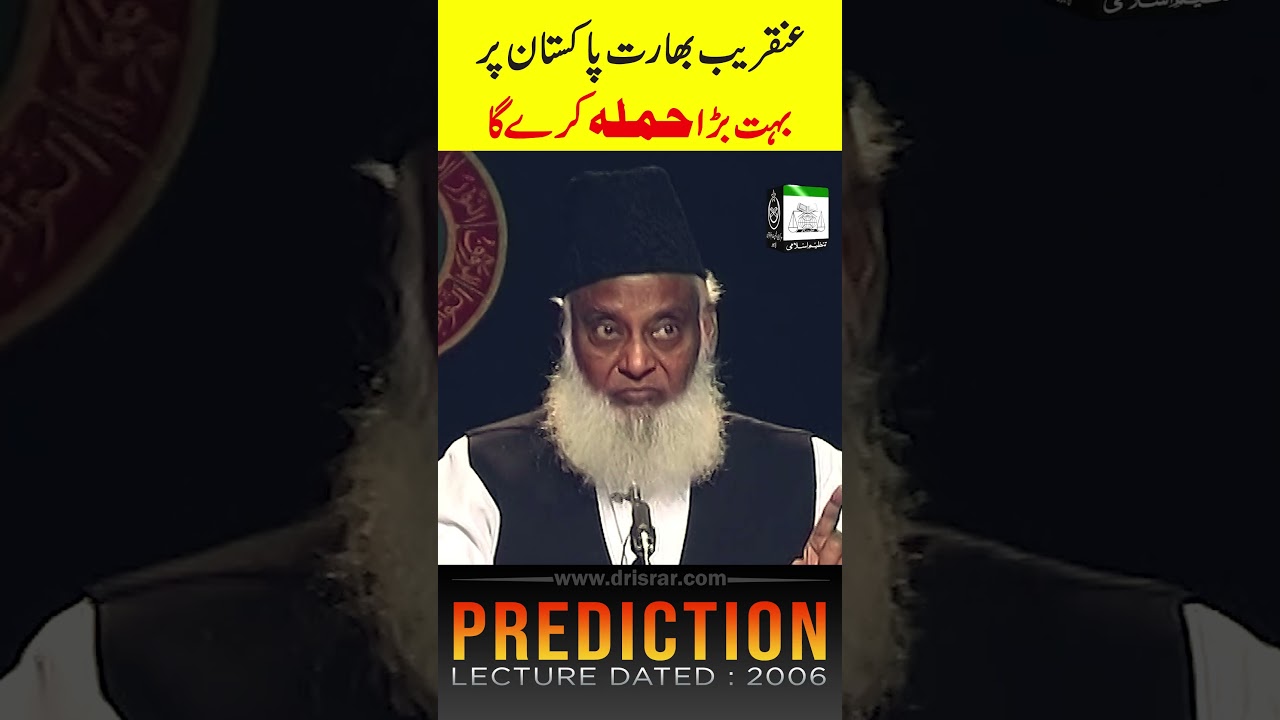
This lecture discusses a potential large-scale conflict between India and Pakistan if China and Pakistan strengthen their alliance. The speaker predicts a future Islamic revival originating from the region, even at a significant cost in lives. A key prophecy from Shah Aliullah Dehlavi foretells a time when the upper castes of India will predominantly convert to Islam. The lecture emphasizes the historical trajectory and inevitable changes occurring, acknowledging the inability to prevent these unfolding events.
67
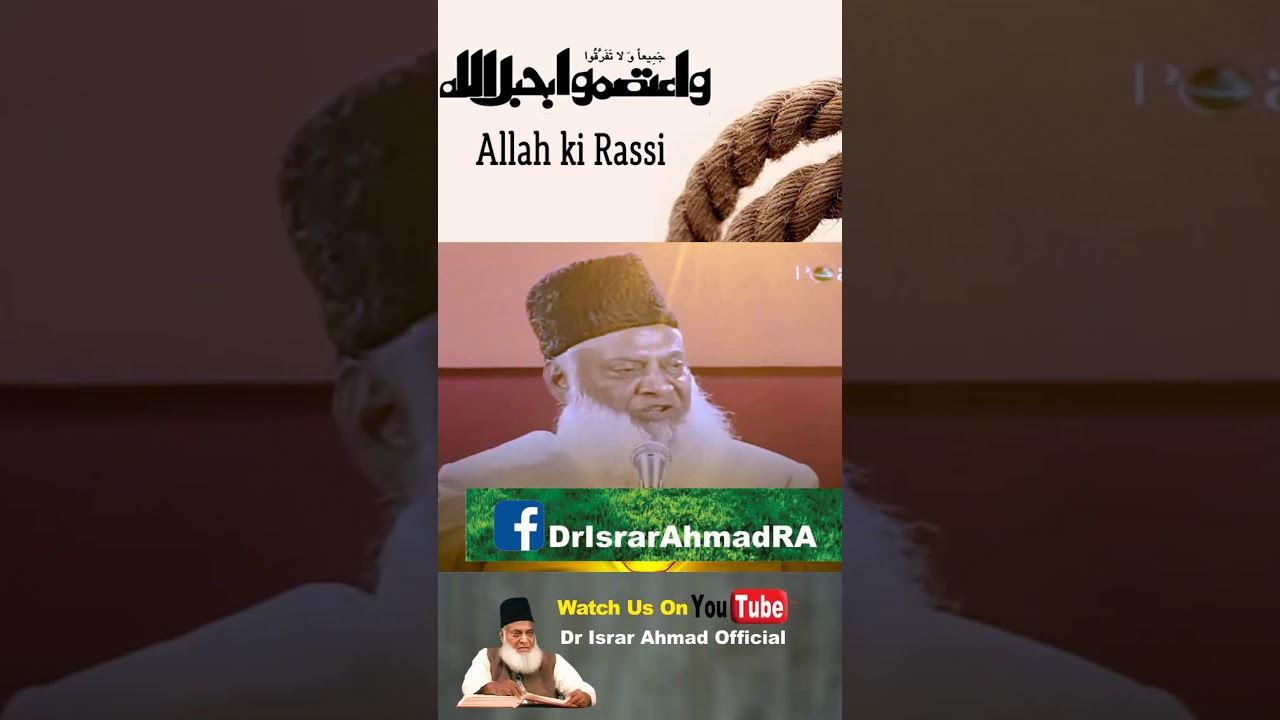
The Quran is presented as the direct connection, or ‘rope,’ between Allah and humanity. It’s the primary means of achieving nearness to Allah. This connection is twofold: one end is within our grasp, allowing us to act upon its guidance, while the other end is held by Allah, signifying divine support and blessing. The lecture emphasizes that the Quran is not merely a book, but a living pathway to spiritual closeness with Allah, offering guidance and facilitating a deep, personal relationship with the Divine.
135
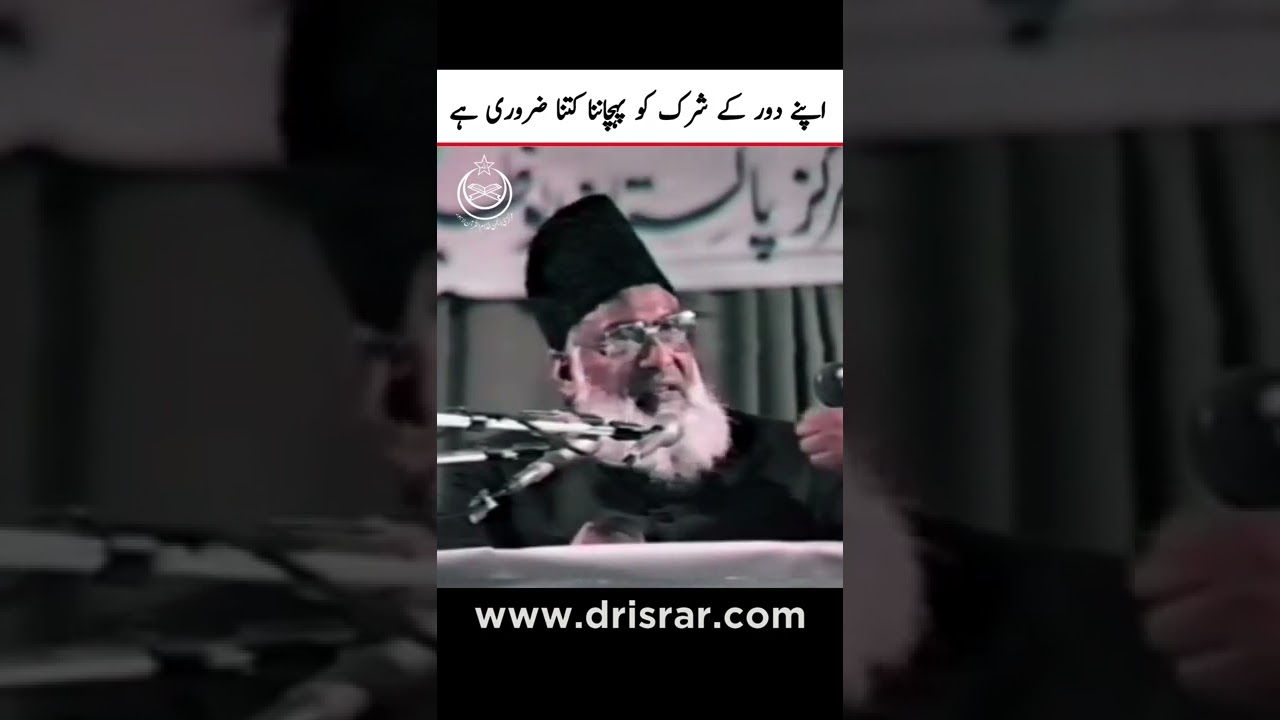
Shirk, or associating partners with God, manifests differently across eras. The forms of shirk prevalent centuries ago are not necessarily identical to those of today. New forms of shirk emerge, requiring continuous discernment and intellectual insight. Without this insight, individuals may mistakenly label practices as shirk based on historical rulings, while failing to recognize contemporary expressions of shirk. The ability to identify and reject the shirk of one’s own time is crucial, as demonstrated by scholars like Ibn Taymiyyah, but recognizing *current* forms of shirk demands ongoing vigilance.
60

Dr. Israr Ahmad discusses the pervasive influence of materialism and self-interest within society and the spiritual elite. He contrasts genuine spiritual leadership, exemplified by the prophetic tradition of Moses, with the often-superficial authority of religious scholars. He argues that true spiritual power manifests as transformative action, while a lack of inner conviction results in ineffective leadership. The lecture highlights the dangers of outward displays of piety masking inner corruption and the importance of aligning actions with sincere belief. He references Iqbal’s poetry to emphasize the pursuit of spiritual fulfillment and the search for genuine guidance.
54
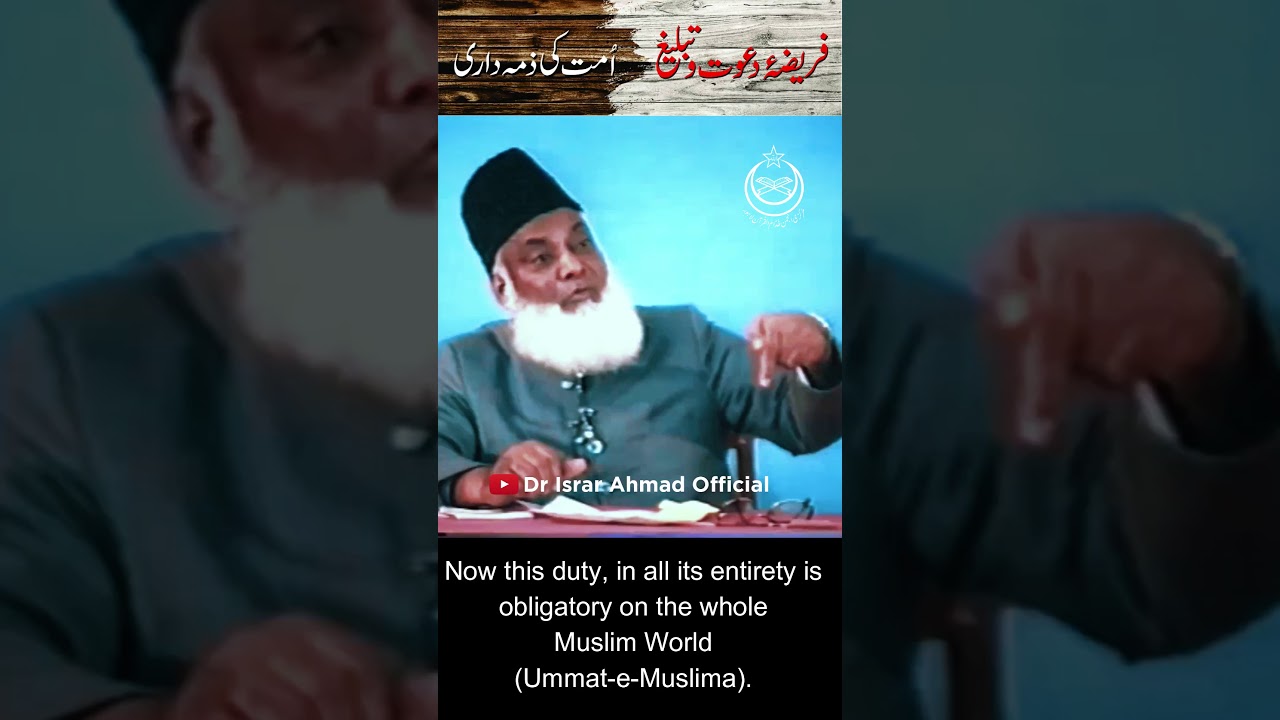
This lecture emphasizes that propagating the message of Islam is no longer the sole responsibility of prophets, but a collective obligation incumbent upon the entire Muslim community. It argues that Muslims must actively convey the faith through their actions and outreach, becoming living examples of its principles. Failure to do so will result in a negative testimony on the Day of Judgment, with the community being held accountable for not upholding the legacy of the Prophet. The speaker stresses that establishing a clear argument for faith before all of humanity is a fundamental duty, requiring dedication of resources and abilities to effectively spread the message of Islam.
219
