السراويل القصيرة
This lecture emphasizes the religious obligation of every Muslim to strive for the establishment of the Caliphate system. It asserts that failing to do so constitutes a contradiction of faith and a disregard for divine law. The speaker criticizes a narrow focus on material possessions and worldly concerns, arguing that a true Muslim’s life should be dedicated to this essential struggle, regardless of whether their efforts are recognized or accepted by others. The lecture draws a parallel to the tireless work of past prophets, highlighting that persistent effort is key to success, even in the face of rejection.

71
This lecture identifies the characteristics of hypocrites as described in a hadith. It highlights four key traits: lying, breaking promises, dishonesty when entrusted, and losing temper in disagreement. The speaker emphasizes that outward displays of religious practice—prayer and fasting—do not negate these inner qualities. The lecture urges self-reflection and societal assessment, suggesting a correlation between prominence and hypocrisy. The speaker notes that often those in positions of power are the most deceitful and untrustworthy.
96
During standing in prayer (namaz), it is permissible to look at the mosque wall or generally around. The gaze should remain focused on the spot where one prostrates. Raising the head and looking around or upwards at the sky is strongly discouraged. Maintaining focus on the prayer spot is essential for proper concentration and devotion.
90
The speaker asserts that Pakistan remains systemically and politically subservient to non-Islamic forces, questioning the validity of celebrating independence in such circumstances. He contrasts true Islamic observances – Eid al-Fitr and Eid al-Adha – with celebrations he deems extraneous. He emphasizes that freedom is a significant blessing, yet one that has been largely unappreciated. The speaker urges repentance, seeking forgiveness, and dedicating one’s life to establishing Islam within Pakistan as a genuine expression of gratitude to God for the gift of independence.
71

This lecture details the fundamental beliefs of Islam, categorized into three main areas: faith in Allah (Tawhid), faith in the Hereafter (Akhirah), and faith in the Day of Judgment and life after death. It explains core tenets like belief in Allah, angels, divine books, prophets, the finality of prophethood, the Quran as the final revelation, life after death, Paradise, Hell, accountability, and divine decree. These beliefs are metaphysical and transcend the realm of sensory experience, forming the foundation of a Muslim’s worldview and guiding principles.
62
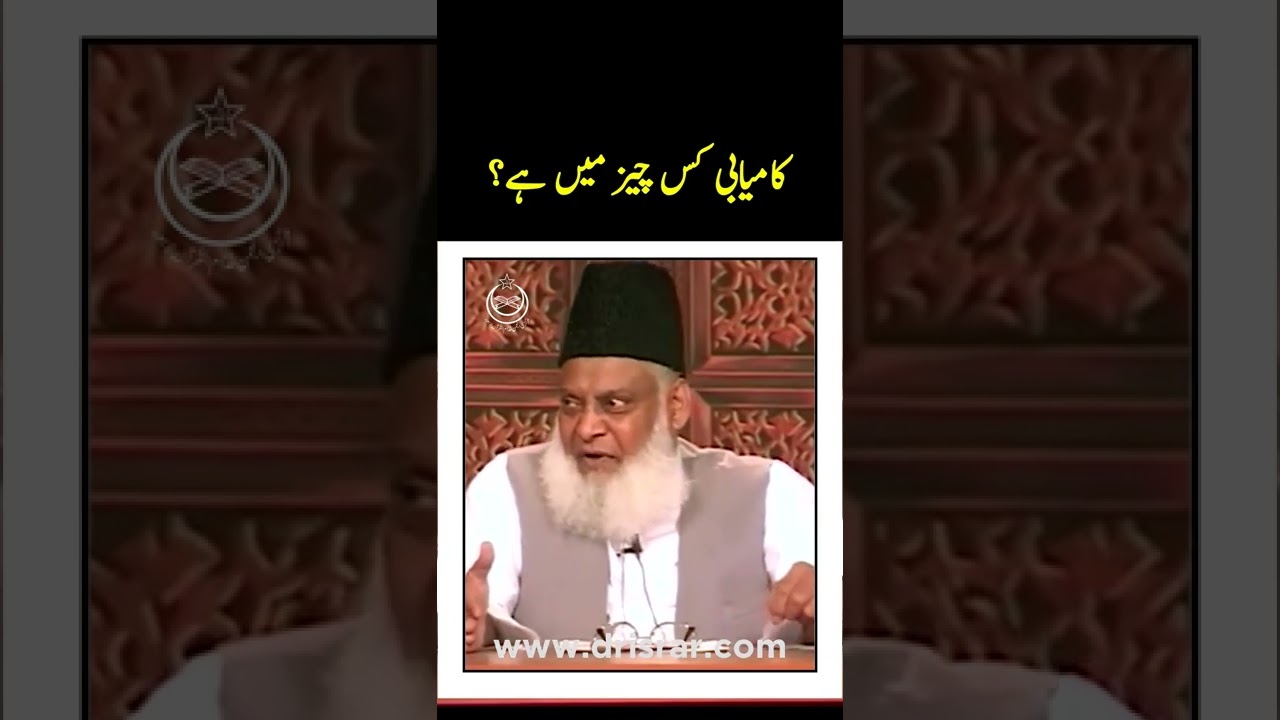
The criteria for success and failure are presented, emphasizing that true success isn’t found in wealth, status, or possessions. Instead, it stems from faith and righteous action. These elements are fundamental necessities for salvation, and one cannot compromise on them. The lecture stresses that genuine achievement is rooted in spiritual foundations, not material gains.
62
