Calção

The most crucial element is religious knowledge. Despite an abundance of information and scholars today, a deficiency exists not in knowledge itself, but in conviction, faith, and—most importantly—deep understanding and application (fiqh). Mere accumulation of facts without insightful comprehension holds little value. The core issue isn’t a lack of information, but a lack of faith, certainty, and the ability to derive practical wisdom from knowledge.

71
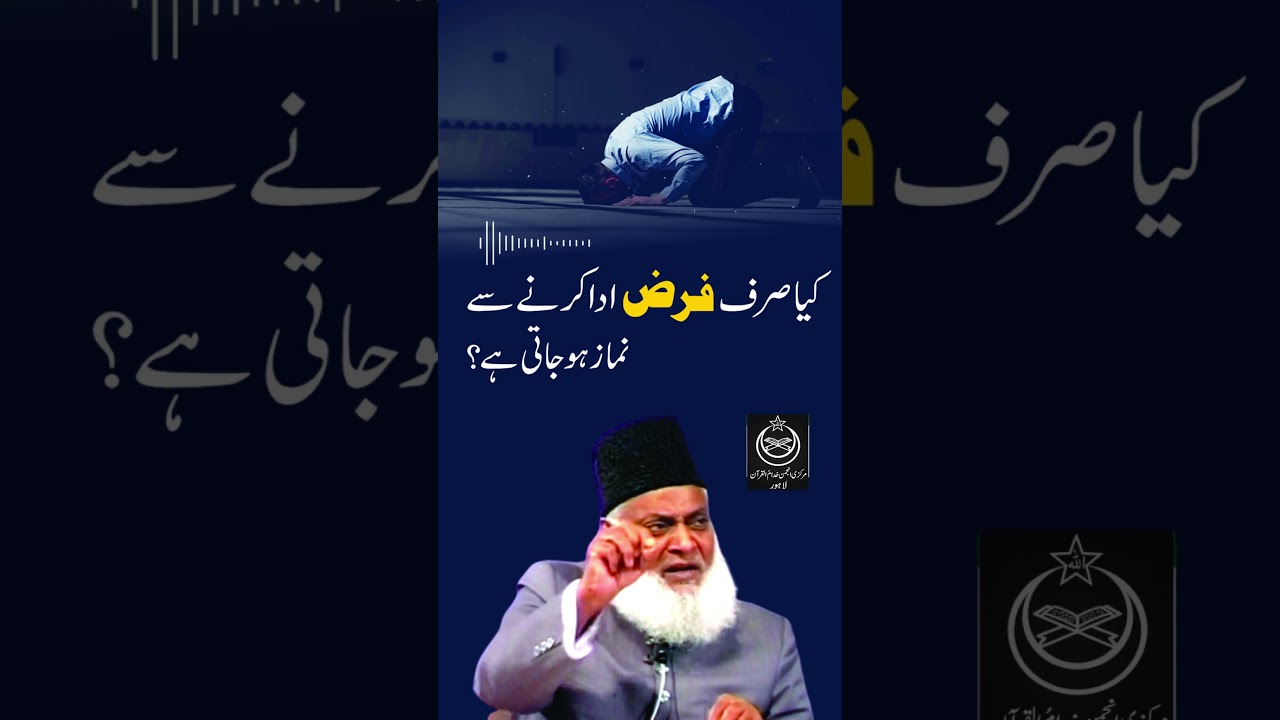
This lecture clarifies that fulfilling obligatory prayers is the minimum requirement for prayer. While fulfilling obligations is essential, incorporating voluntary prayers (sunnah and nafl) adds depth to one's spiritual practice. The speaker categorizes these voluntary acts based on their emphasis by the Prophet Muhammad, differentiating between those regularly practiced (sunnah mu’akkadah), those practiced occasionally (sunnah ghair mu’akkadah), and other optional prayers (nawafil). It’s recommended to participate in these supplementary prayers to the extent possible, aligning with the guidance of the Prophet and within the bounds of one’s time.
173
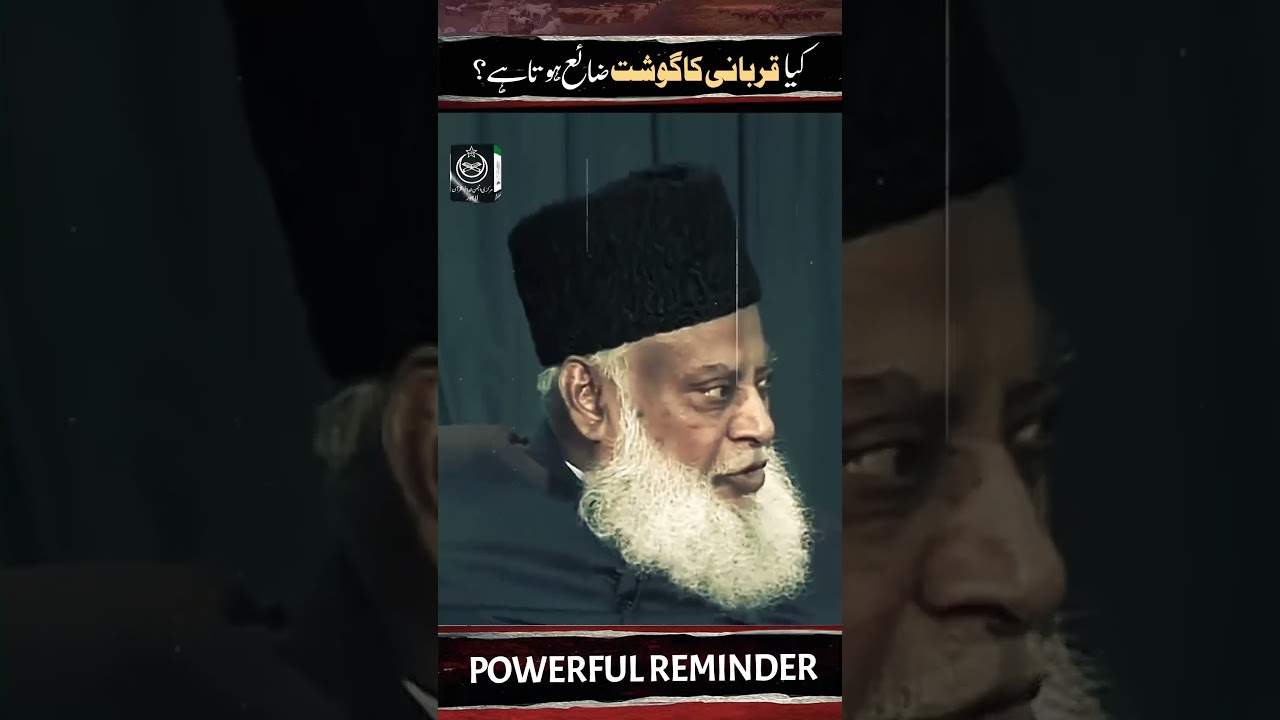
This lecture discusses the historical and economic benefits of sacrificial meat (Qurbani) in a specific region. It highlights how, traditionally, communities utilized every part of the animal, ensuring no waste. The speaker details how this practice provided a livelihood for local herders and a year-round meat supply for residents. The lecture contrasts this sustainable system with modern practices and argues against claims of wastefulness, emphasizing the economic support Qurbani provided to the community. It describes a time when communities thrived due to the efficient use of resources from the sacrificial animals, providing economic stability for local residents and herders. The lecture points out that Qurbani was not merely a religious ritual but a crucial element of the local economy.
102

This lecture addresses the principles of justice and impartiality when resolving disputes, particularly between Muslims and non-Muslims. It emphasizes that judgments must be based on equity and truth, regardless of religious affiliation. The speaker cautions against allowing personal biases or animosity towards any group to influence judicial decisions. True justice, it is argued, is achieved through adherence to divine guidance and righteousness, ensuring fairness for all involved. The lecture stresses the importance of maintaining impartiality even when one party belongs to one’s own faith or community, and warns against letting enmity sway judgements.
81

This lecture emphasizes the twin virtues of patience (sabr) and reliance on God (tawakkul) as fundamental principles for navigating life’s challenges. It stresses complete surrender to divine will, rejecting self-reliance on personal abilities, intelligence, or qualifications. True strength lies in enduring hardship with patience and placing unwavering trust in God’s plan. The core message advocates for abandoning dependence on one’s own efforts and instead, cultivating a complete and absolute trust in Allah for all outcomes.
83
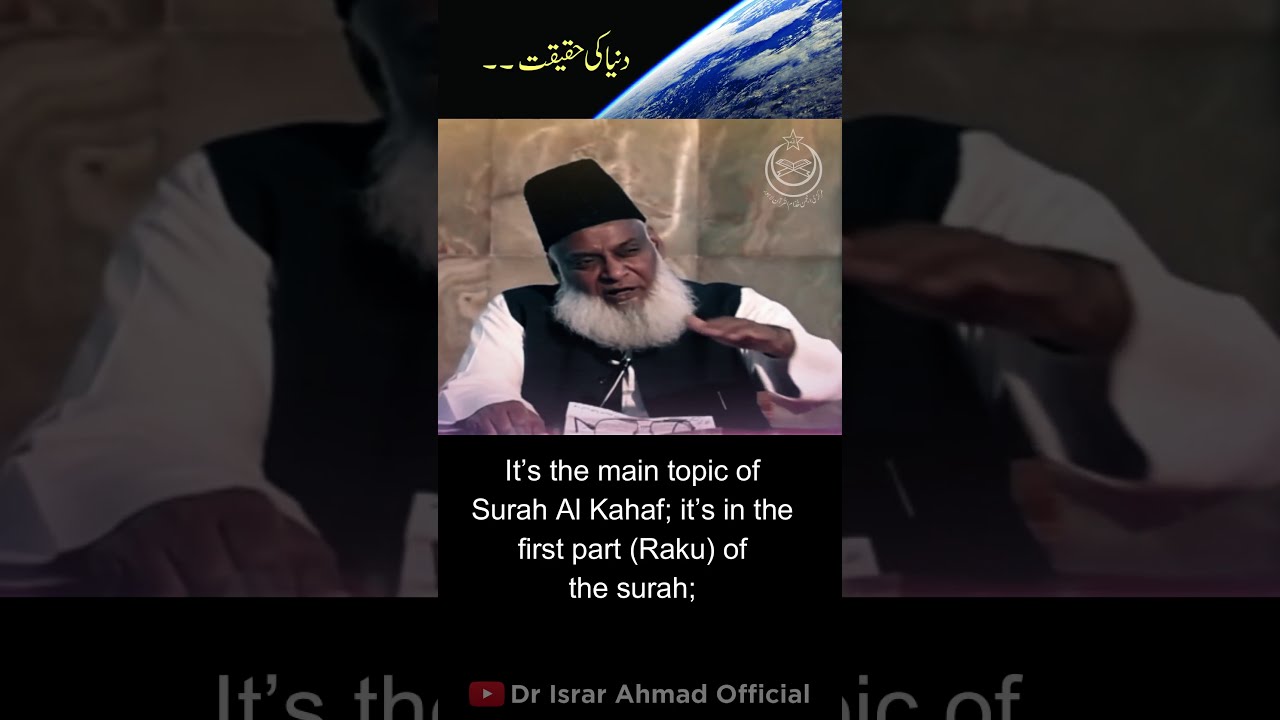
This lecture emphasizes the importance of mastering the world rather than being mastered by it. It explores the concept that worldly possessions, though beautiful, are ultimately tests designed to distract from true devotion to God. The speaker warns against becoming consumed by material pursuits and losing sight of spiritual priorities. True love and fulfillment are found in a connection with the Divine, not in the fleeting allure of worldly attractions. The core message is to remain steadfast in faith and avoid being captivated by the superficial beauty of the world.
71
