短裤

The core of a person’s character lies in their priorities: worldly possessions or the afterlife. True faith demands prioritizing the hereafter and seeking Allah’s pleasure above all else. Sufficient provision, even if modest, is superior to excessive wealth that leads to spiritual negligence. Self-sufficiency and reliance on Allah are preferable to a life of abundance and detachment from the Divine. A life of modest means, free from dependence on others, is more virtuous than a life of luxury that breeds spiritual heedlessness. Prioritizing contentment over excess fosters a stronger connection with Allah.

52

This lecture emphasizes a direct relationship with God, negating the need for intermediaries. It highlights the importance of constant remembrance and sincere connection through reflection and contemplation. The speaker stresses that God is always accessible and responsive to those who earnestly seek Him. The lecture encourages listeners to move beyond ritualistic practices and cultivate a deep, personal connection with the Divine. It urges constant awareness of God’s presence in every moment, emphasizing that every moment could be one’s last. The speaker draws a parallel to Iqbal's philosophy, advocating for the removal of barriers between the Creator and creation and urging a direct connection unmediated by dogma or external structures.
40

This lecture emphasizes the importance of *taqwa* (fear of God) and its practical application in daily life. It instructs believers to adhere to divine commandments and seek God’s pleasure. The lecture further discusses the concept of *hijrat* (migration) not merely as a physical journey, but as a striving for righteousness, and highlights the rewards promised to those who persevere in faith. It clarifies that reward extends beyond this life, encompassing both worldly benefits and boundless divine grace. The speaker stresses the importance of seeking environments where one can practice faith freely, and the ultimate recompense for those who remain steadfast.
56

This lecture emphasizes that true service to humanity lies in saving people from the torment of hellfire, rooted in the belief that the afterlife is the true existence. It highlights that indifference to the suffering of others, particularly their spiritual peril, demonstrates a lack of compassion. The core message is that preventing someone from entering hell is the greatest act of service, especially if one is aware of the consequences of disbelief. Genuine faith necessitates actively guiding others towards salvation and alleviating their spiritual hunger.
73

When the Prophet Muhammad arrived in Medina, he observed that the Jewish community fasted on the tenth of Muharram (Ashura), commemorating the day the Israelites were saved from Pharaoh and his army. They explained this was a day of thanksgiving. The Prophet stated that Muslims, as followers of Moses, had a greater right to commemorate this event. He instructed Muslims to fast on both the ninth and tenth of Muharram to distinguish themselves from the Jews, who only fasted on the tenth. This practice marks the beginning of observing days of worship based on the traditions of earlier communities present in Medina.
42
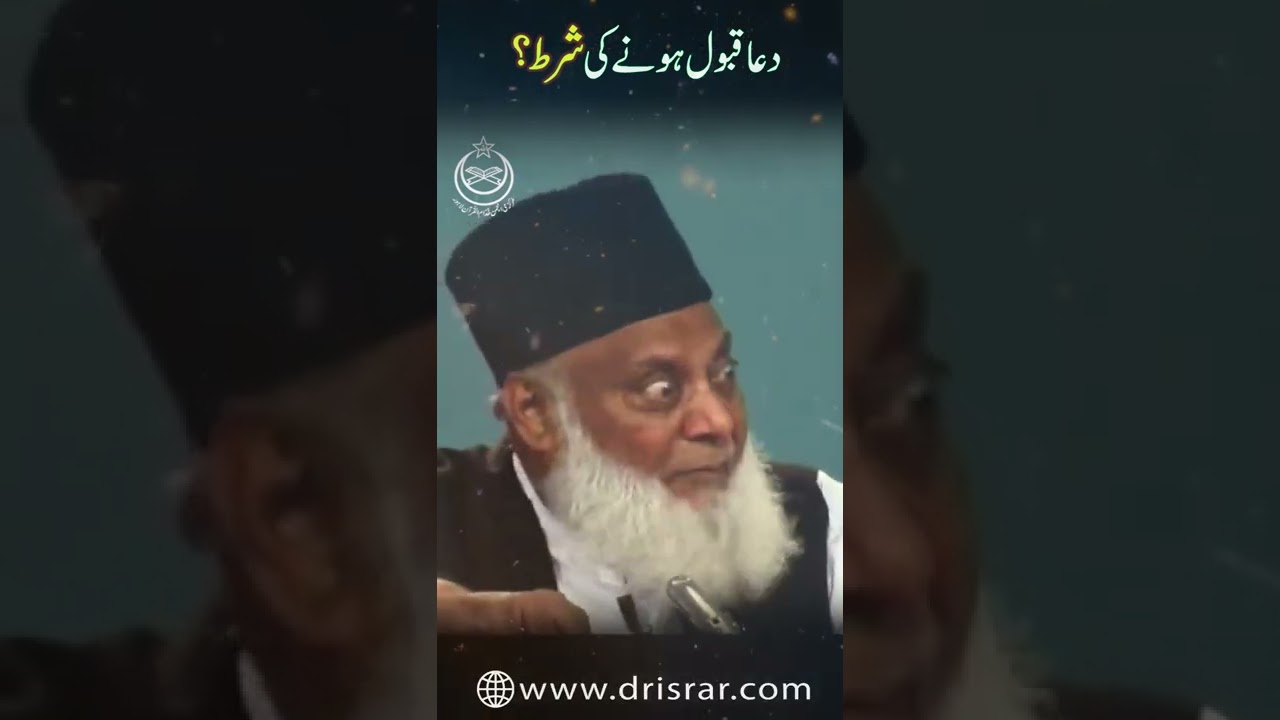
God states that direct communication is possible without intermediaries. Acceptance of His commands and adherence to His teachings are essential for answered prayers. He is ever-forgiving and accepts repentance. God responds to every call for help, but requires obedience, attentive listening, sincere belief, and practical implementation of His guidance. He is the most merciful and responds to those who turn to Him with sincerity and commitment.
74
