Calção

Hazrat Umar Farooq established a land system where conquered territories weren't individually owned, but held in common trust by the Muslim community. Revenue generated from this land was designated for the welfare of Muslims, both contemporary and future generations. Those working the land, regardless of religion, were required to pay land revenue. This revenue-generating status of the land would remain perpetual, even under non-Muslim rule, and revert to its original status upon regaining independence.

73
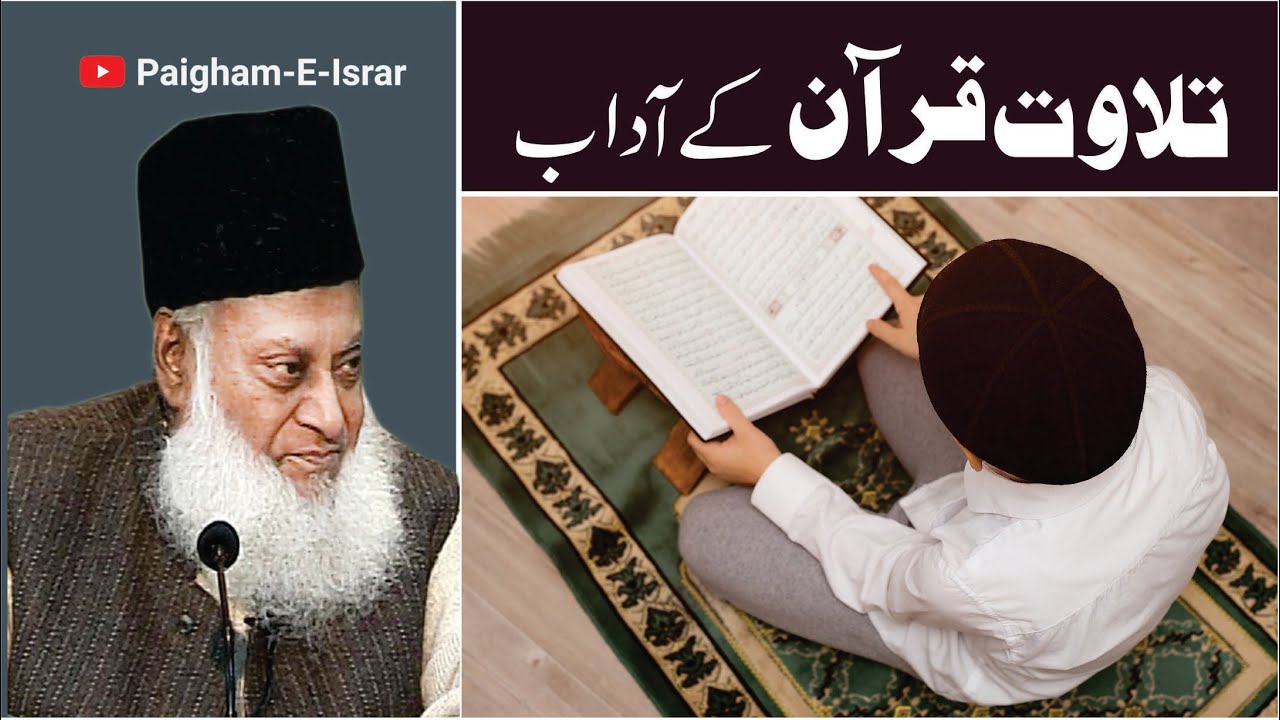
Dr. Israr Ahmad discusses the proper method of Quran recitation, emphasizing the importance of correct pronunciation (tajweed), understanding the meaning, and avoiding superficial artistic displays. He contrasts true Quranic recitation with competitive performances, highlighting that the Quran should enter the heart, not just be a vocal exercise. He warns against reciting Quran while engaging in sinful activities, and stresses that a sincere connection with the Quran strengthens faith and resilience. He also clarifies the difference between *tilawat* (recitation) and *tartil* (rhythmic, meaningful recitation). He cautions against relying solely on eloquent recitation without comprehension, and advocates for learning from qualified teachers to ensure accurate pronunciation and understanding.
129
This lecture emphasizes prioritizing the afterlife while fulfilling worldly needs. It stresses reliance solely on Allah, avoidance of major sins, controlling anger, establishing a heart connection with Allah through prayer, seeking counsel, and dedicating wealth to the cause of Allah. The speaker advocates a balanced life focused on spiritual preparation and righteous action.
67
The Prophet Muhammad (peace be upon him) compared the heart to iron; just as iron rusts when exposed to water, the heart corrodes with sin and worldly attachment. He outlined two remedies for this spiritual rust: constant remembrance of death and recitation of the Quran. The temporary nature of worldly life should be acknowledged; this world is not our true home, but a temporary abode. We were created for the afterlife, and focusing on that ultimate destination purifies the heart and prepares it for eternal peace.
70

Maintaining sincerity in good deeds requires constant self-monitoring and deliberate practice. The speaker emphasizes performing acts of charity and prayer discreetly, without seeking recognition or praise. This cultivates a habit of performing good deeds solely for the pleasure of God, strengthening inner sincerity and ensuring that actions are rooted in pure intention. Consistent, unacknowledged good deeds become ingrained as a lifelong practice.
74
This lecture explores the concept of aligning one’s life entirely with the will of God. It emphasizes that true devotion involves surrendering all aspects of existence – prayer, sacrifice, life, and death – to the divine. The speaker argues that when life is dedicated to God, it transcends earthly pursuits and becomes a source of spiritual strength. Material means and worldly endeavors should become secondary to this divine connection, and individuals should strive for a life of complete submission and purpose. The ultimate goal is to have one's heart filled with reverence for God.
51
