Shorts
Human life is marked by trials and tribulations, but these are temporary. Every individual will ultimately stand before their Lord and be held accountable for their actions. This lecture emphasizes the inevitability of judgment and the intense anxiety experienced even by the most righteous individuals, like Abu Bakr Siddiq, regarding this accountability. He expressed a desire to be free from this reckoning, wishing to be a bird or a blade of grass, exempt from divine assessment. The core message is a reminder of the Day of Judgment and the importance of preparing for it.

53
This lecture emphasizes that true religious devotion requires personal piety and the practical implementation of faith within one’s own life and sphere of influence. The speaker cautions against merely constructing physical structures like mosques without concurrent self-improvement and organized, constructive action. He warns that disorganized groups can cause disruption and impede meaningful progress. The core message is that establishing faith within oneself and one’s immediate surroundings is the foundational step before attempting wider religious work.
68
Prophethood and Messengership progressed gradually, reaching their peak and culminating in completion. This fulfillment of the mission and perfection of prophecy forms the foundation of Muhammad’s excellence. The greatest manifestation of the completion of Messengership is that no other messenger achieved the dominance of God’s religion through their call, propagation, organization, struggle, and striving—except Muhammad, the Messenger of God. Every prophet was a caller, a proclaimer, a teacher, and a guide. However, Muhammad, the Messenger of God, was not merely a caller, a proclaimer, a witness, a bearer of glad tidings, an exemplar, or a caller to God, but the one who actually established God’s religion.
53

This lecture discusses the transient nature of emotional turmoil and external influences. It emphasizes that intense feelings, like storms, eventually subside. Similarly, the impact of surroundings is temporary. The core message centers on the immediate necessity of repentance (toba) when one commits a wrong action due to heedlessness, passion, or environmental pressures. Genuine repentance, offered sincerely to God, leads to forgiveness. The speaker highlights that delaying repentance is unwise; sincere remorse erases sins. The lecture stresses that seeking forgiveness is a continuous process, particularly when succumbing to momentary weaknesses.
111
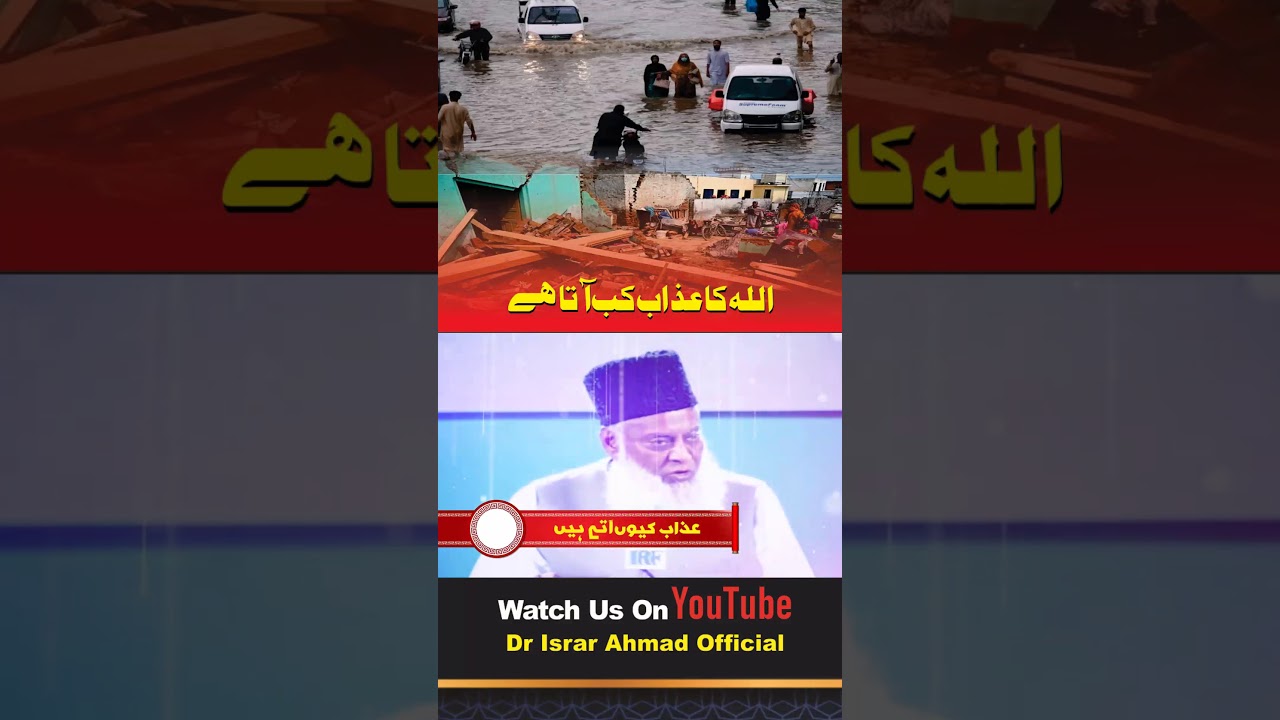
A nation possessing divine scripture and law, claiming to follow the messenger of God, becomes God’s representative on Earth. However, if its actions contradict this claim, it becomes worse than non-believers and invites divine punishment. The lecture emphasizes that merely professing faith is insufficient; practical adherence to divine principles is crucial for fulfilling the role of a representative nation and avoiding God’s wrath. This highlights the profound responsibility borne by a nation claiming religious affiliation.
245
This lecture discusses the two central acts of worship in Ramadan: fasting during the day and standing in prayer (Tahajjud) at night. Fasting is obligatory, while Tahajjud, although highly encouraged and rewarded, is not compulsory. The speaker explains that while the Prophet Muhammad (peace be upon him) observed Tahajjud as a regular practice akin to an obligation, it remains optional for the general Muslim population. Those who perform Tahajjud will receive a high status with Allah. The emphasis is on voluntary devotion and the blessings within Ramadan’s nights.
72
