Шорты

The lecture emphasizes that a lack of empathy and compassion leads to spiritual deprivation. True piety isn’t demonstrated through rituals alone, but through actively alleviating the suffering of others. One who witnesses another’s pain and possesses the means to help, yet fails to do so, forfeits blessings. Genuine faith demands shared sorrow and a commitment to easing the burdens of fellow humans. Mere observance of prayers and nocturnal worship are insufficient without accompanying heartfelt compassion and practical assistance.

62
This lecture emphasizes that the establishment of a caliphate can only be achieved by strictly following the path of Prophet Muhammad (peace be upon him). Deviation from his teachings and methods will lead to failure, as seen in past revolutionary movements. The speaker highlights the importance of piety, faith, and unwavering belief in the Prophet’s guidance. True success and divine assistance will come through adherence to his Sunnah, specifically referencing verse 28 of Surah Al-Hadid, which emphasizes the importance of *taqwa* (piety) and faith in the messenger. The speaker asserts that following the Prophet’s life – his *sira* – is the only viable path to achieving the goal of establishing a righteous caliphate.
81

This lecture clarifies that sustenance, despite all effort—farming, labor, protection of harvest, and processing—is fundamentally a blessing from Allah. It emphasizes that while humans exert effort, the actual provision is divine grace, differing from merit-based reward. True reward (qasab) applies to actions judged by morality; good or evil. Sustenance, however, is a gift given without expectation of deserving it, highlighting its status as a divine blessing.
58
The lecture details the immense hardship faced by the Prophet Muhammad (peace be upon him) during the Year of Taif, considered the greatest personal trial. It then discusses the Battle of Uhud as the greatest collective trial for the companions. Following these trials, enhanced protection was granted to the Prophet. The year also marked the beginning of conversions to Islam, with six accepting faith during Hajj, twelve the following year, and seventy-two thereafter. This led to the Pledge of Aqabah and the opening of the path for migration, ultimately leading to triumph and success.
54

This lecture clarifies that the ultimate abode, the Hereafter, is reserved for those who abstain from seeking power, dominance, or creating corruption in the world. It emphasizes that this eternal reward is specifically for the righteous – those who prioritize piety and refrain from worldly ambitions. The final outcome and ultimate success are assuredly for the God-conscious, and Allah has exclusively designated its blessings, joys, and comforts for His devout servants.
52
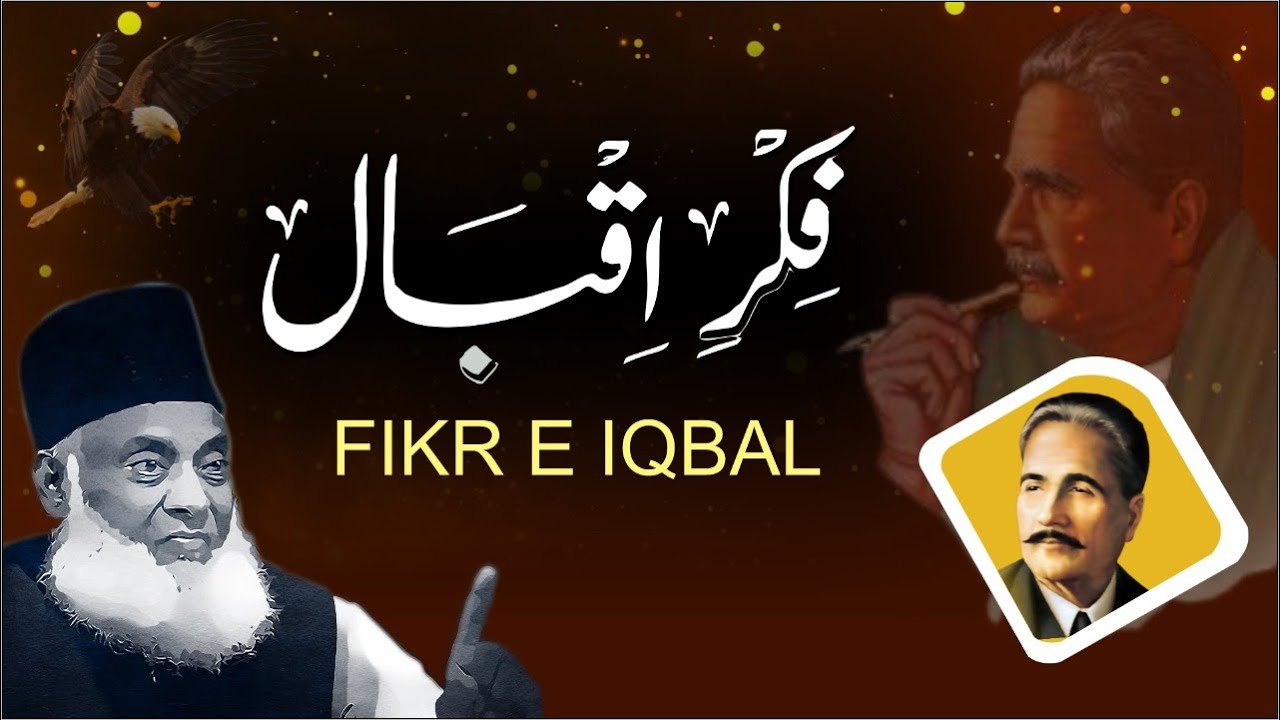
Iqbal critically analyzed modern ideologies, identifying inherent dangers within them. He particularly opposed nationalism (wataniyat) as a political concept, viewing it as a new form of idolatry that overshadows faith. He contrasted the spiritual unity of Islam with the divisive nature of national identities. Iqbal saw secularism and nationalism as major threats—forms of shirk (polytheism) and kufr (disbelief)—and materialism as the defining characteristic of contemporary civilization. He argued that true strength lies in adhering to the principles of Tawhid (Oneness of God) and embracing Islam as a complete way of life.
70
