מִכְנָסַיִים קְצָרִים
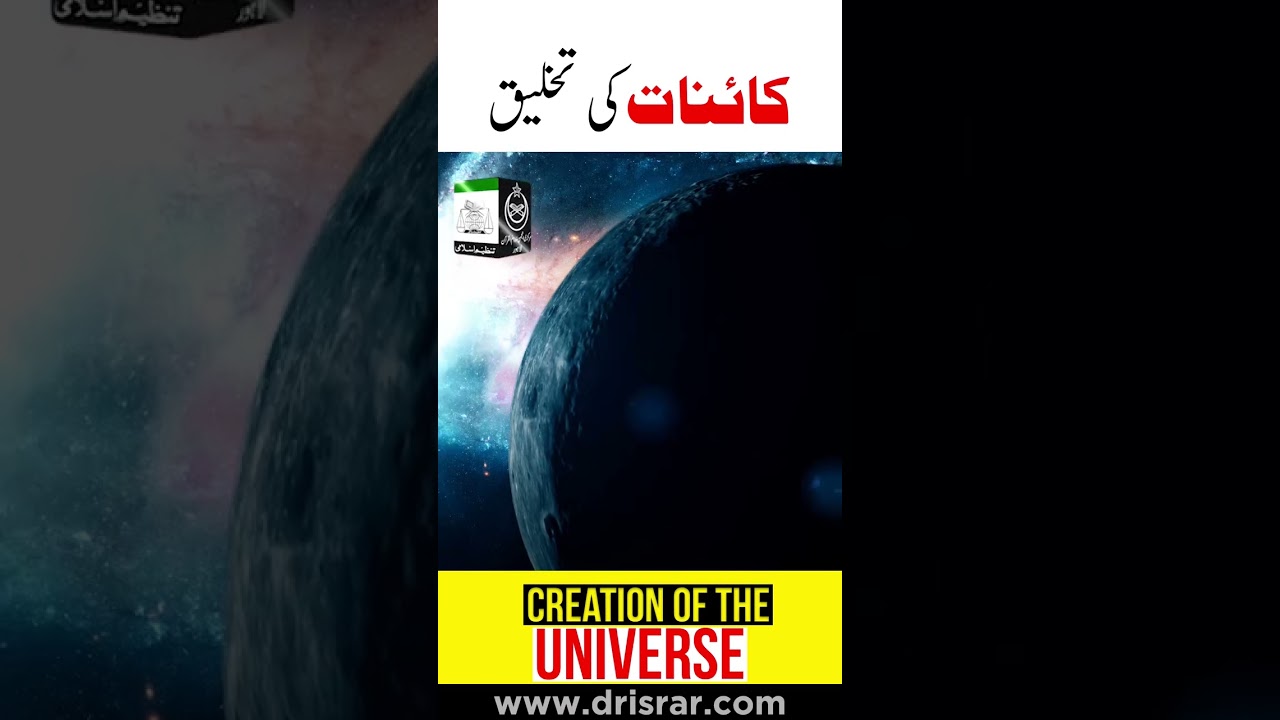
Historically, the prevailing scientific understanding, rooted in Newtonian physics, posited an eternal and indestructible universe. However, modern physics has established that the universe had a definite beginning, known as the Big Bang. This event, occurring billions of years ago, marked the creation of the universe from an extremely dense and hot state. This represents a fundamental shift in cosmological understanding.

68
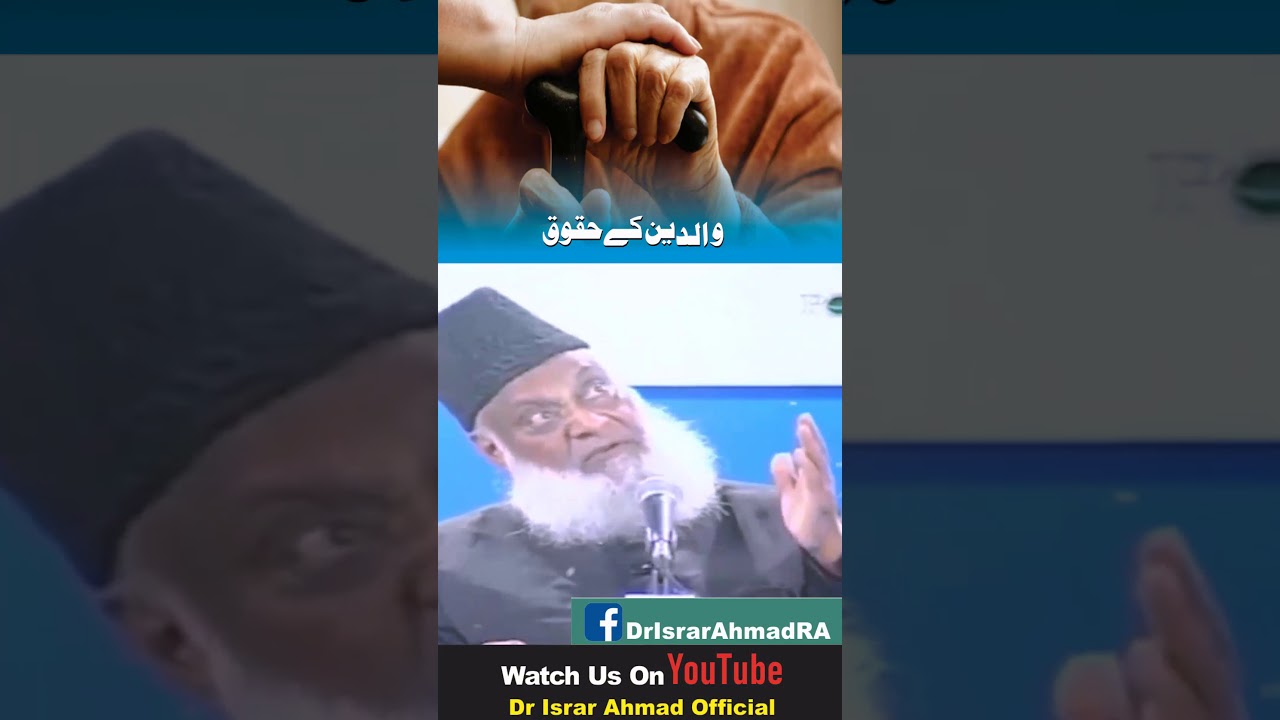
The greatest act of gratitude is towards one’s parents, a concept emphasized five times in the Quran. Simply *looking* at the Kaaba with reverence is considered an act of worship. Similarly, looking at one’s parents with love and respect is also an act of worship. This act of reverence, even without verbal interaction, holds significant spiritual reward. The Quran highlights the immense importance of honoring and showing affection to parents.
81
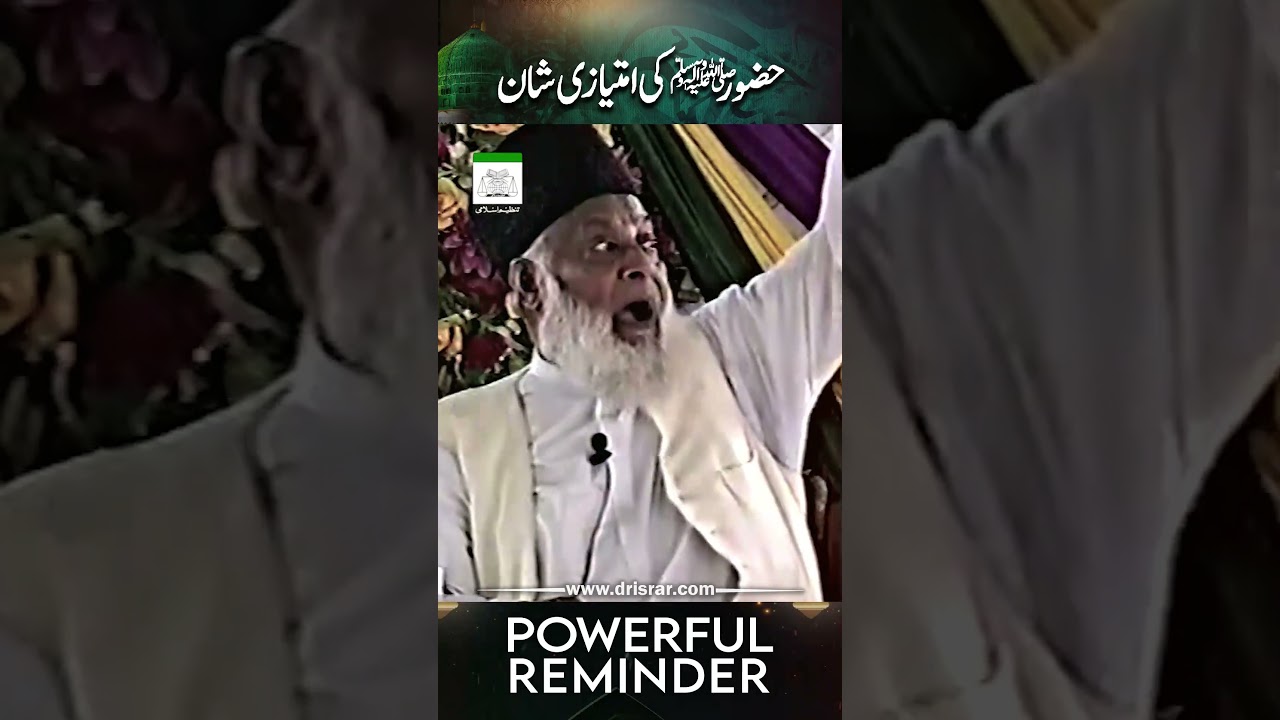
The Prophet Muhammad (peace be upon him) is the final messenger of God, sent as a blessing to all of humanity. Unlike previous prophets who were sent to specific nations, his message is universal. He was sent not merely as a source of mercy for one people, but as a source of mercy for the entire world. He was sent as both a bearer of glad tidings and a warner for all humankind. This lecture details this universal aspect of the Prophet's mission, differentiating it from the missions of previous prophets.
69

This lecture details the life of Abu Bakr Siddique, focusing on his successful business prior to embracing Islam. It highlights how his dedication shifted from commerce to the propagation of the faith after accepting Islam. The lecture emphasizes Abu Bakr’s pivotal role in early Islamic outreach, specifically detailing how his efforts led six individuals from the 'Ashra Mubashara' (ten blessed companions) to accept Islam and join the Prophet's cause. The discussion underscores the transformation from worldly pursuits to devotion to religious work, and the sacrifices made for the sake of Islam.
47
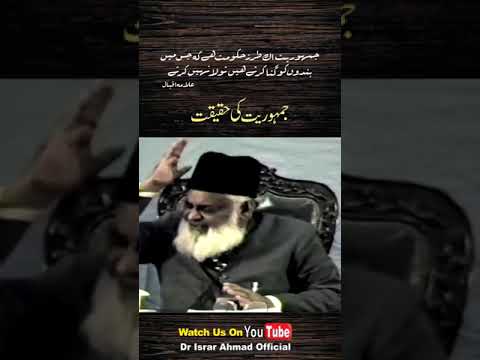
This lecture analyzes the concept of democracy, arguing it often serves as a facade for capitalist control. It critiques the Western democratic model, particularly the American system, asserting it prioritizes wealth and allows only the affluent to participate meaningfully in elections. The speaker contends true democracy requires economic justice, empowering the common citizen before allowing them to vote. The current system, he claims, is a game played by capitalists, leaving the average person disenfranchised and manipulated.
68
Dr. Israr Ahmad discusses the principles of Islamic commerce, emphasizing that Islam doesn't fix profit levels but discourages excessive profiteering. He explains that pricing is naturally regulated by market forces of supply and demand. When supply exceeds demand, prices fall. Conversely, when demand exceeds supply, prices rise. Imposing legal restrictions on pricing would lead to black market activity. He advocates allowing these natural market forces to operate freely.
65
