Korte broek

The Quran states that this world will flourish through the blessing of *tawheed* (oneness of God). The purpose of Muhammad’s (peace be upon him) prophethood was to serve as a bearer of glad tidings and a warning to all of humanity. The completion of the illumination of *tawheed* and the fulfillment of its purpose remain ongoing tasks. This lecture emphasizes the enduring relevance of this message and the continuing need to strive for its realization.

199

This excerpt details the catastrophic events preceding and occurring on the Day of Judgement. It describes the dimming of vision, the extinguishing of the moon, the merging of the sun and moon, and the resulting panic and desperation of humanity. People will search for any refuge, but find none. The verse emphasizes ultimate accountability before God, where every deed—past and future—will be revealed. It highlights that on that day, humanity will be made to realize the consequences of their actions and be held accountable for everything they have done.
80
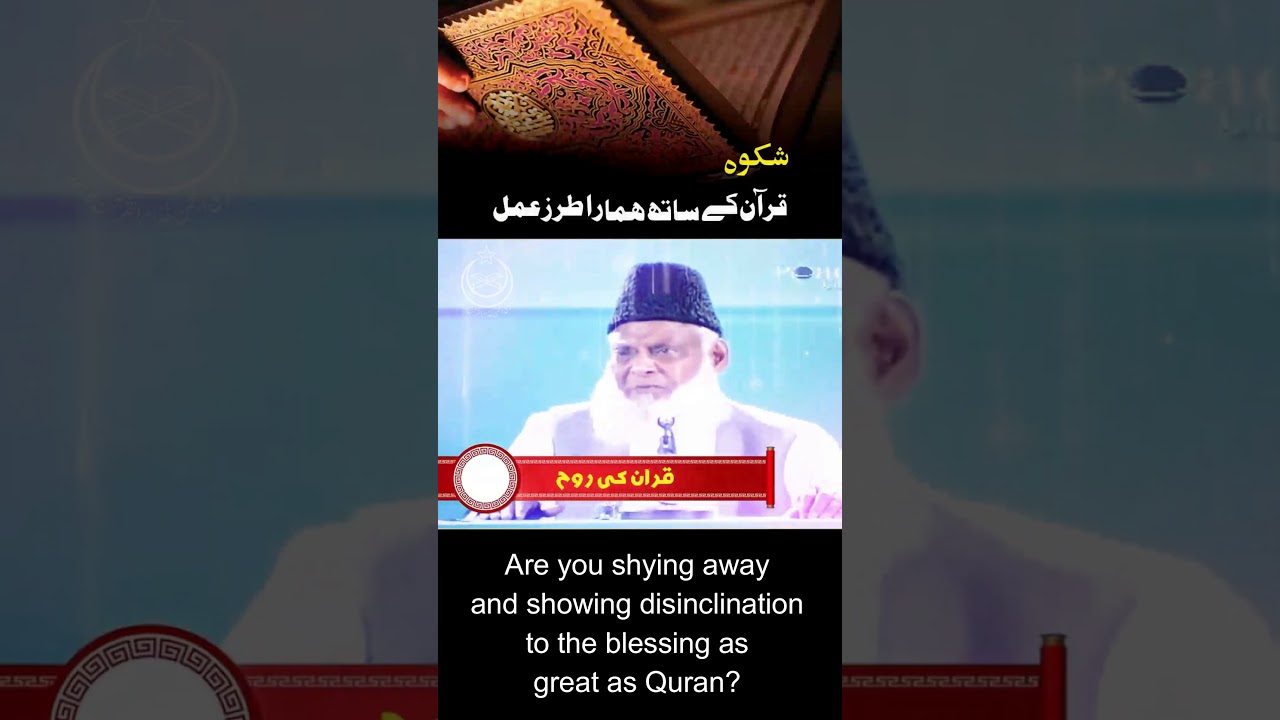
This lecture emphasizes that genuine access to the essence of the Quran is only possible through self-purification. The speaker highlights a lament about humanity’s disregard for this immense blessing – neglecting to read, understand, implement, or make the Quran a guiding principle in life. Instead, many actively reject it, shaping their own unfortunate destiny through denial. The core message is a call to prioritize internal purification to unlock the true meaning and benefits of divine revelation.
114
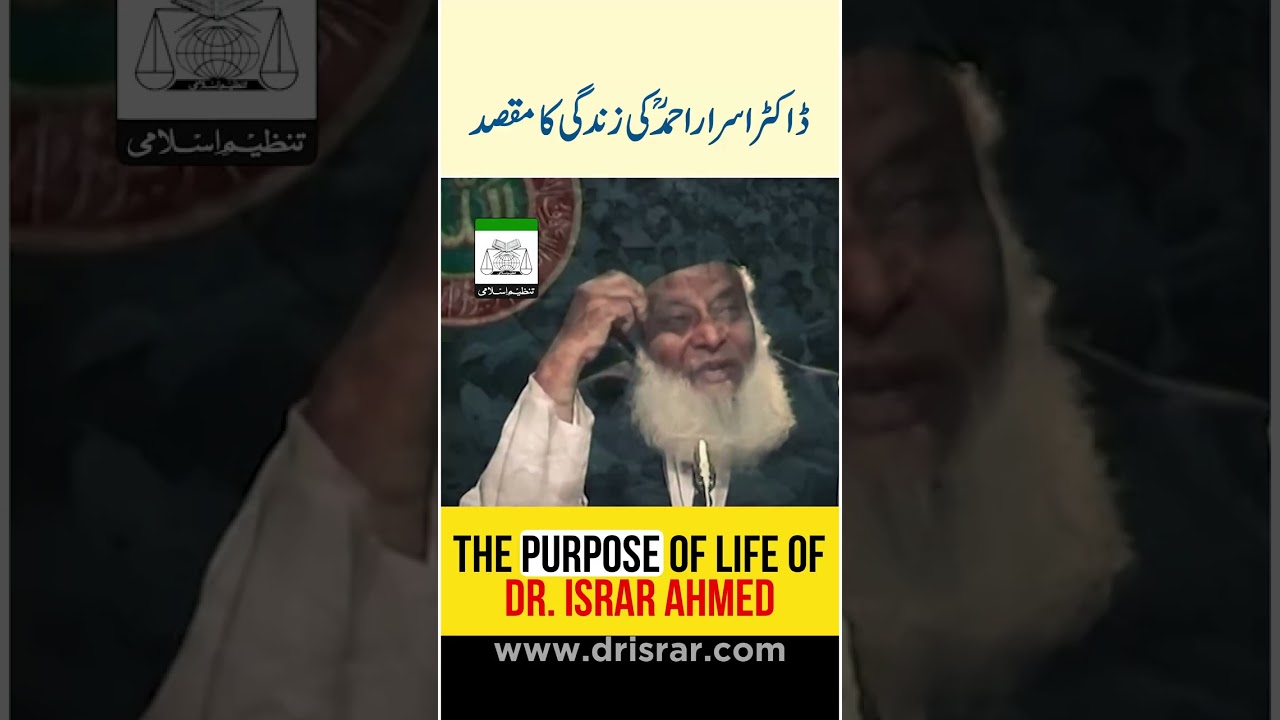
This lecture explores the speaker’s reflections on his life’s purpose and original objectives. He emphasizes a shift from viewing faith as merely a tool to embracing it as the ultimate goal. The speaker laments the fragmentation of the Muslim community and expresses a desire to rebuild unity, guiding people towards the destination set by God and the Prophet Muhammad. He highlights a longing to restore a cohesive community focused on divine guidance and shared purpose.
41

This lecture addresses the issue of institutionalized begging and contrasts it with genuine charitable giving rooted in Islamic teachings. It argues that simply giving small amounts of money to beggars perpetuates the problem instead of empowering them. The speaker emphasizes the importance of supporting institutions that rehabilitate and enable individuals to become self-sufficient. Giving to those in need is obligatory, but it should be done in a way that preserves their dignity and fosters independence. The lecture cautions against dismissing or humiliating those who ask for help, suggesting that even those who appear well-off may have legitimate needs. The core message is that true charity involves empowering individuals to stand on their own feet, not simply providing temporary relief.
54

This excerpt emphasizes the Quran as both guidance and mercy specifically for those who believe. It reiterates that divine favor and mercy are the ultimate blessings, surpassing worldly possessions. The verses from Surah Yunus (10) highlight that true joy lies in recognizing and accepting these gifts from God. The Quranic message is not merely instruction but a source of compassion and solace for the faithful.
89
